How to Get the Most from Printable Coloring Pages
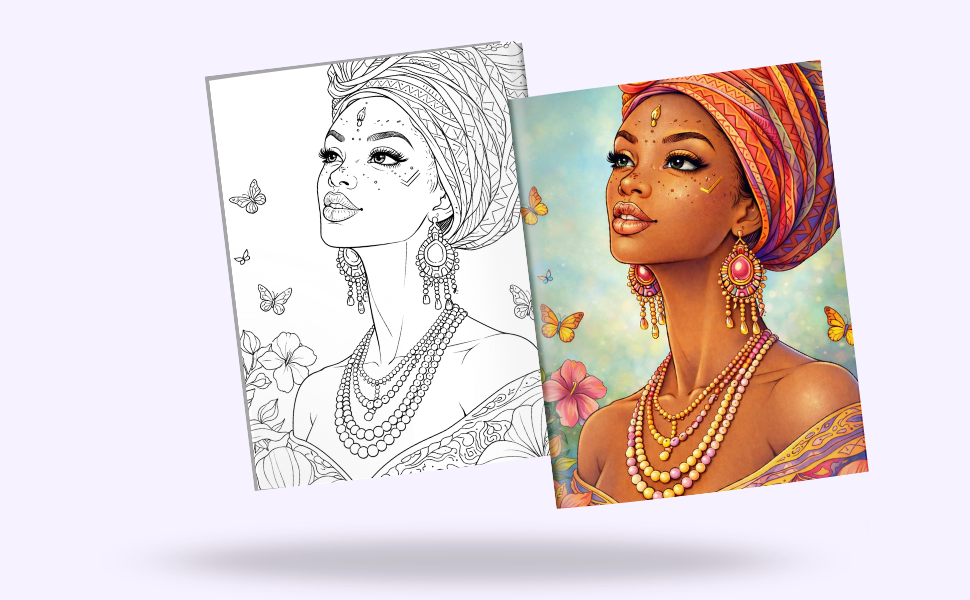
The printable format gives you something physical coloring books can't: unlimited reprints. You can experiment with the same design using completely different color palettes — try a warm jewel-tone version and a cool pastel version of the same page and compare them side by side. This freedom to experiment without fear of wasting the original page changes how you approach coloring. You can be bold, try unexpected combinations, and learn faster as a colorist.
For best print results, set your printer to 'Best' or 'High Quality' mode and ensure your paper setting matches what you're actually printing on. If you're printing on cardstock, select the cardstock or heavy paper setting to ensure proper ink saturation. Preview the page before printing to check alignment — these pages are formatted for standard 8.5x11 with appropriate margins already built in.
Why Printable Is Better Than Physical Books for Most People
Physical coloring books are beautiful, but they have real limitations: when a page is done, it's done. You can't recolor it, you can't experiment with a different approach, and you can't share the design with a friend who would love it. Printable coloring pages solve all of these problems. For $2.99 you get unlimited access to all 33 designs — a fraction of the cost of a physical book that you can only use once.
The flexibility of digital PDFs also means you can scale pages. Want a larger print for easier coloring? Scale to 110% and print on legal-size paper. Want a smaller version for a coloring journal? Print two per page at 50%. The digital format adapts to however you want to use it, in a way that physical books simply can't.
The African American Printable Coloring Pages in This Collection
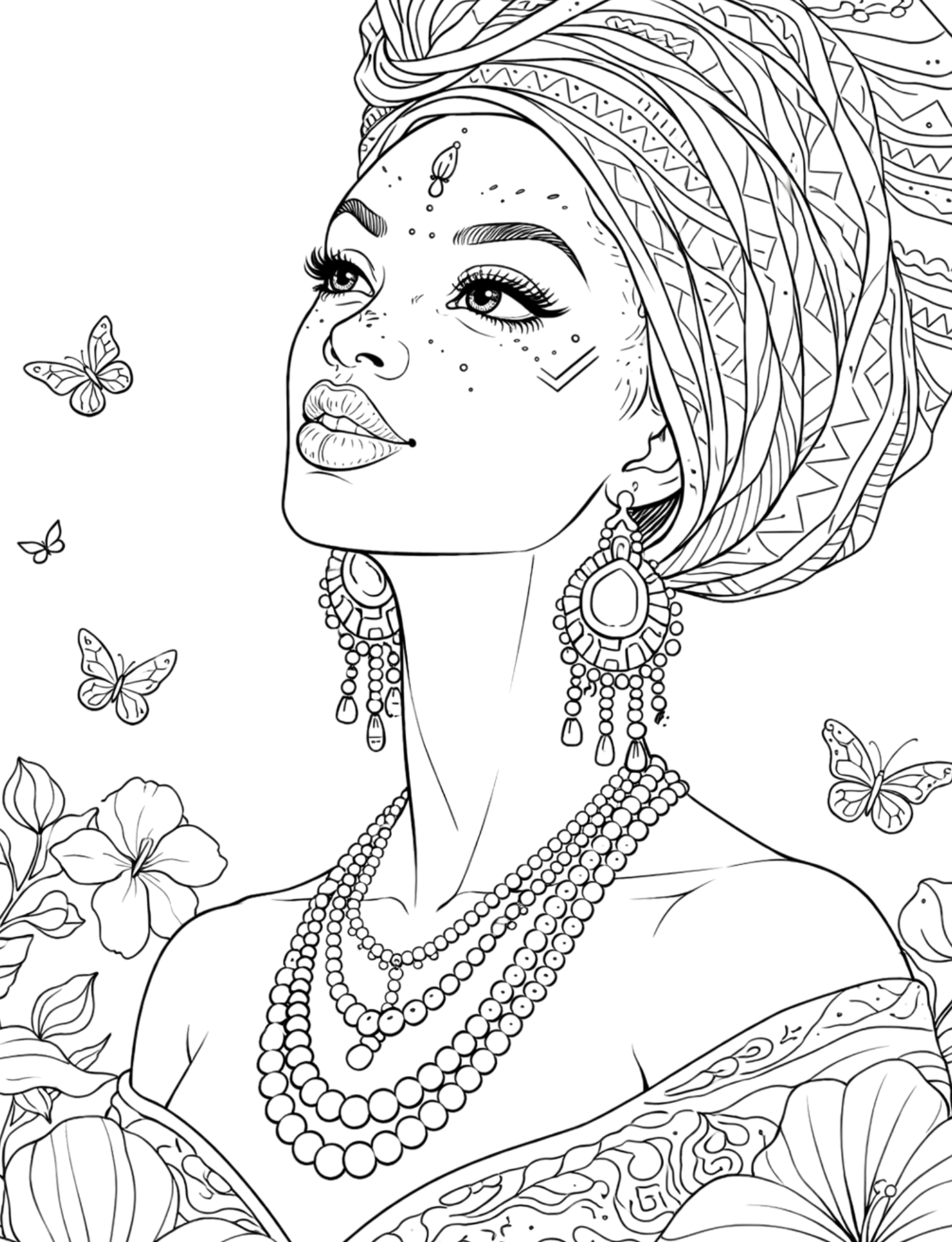
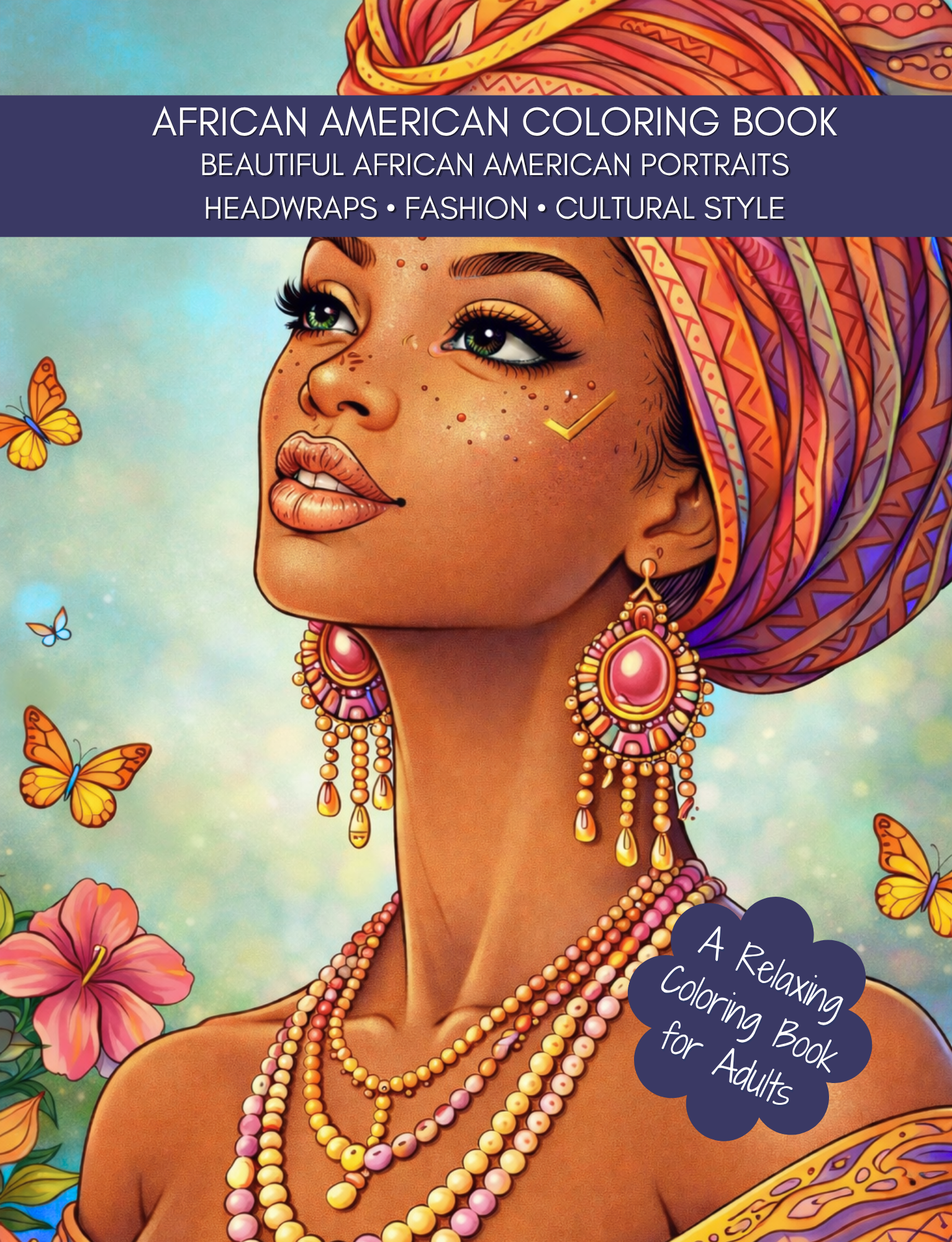
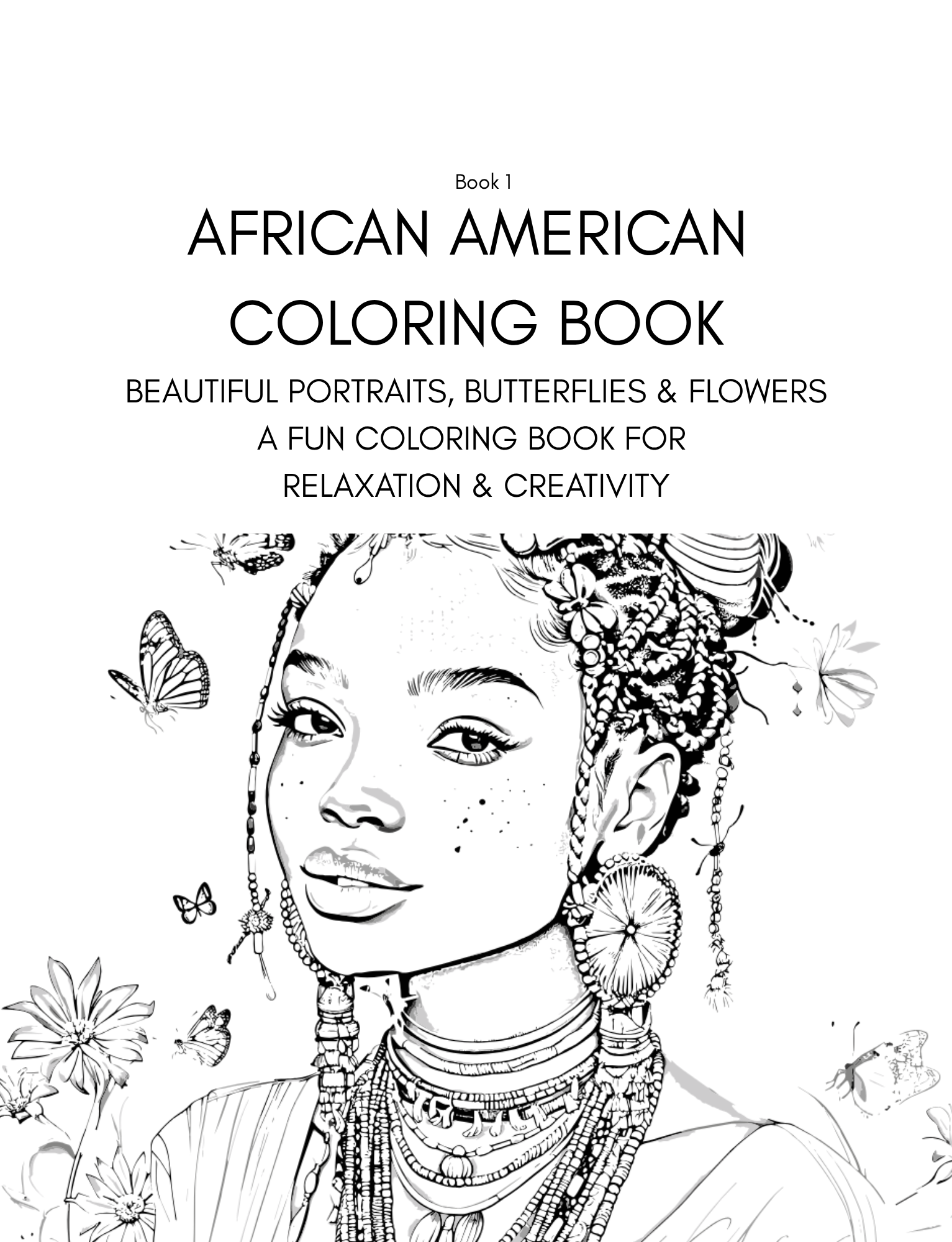
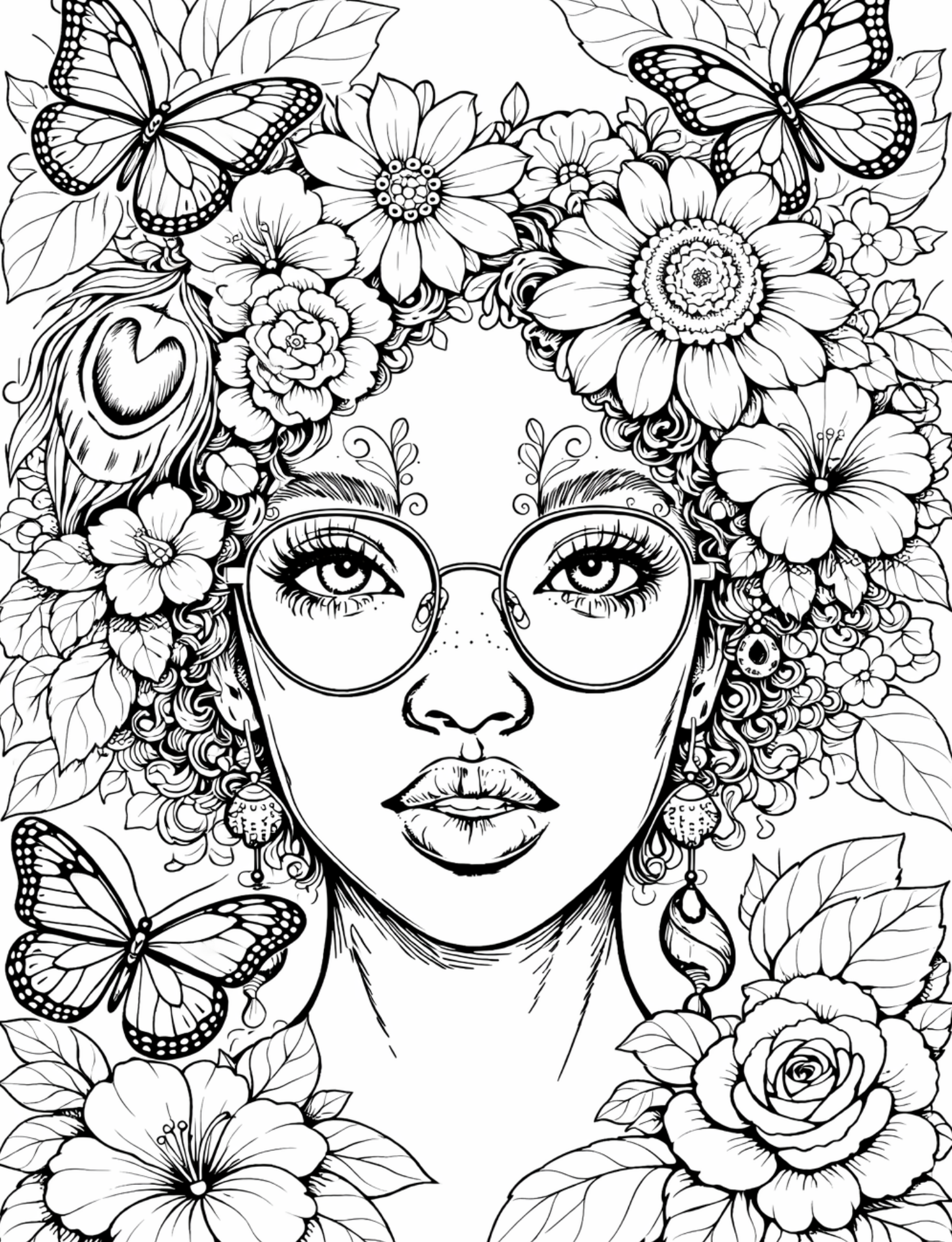
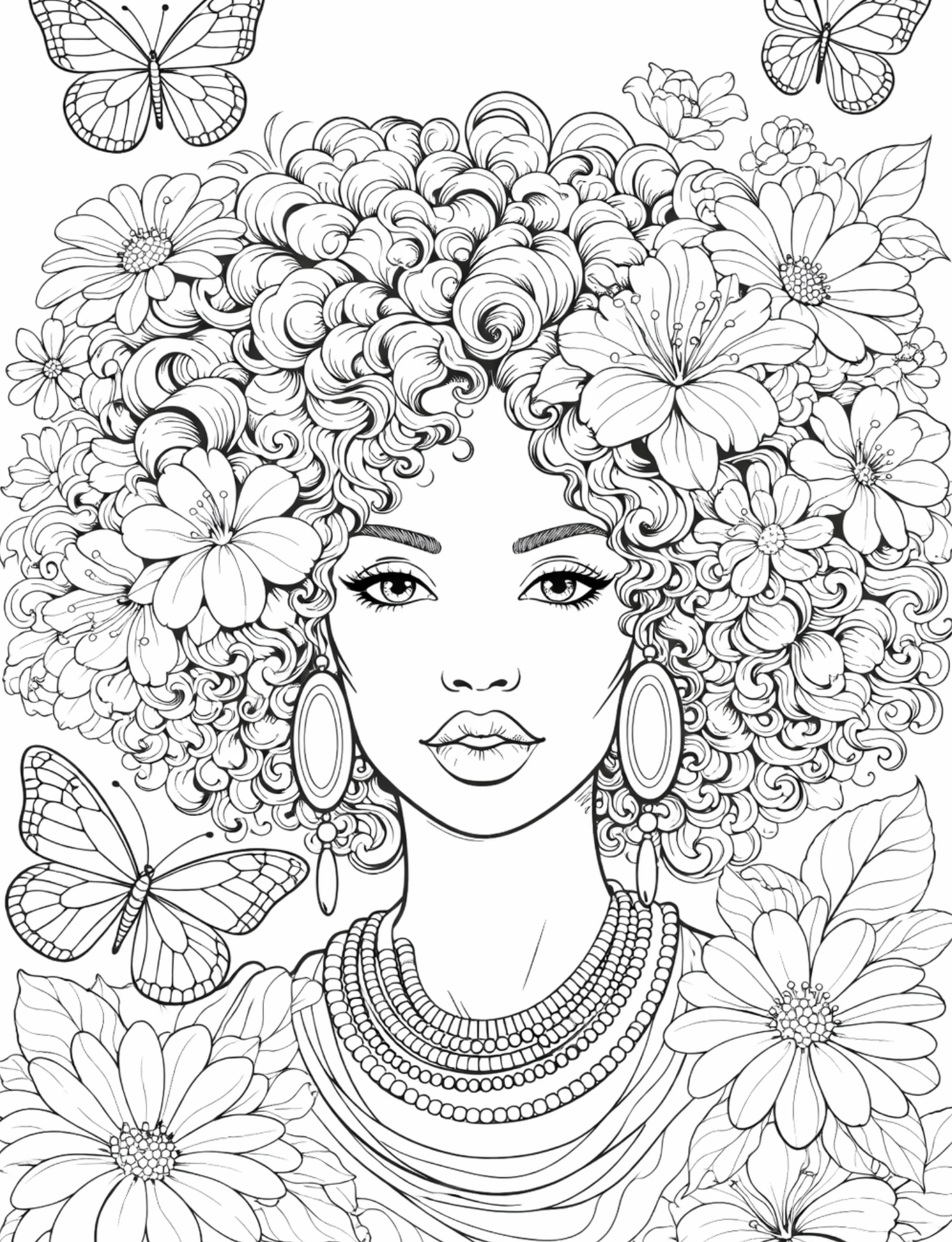
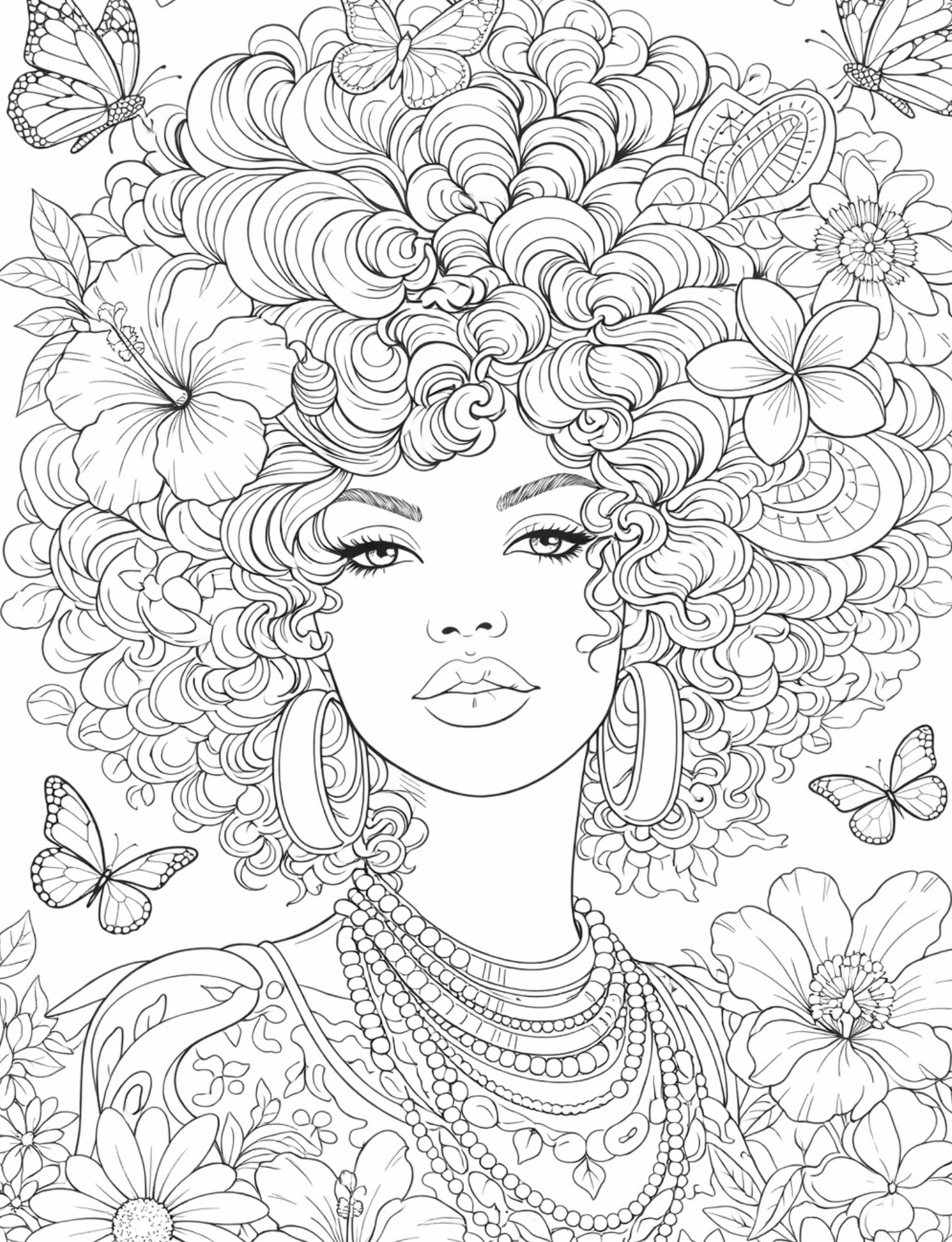
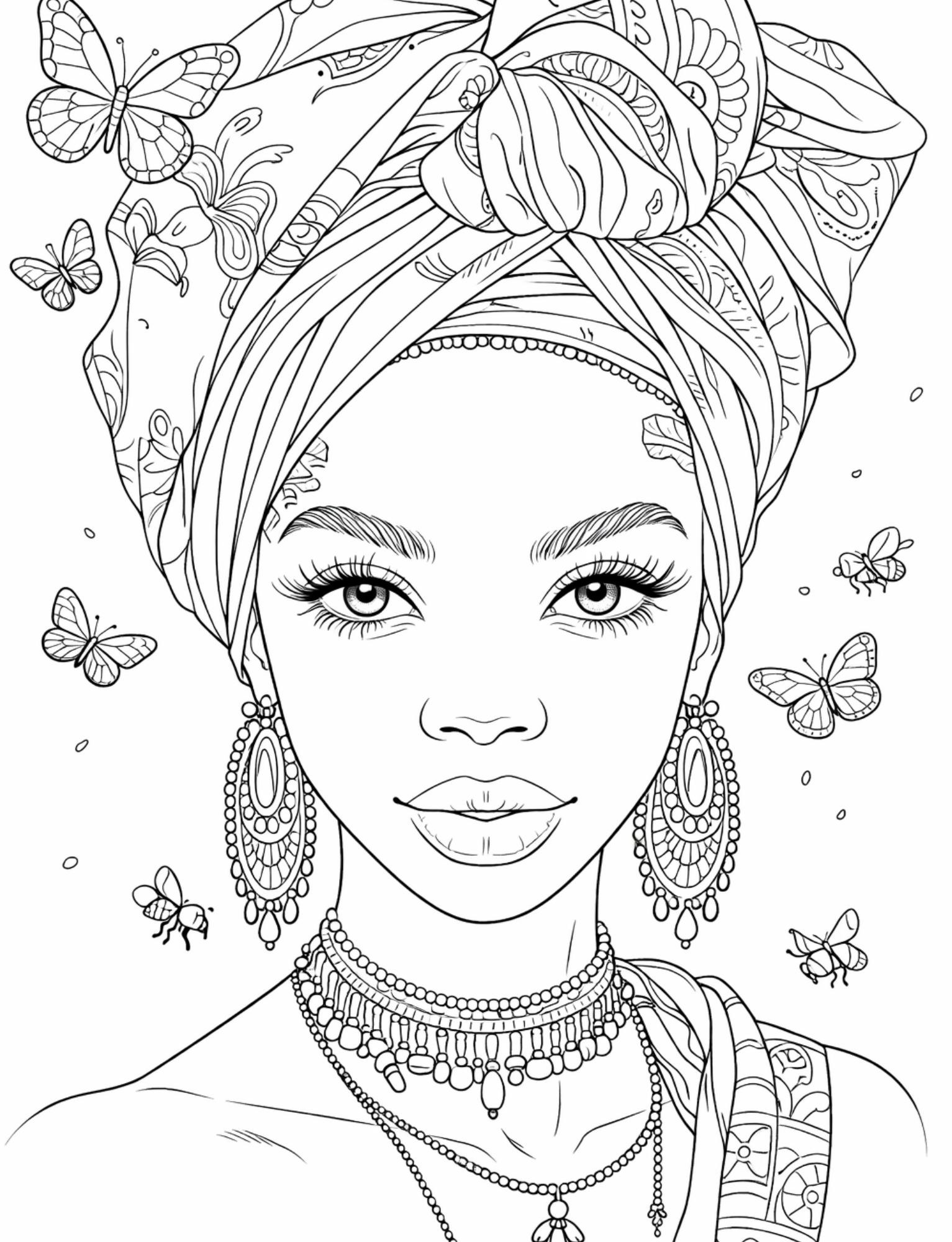
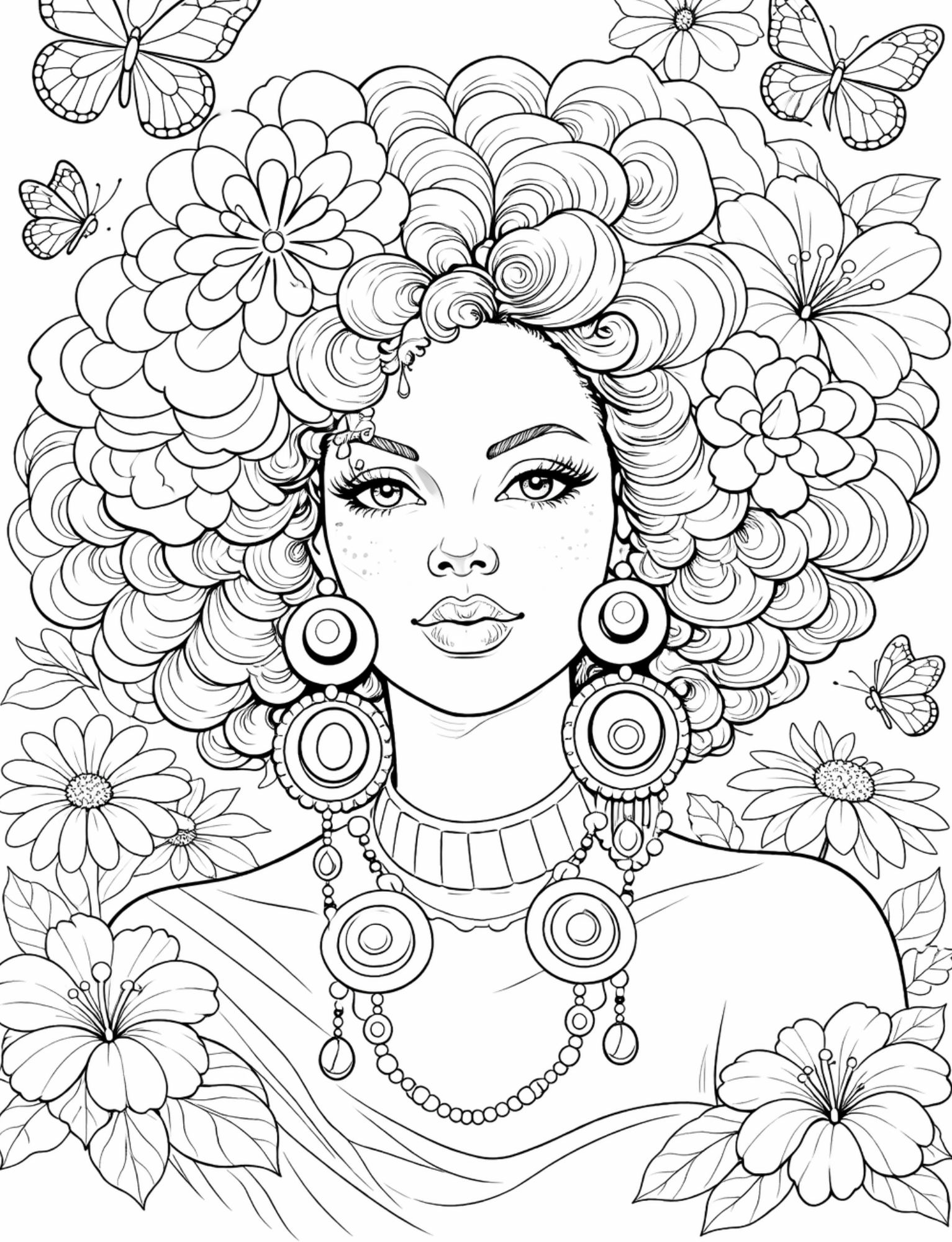
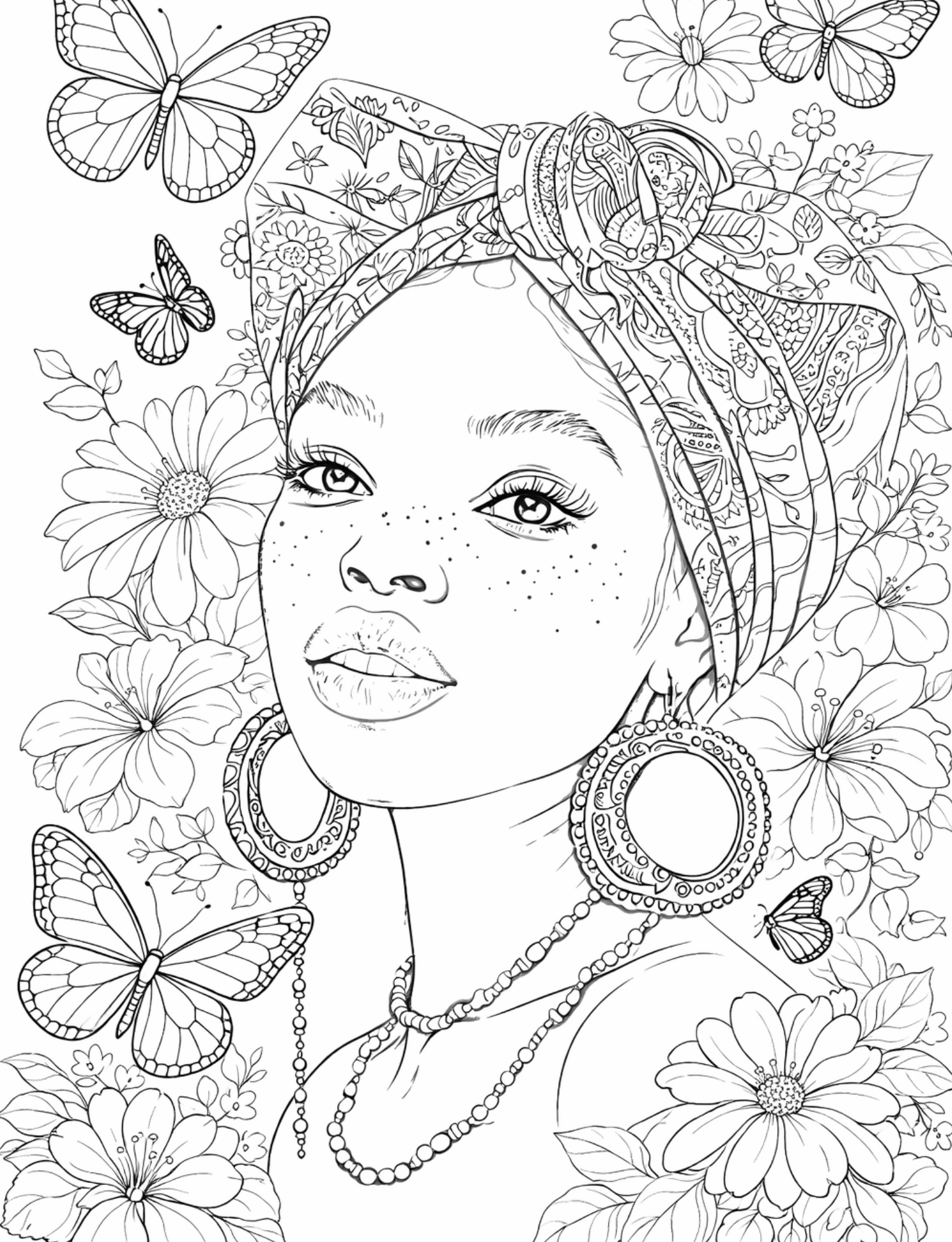
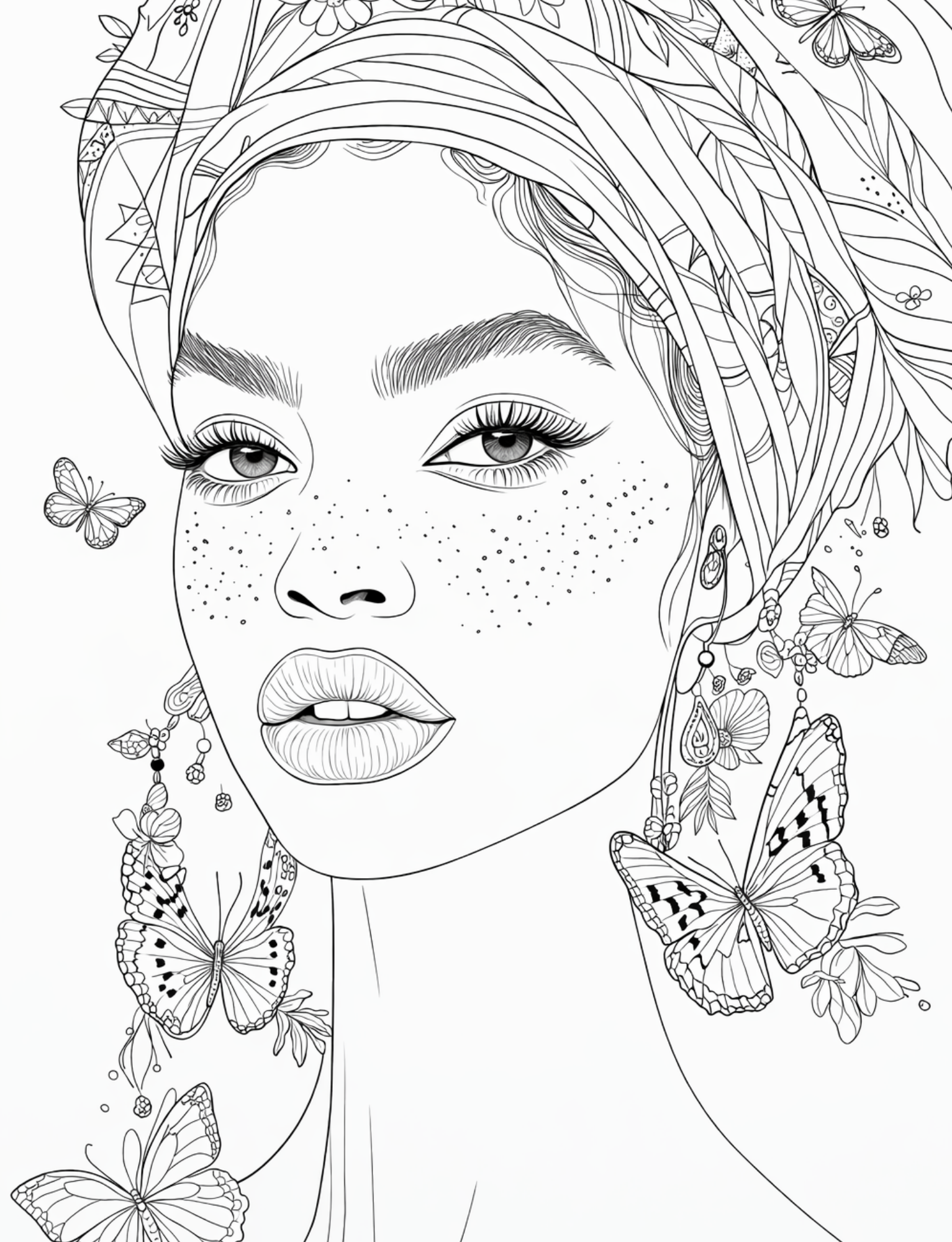
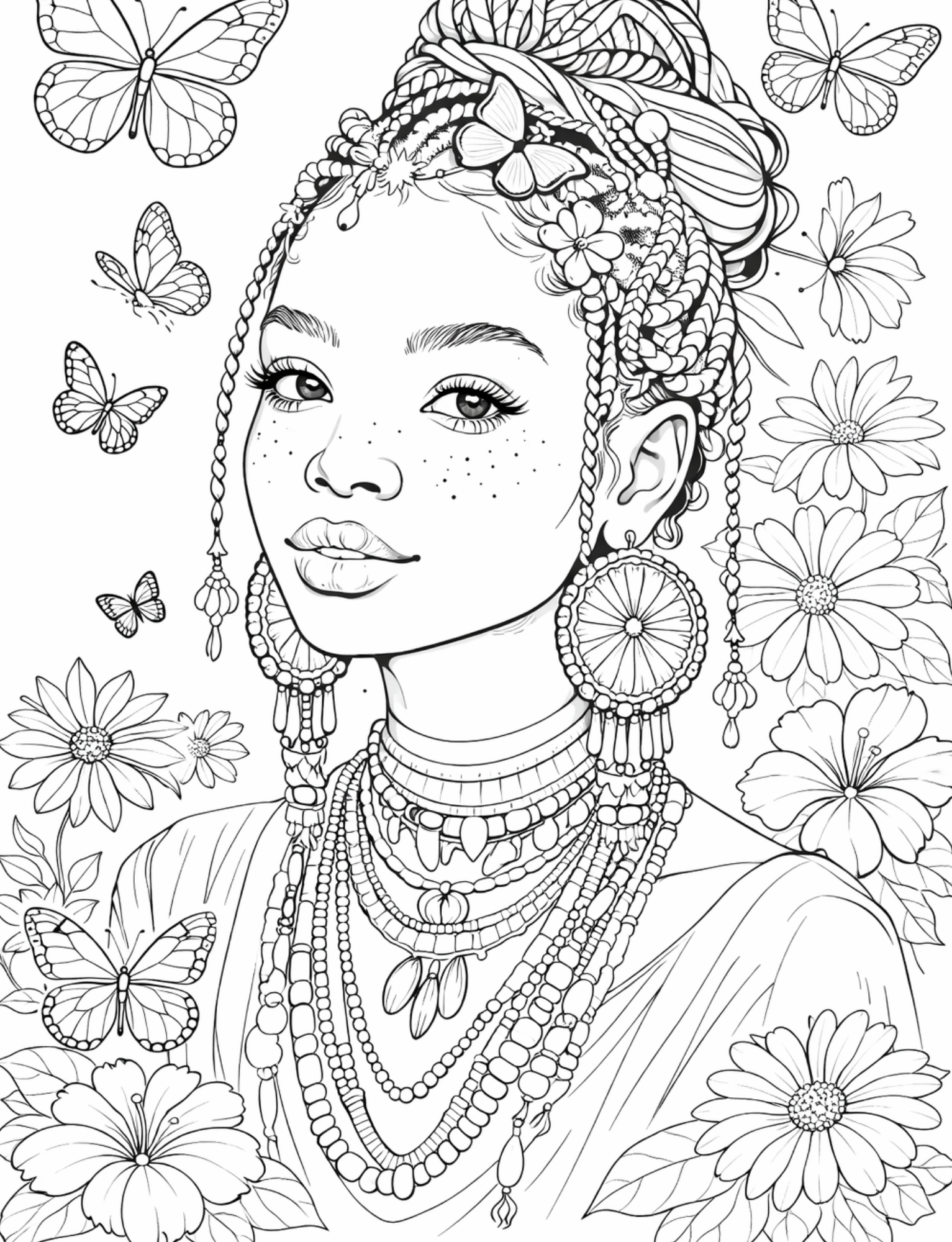
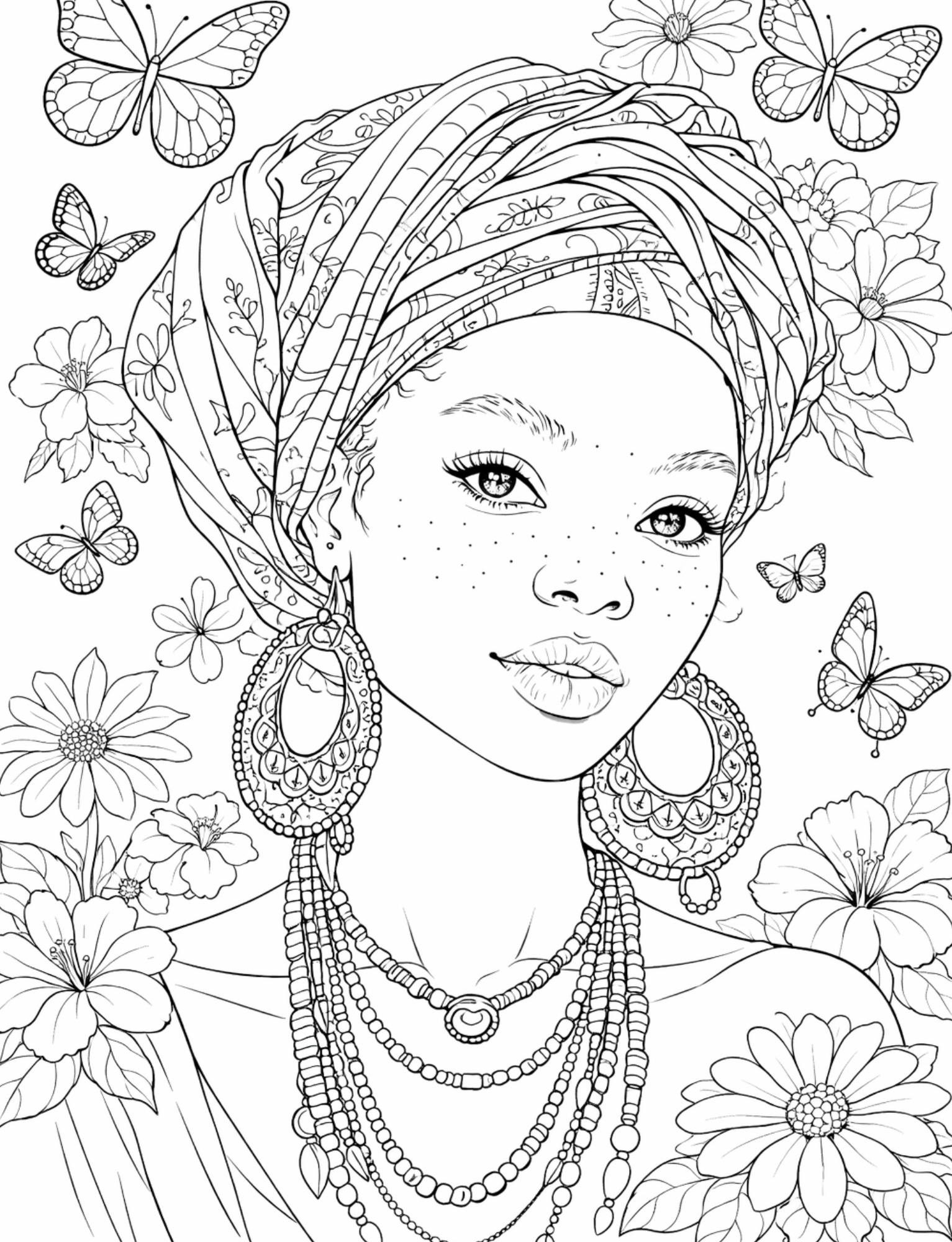
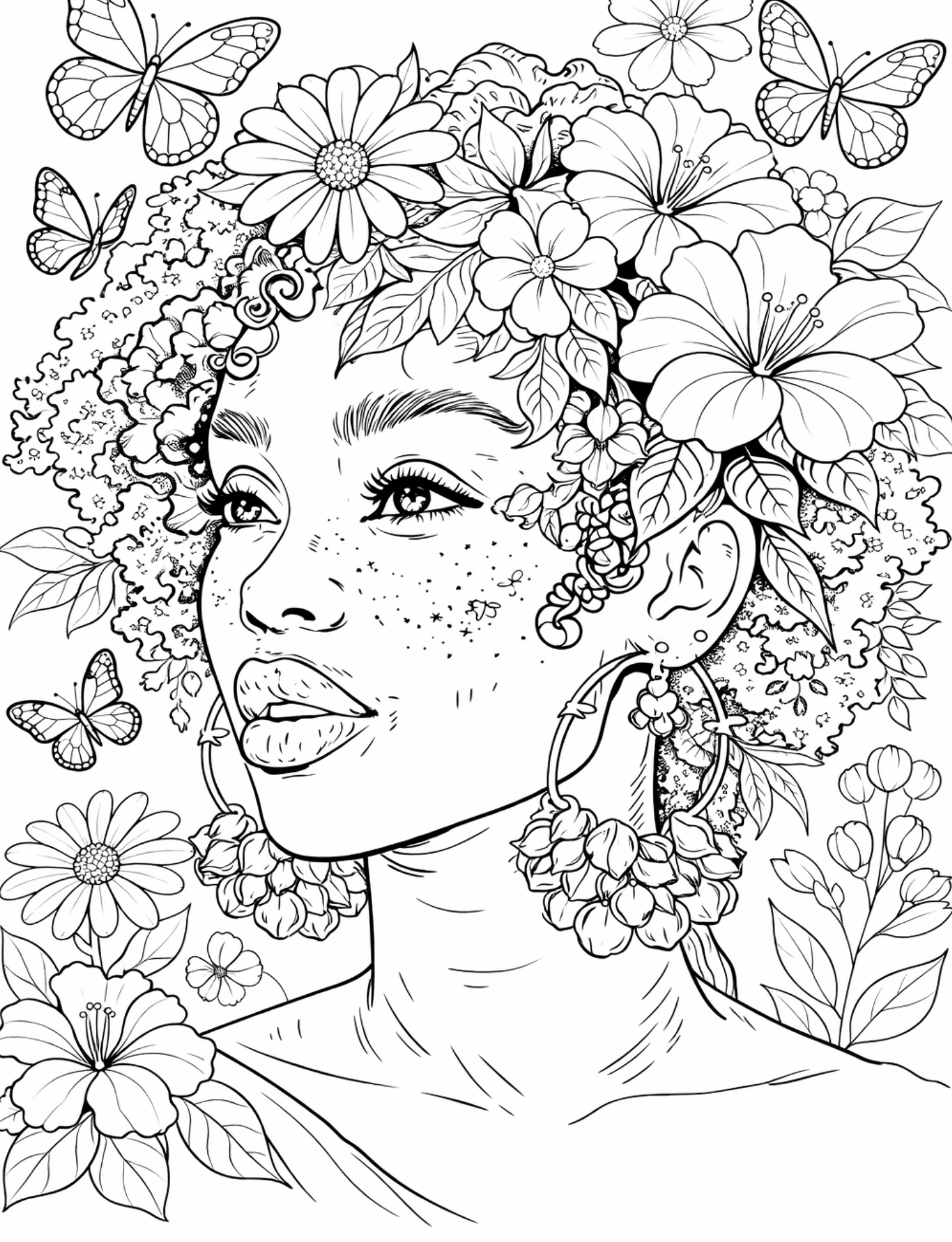
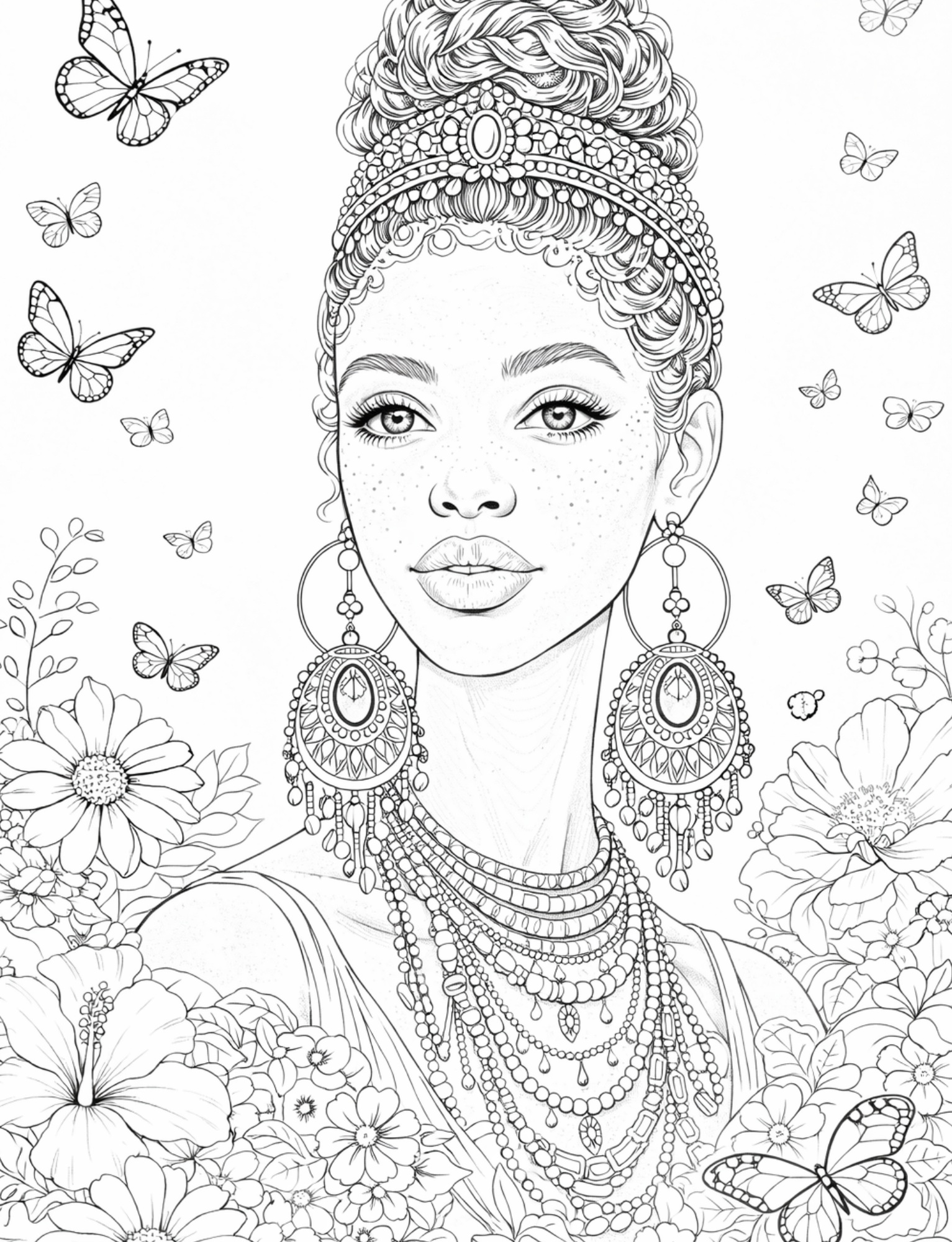
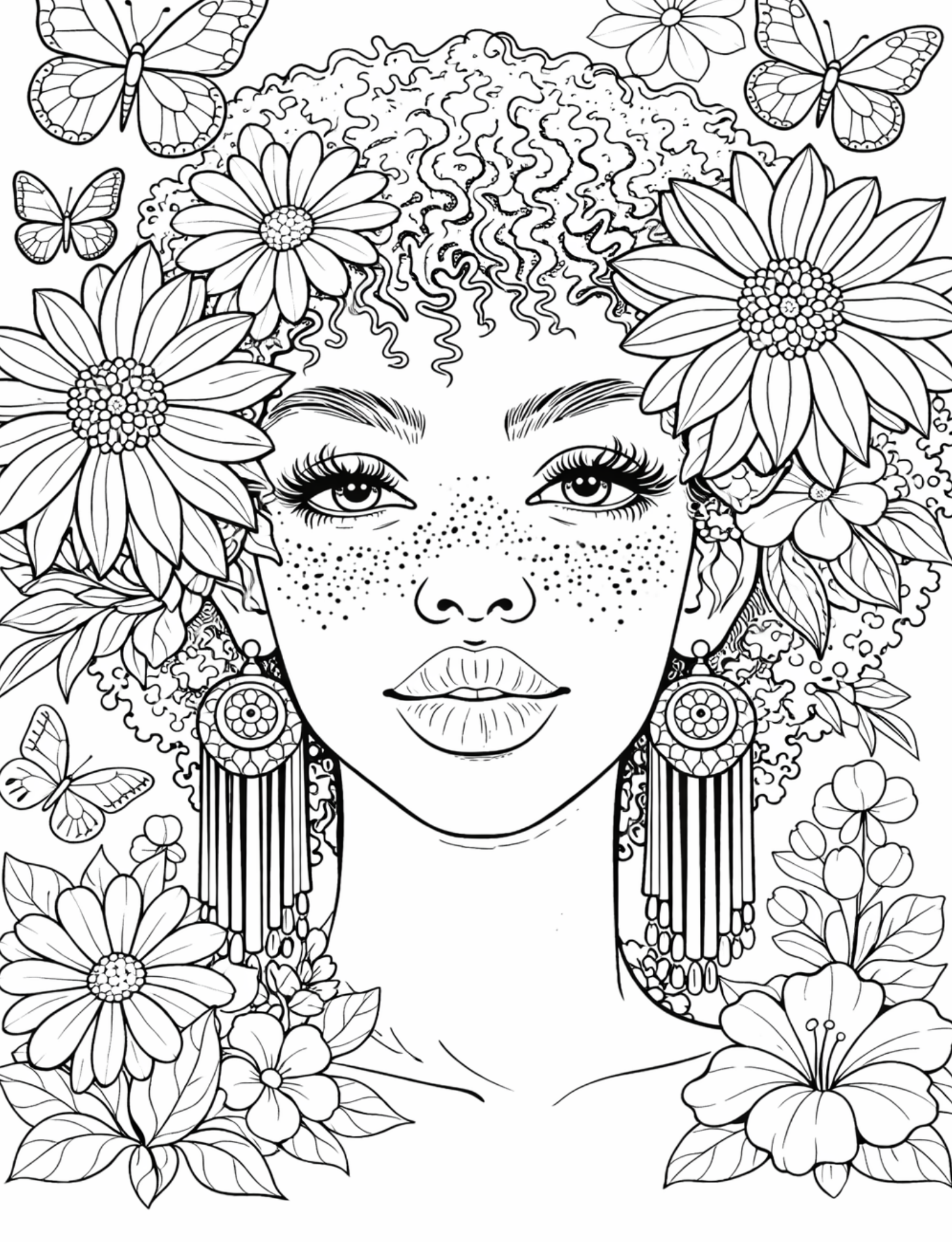
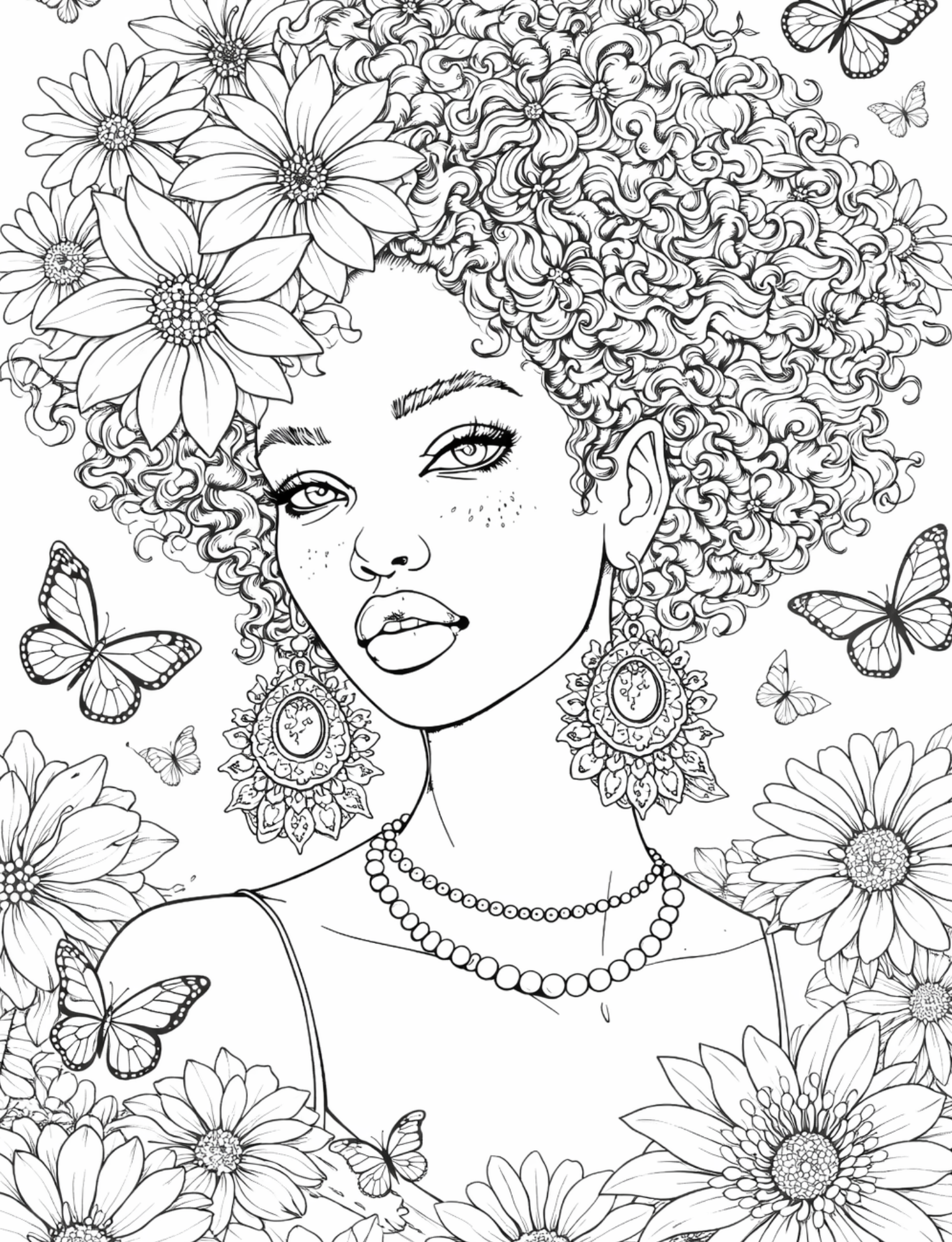
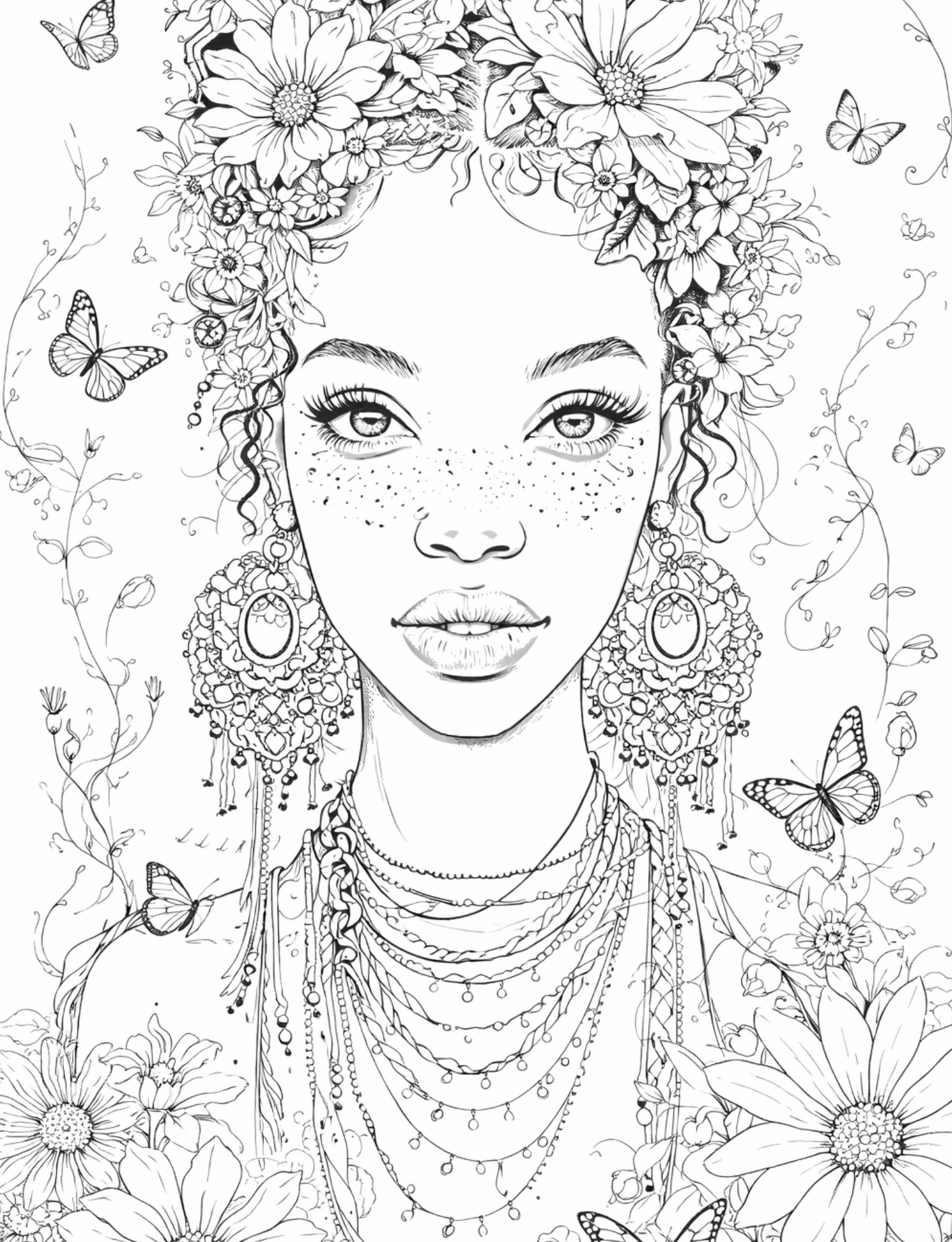
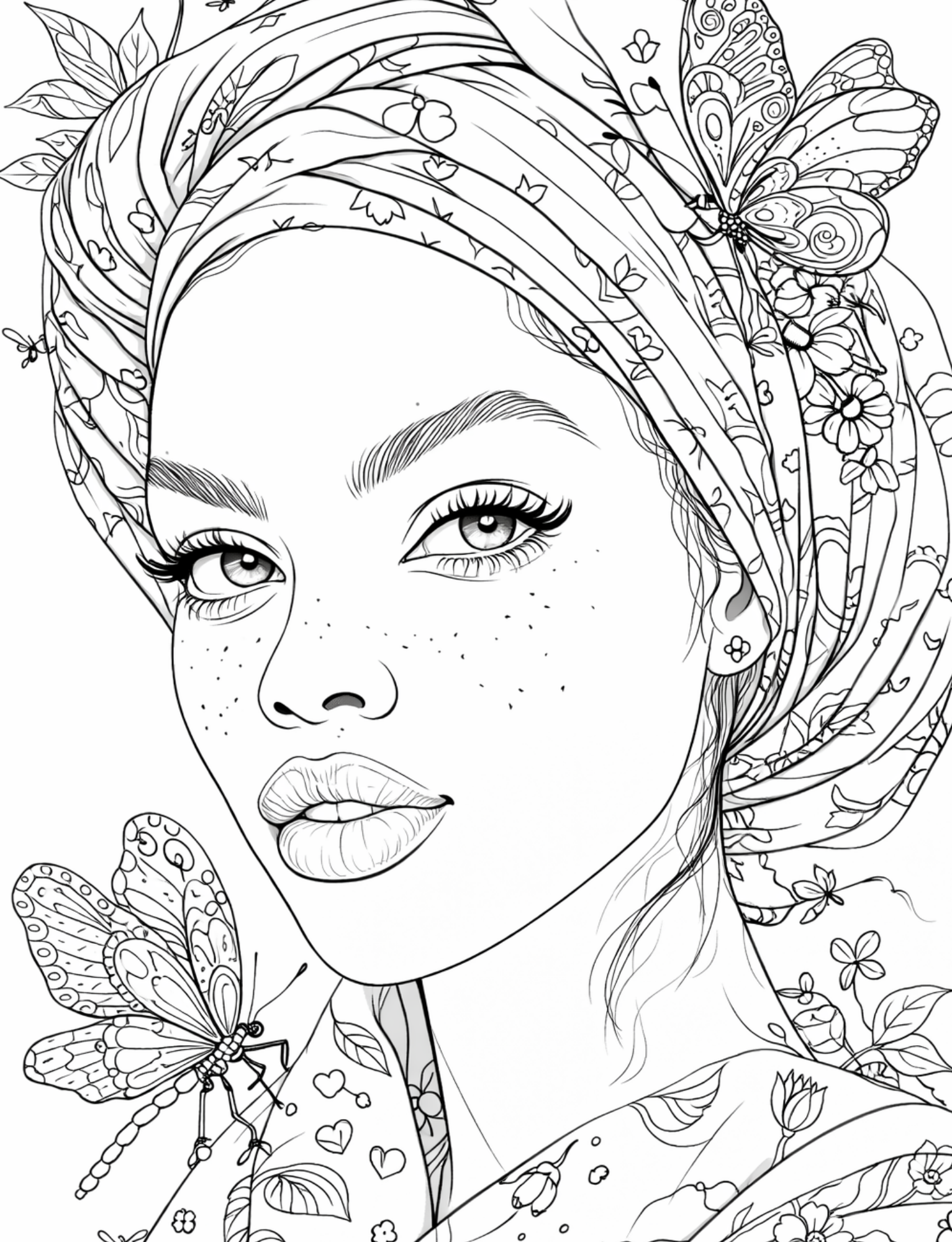
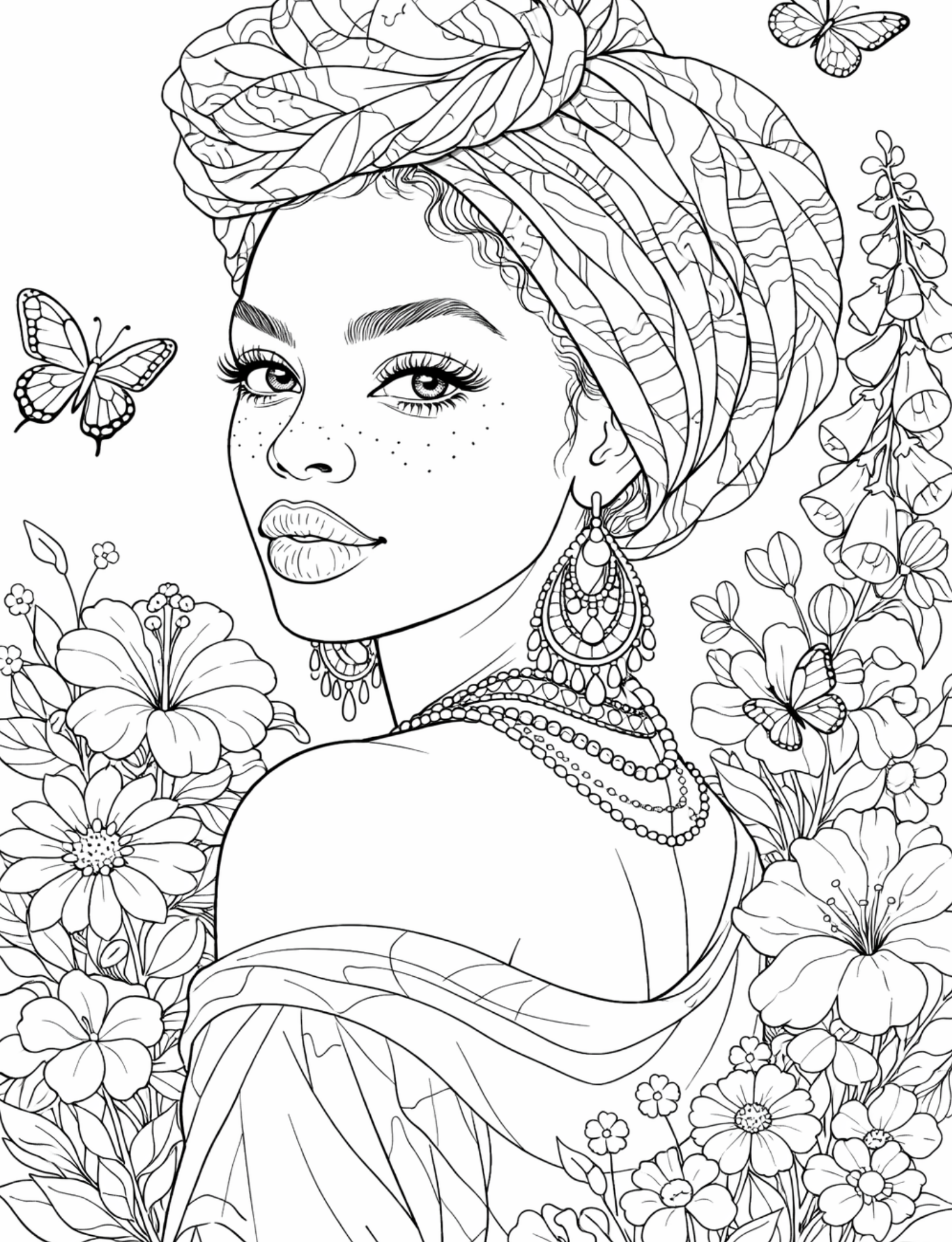
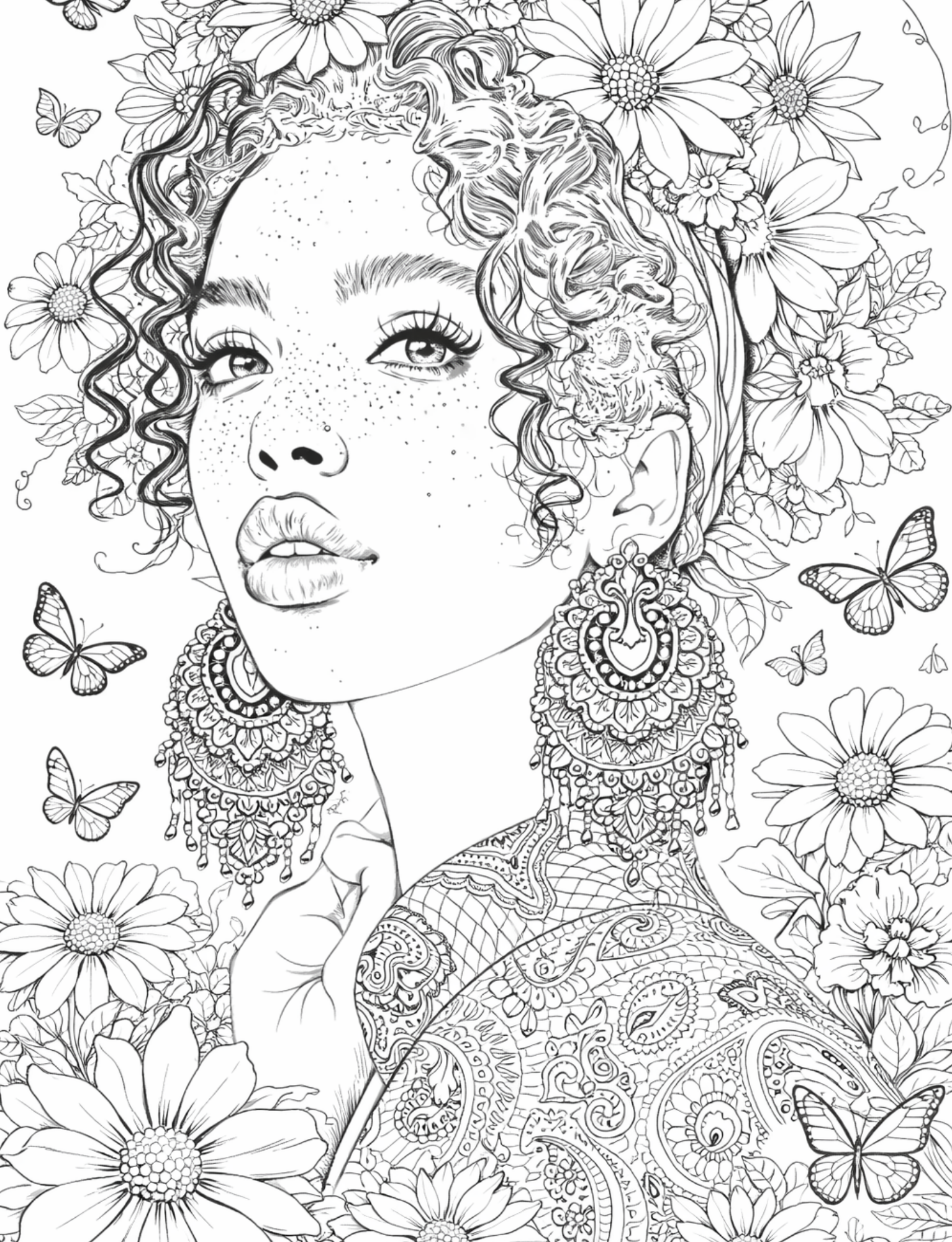
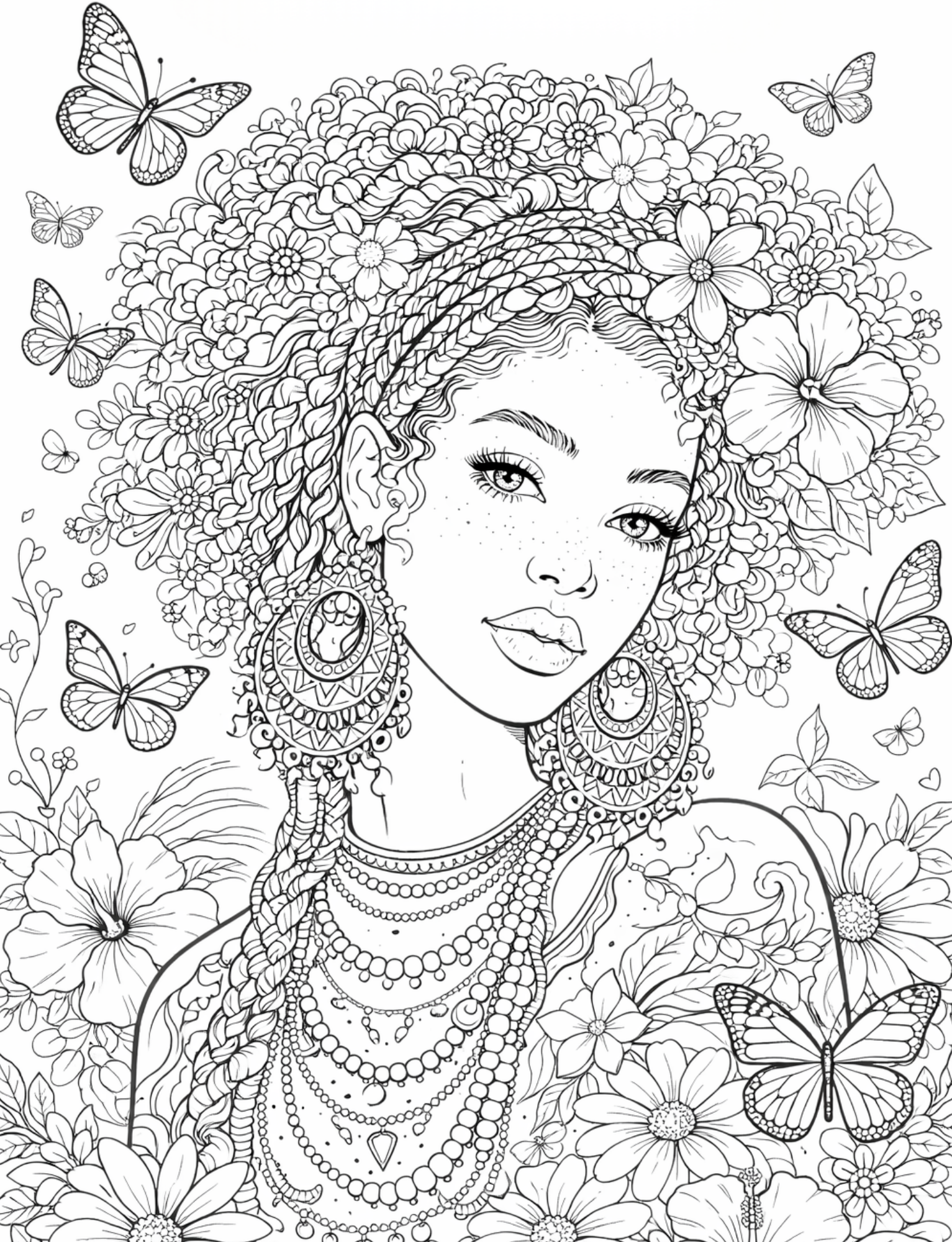
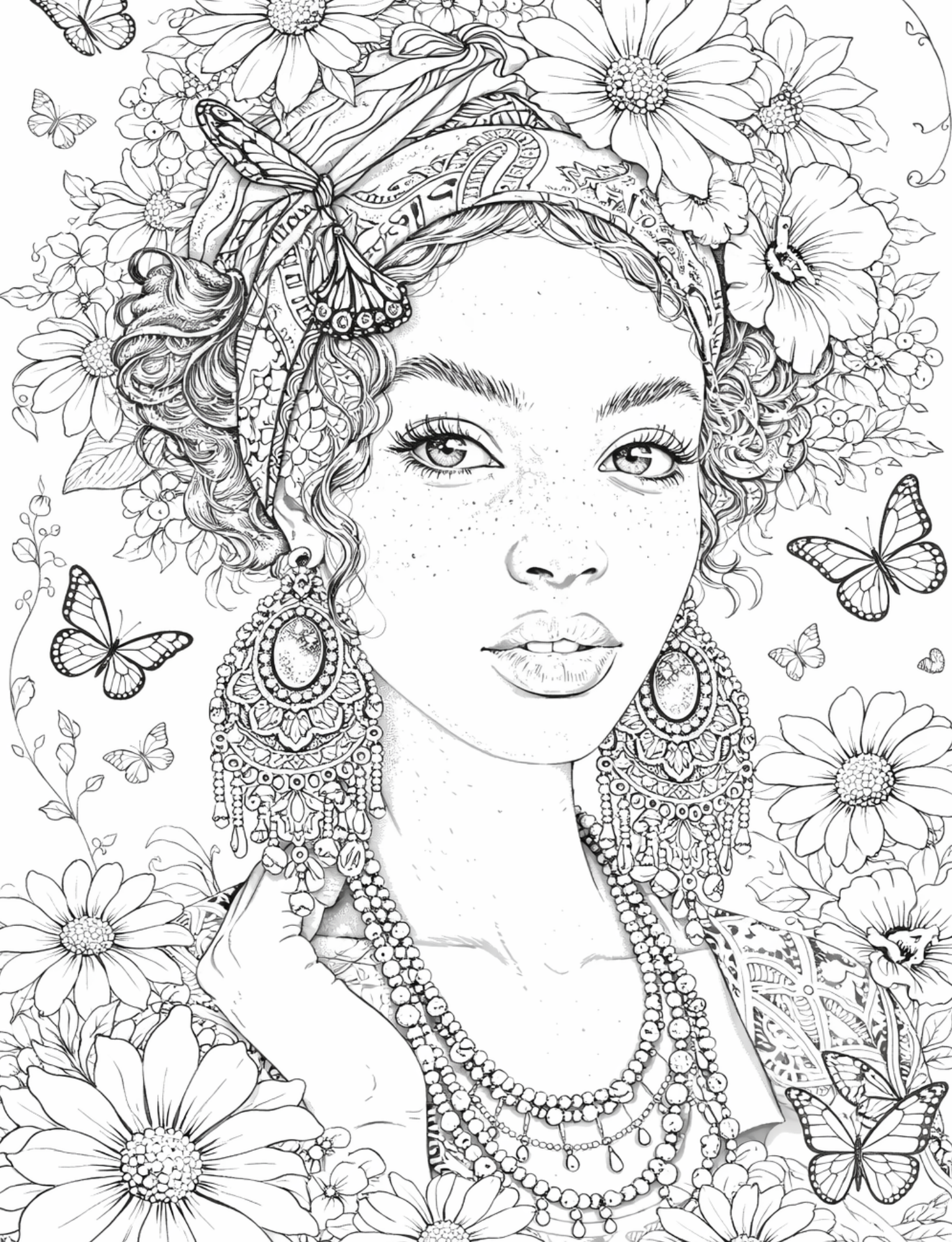
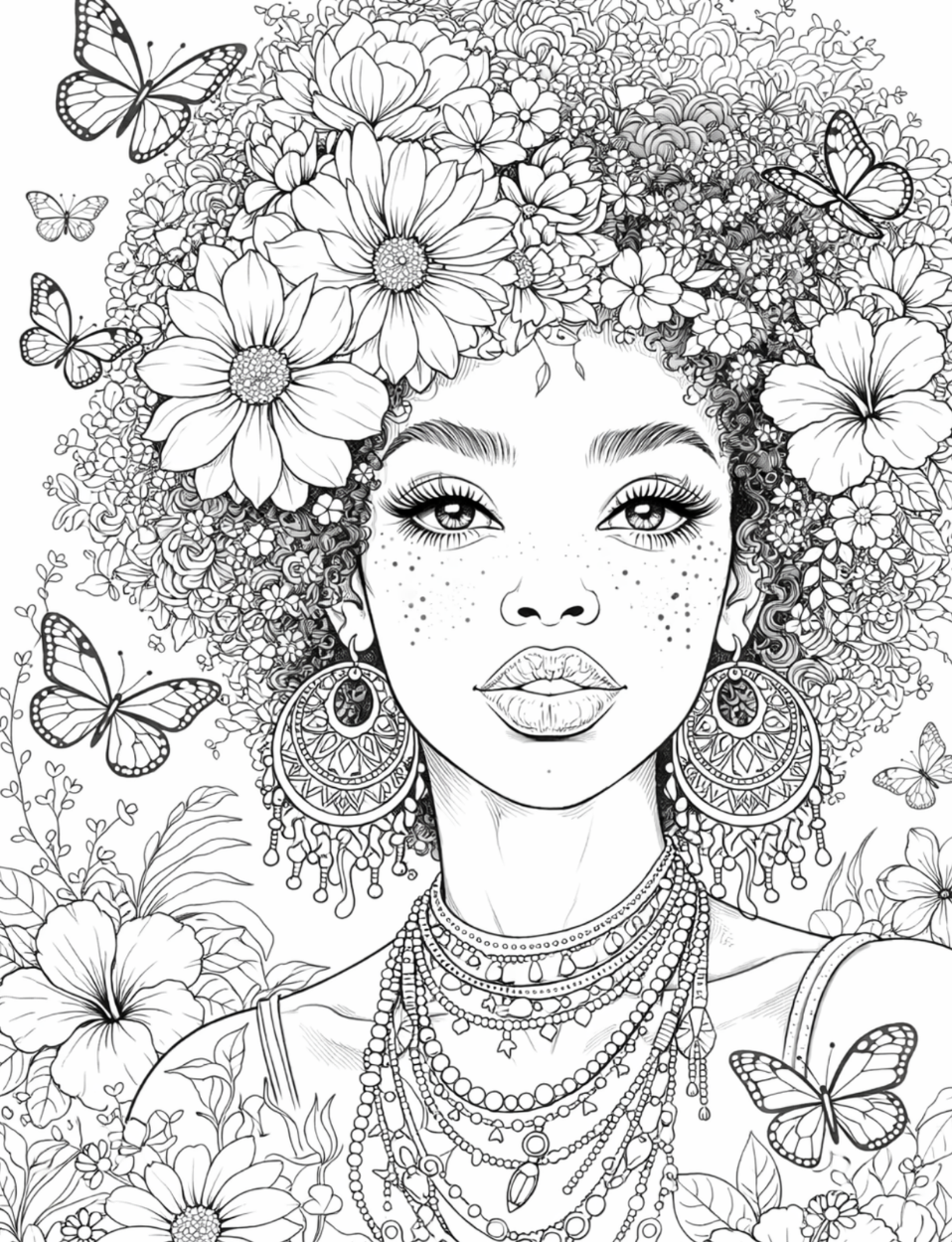
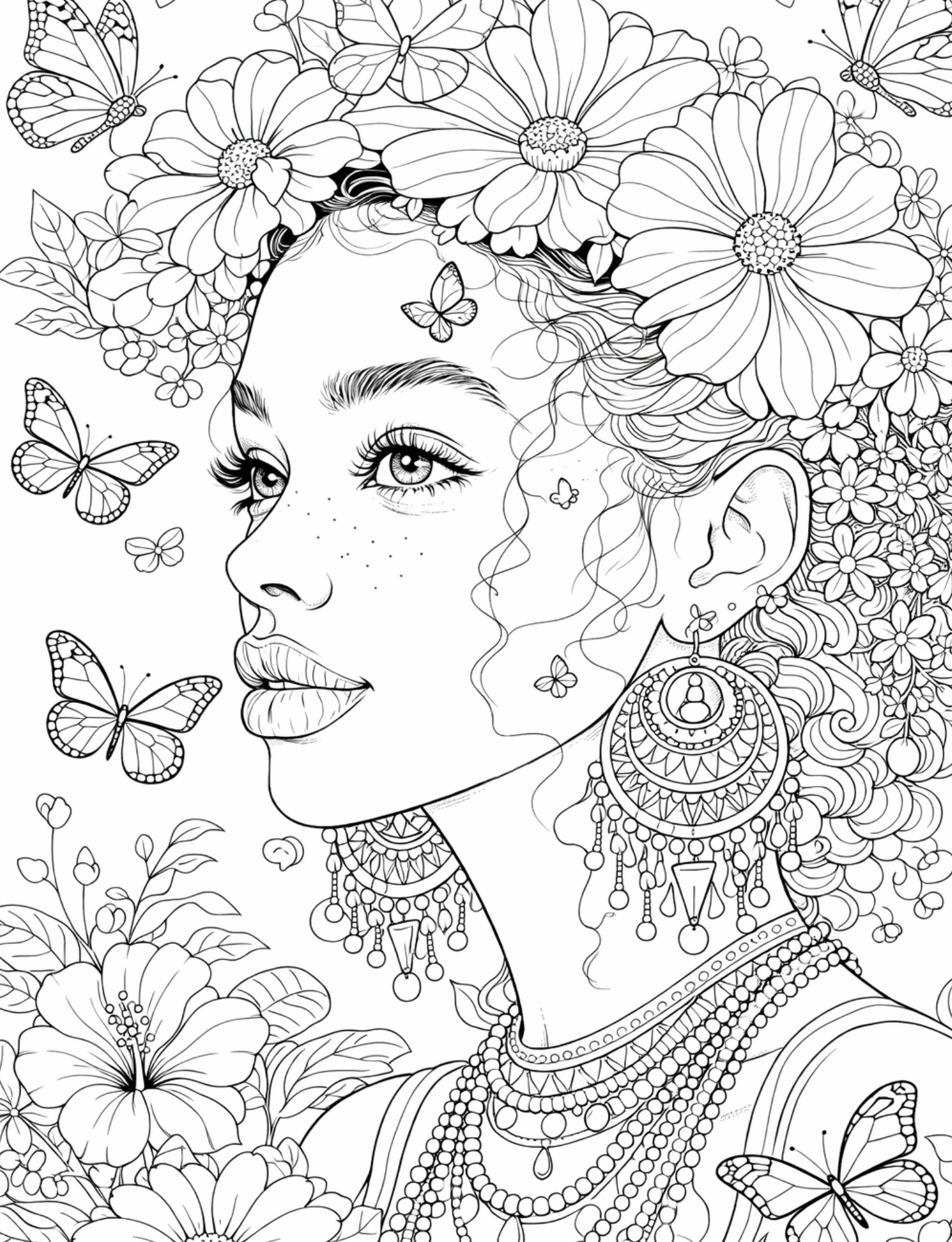
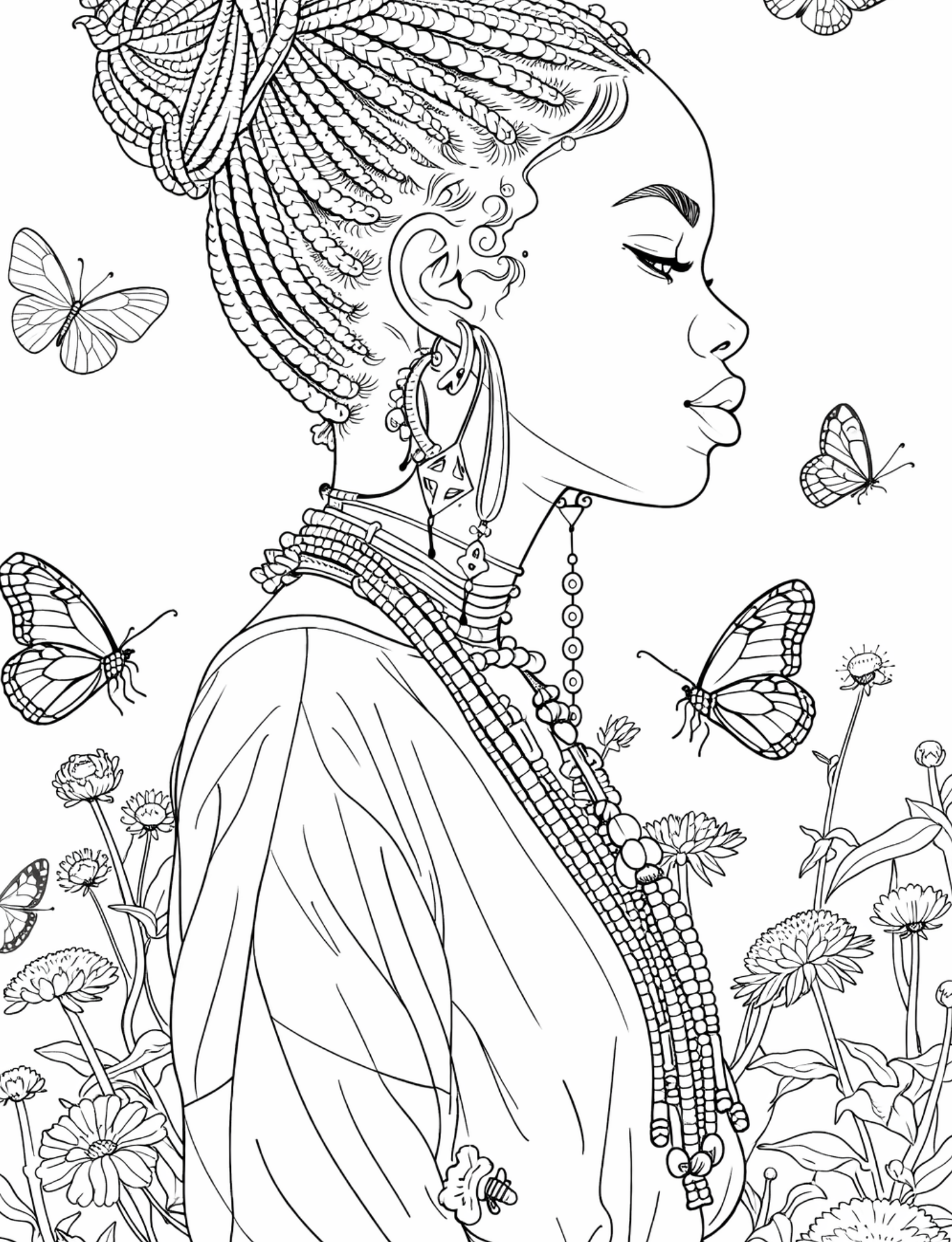
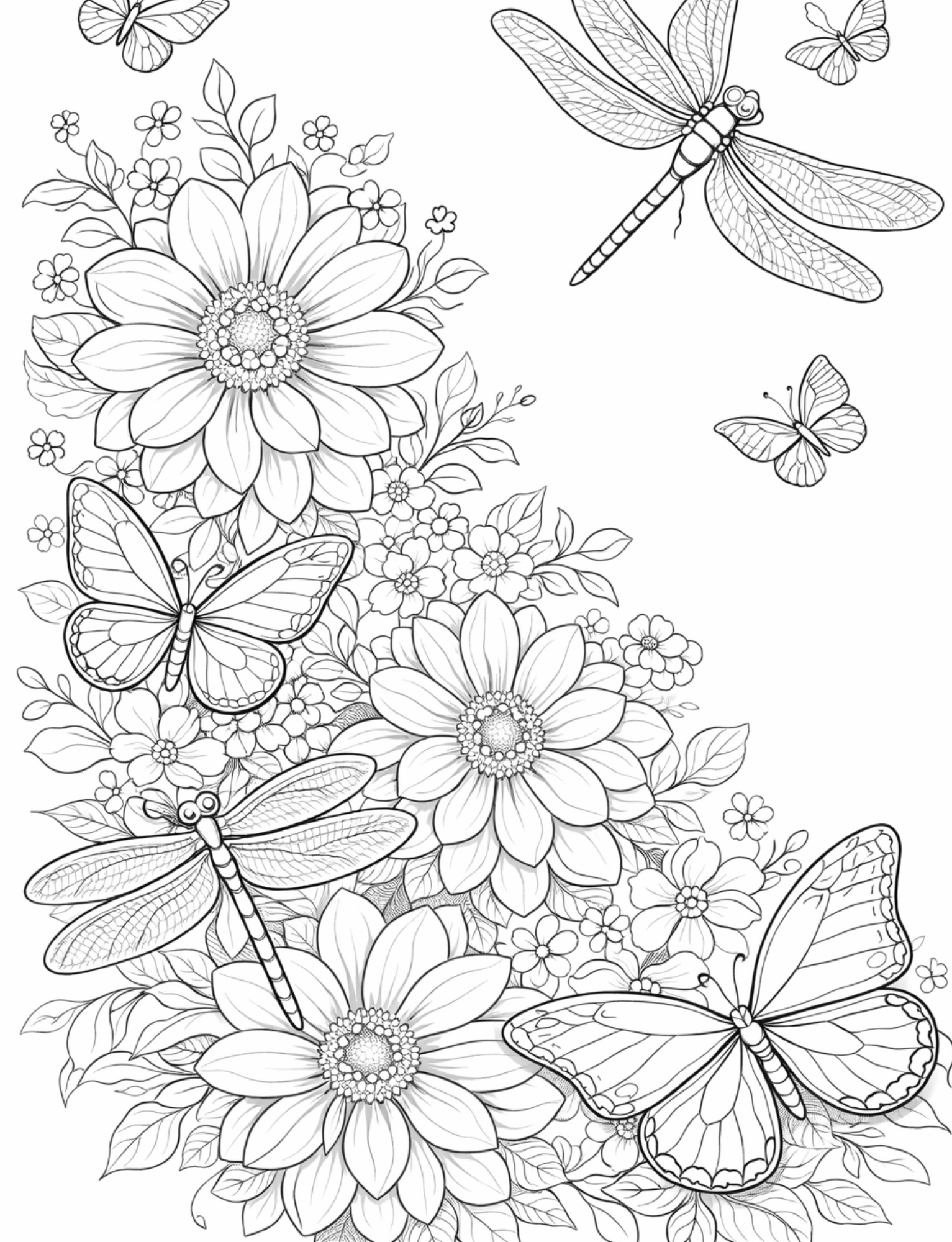
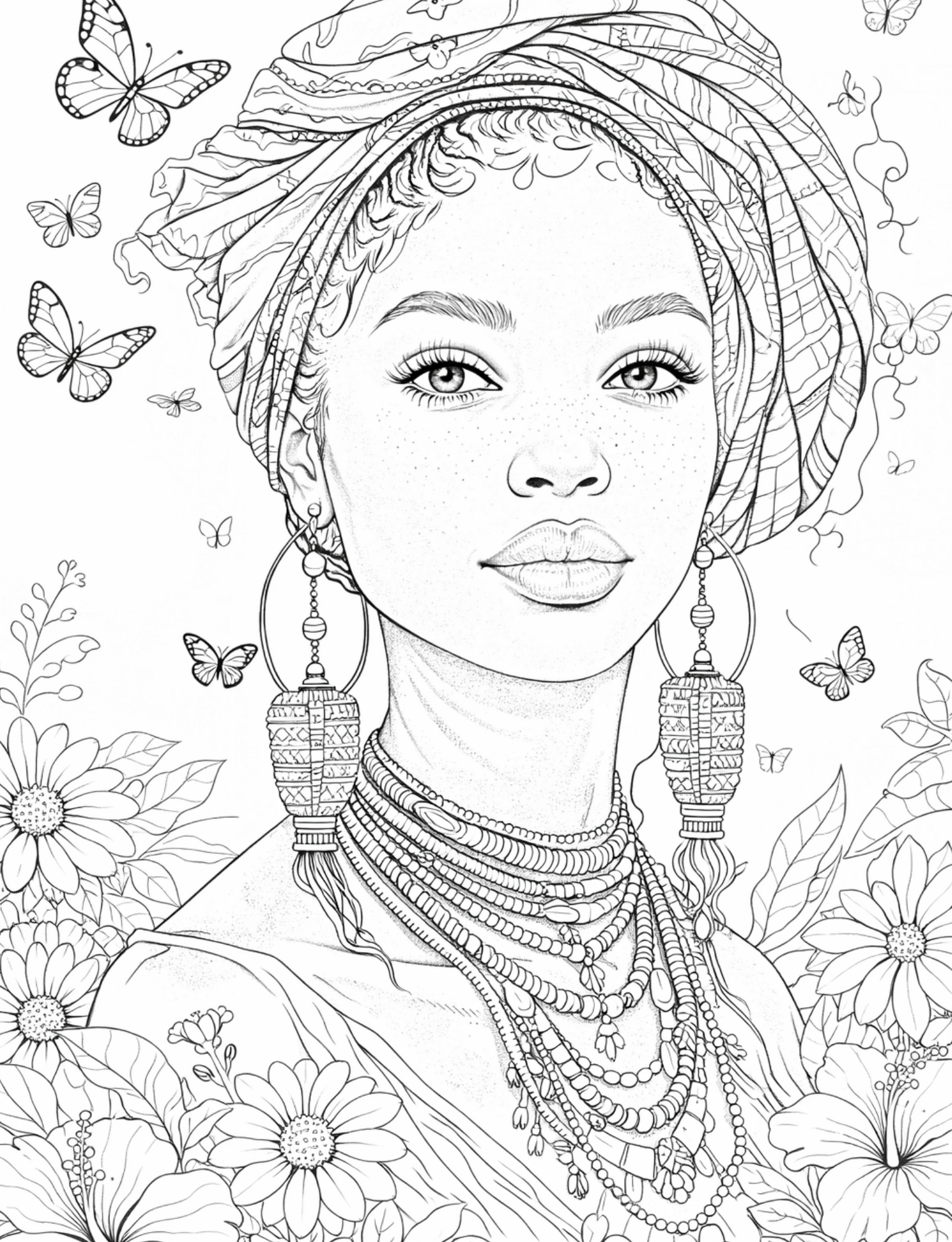
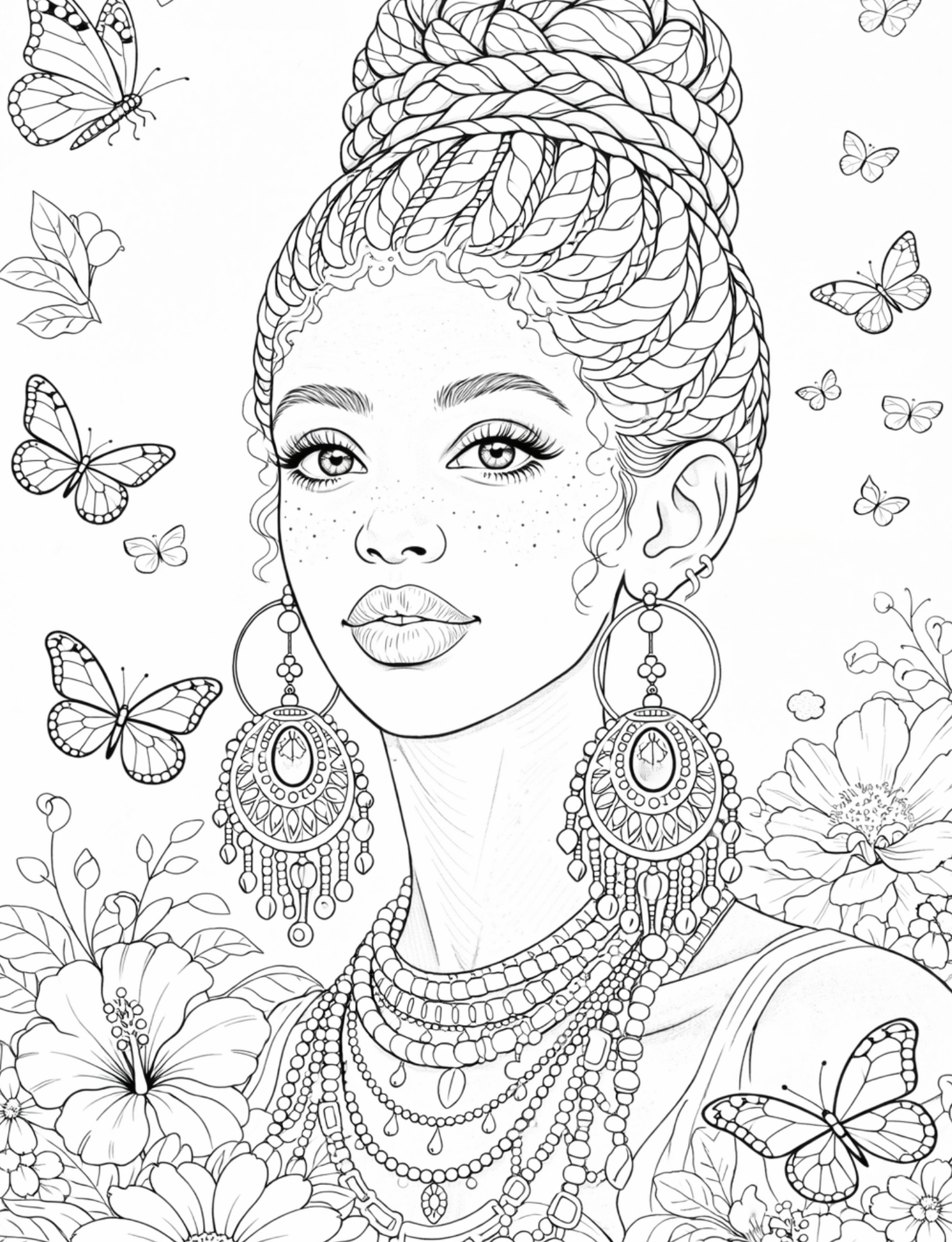
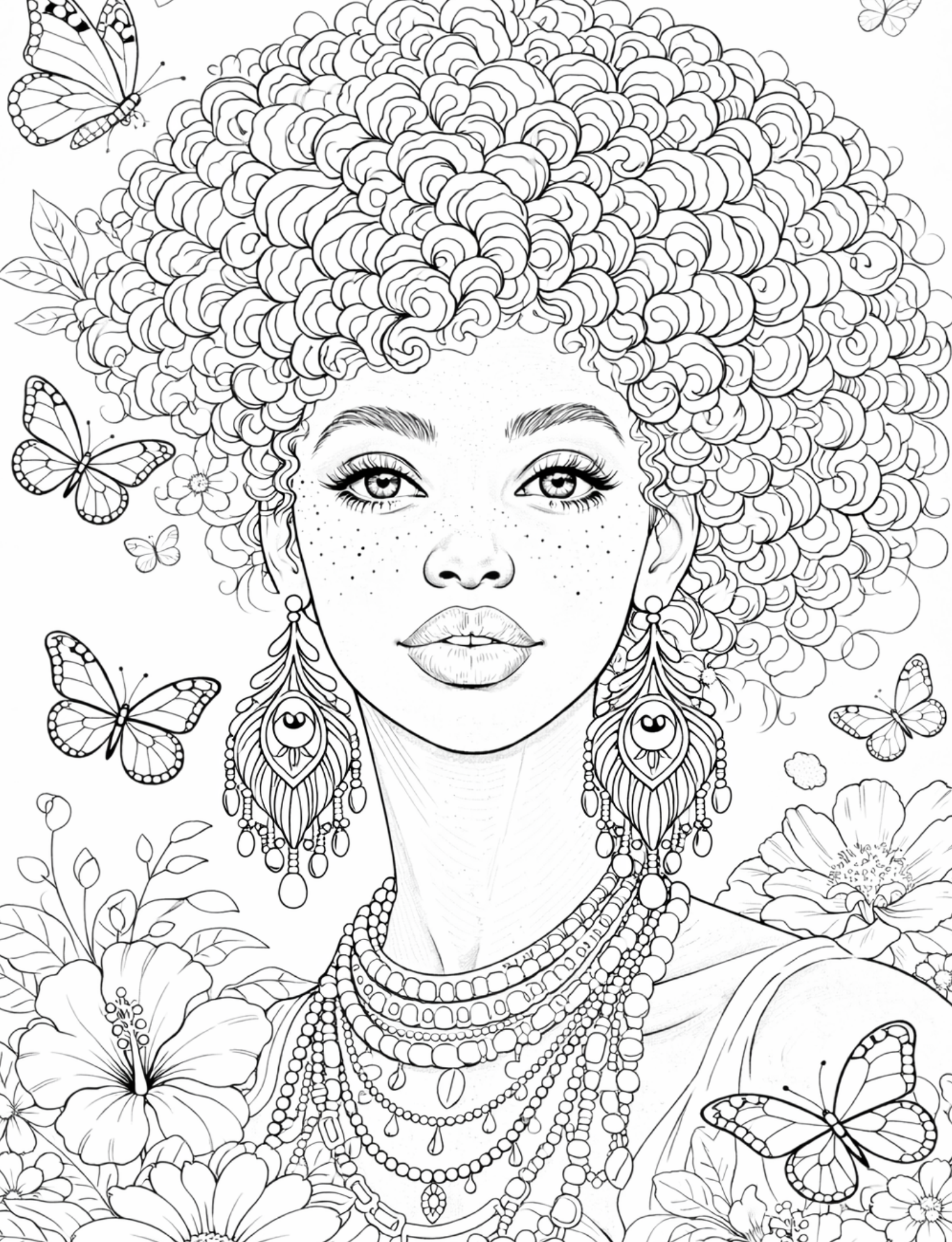
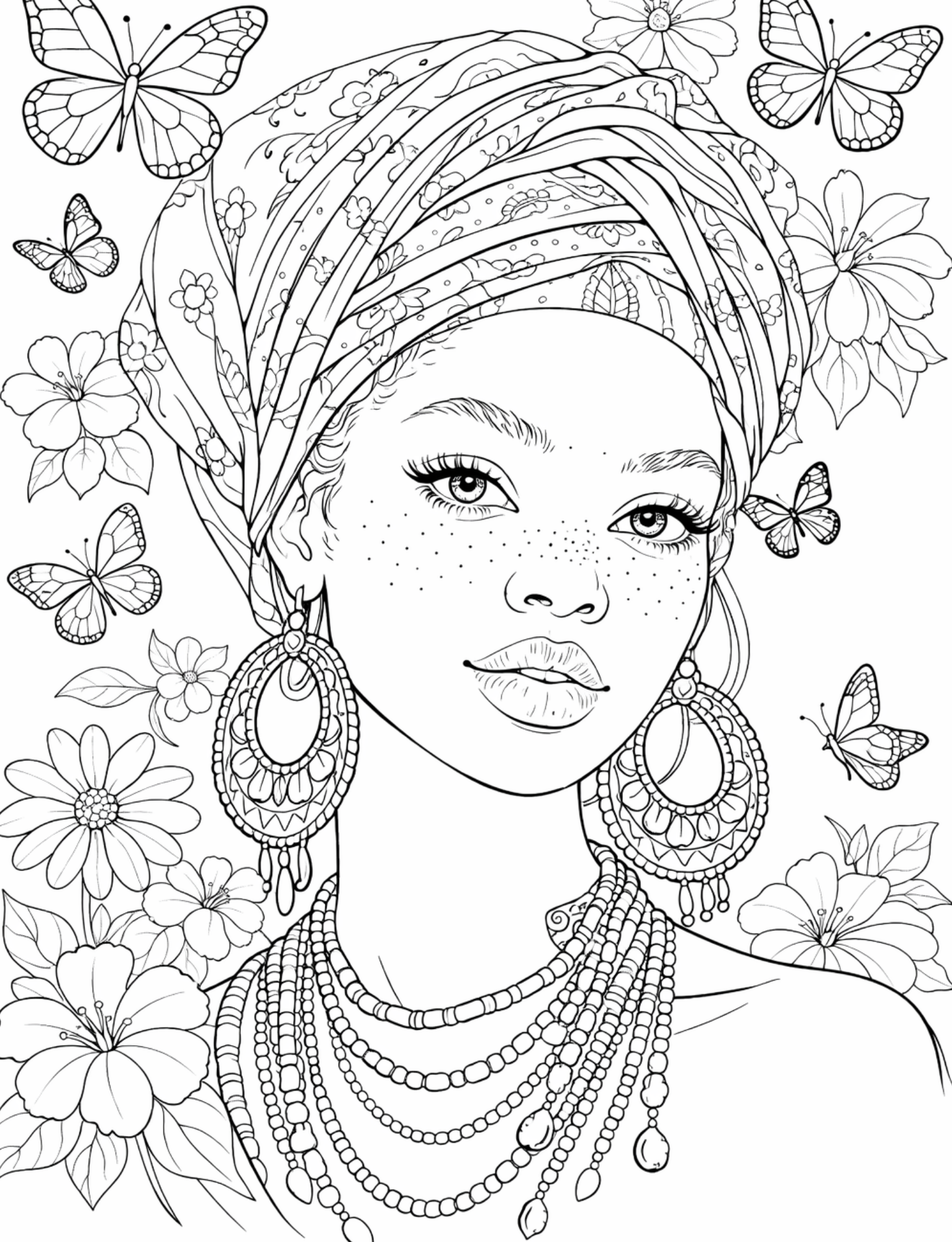
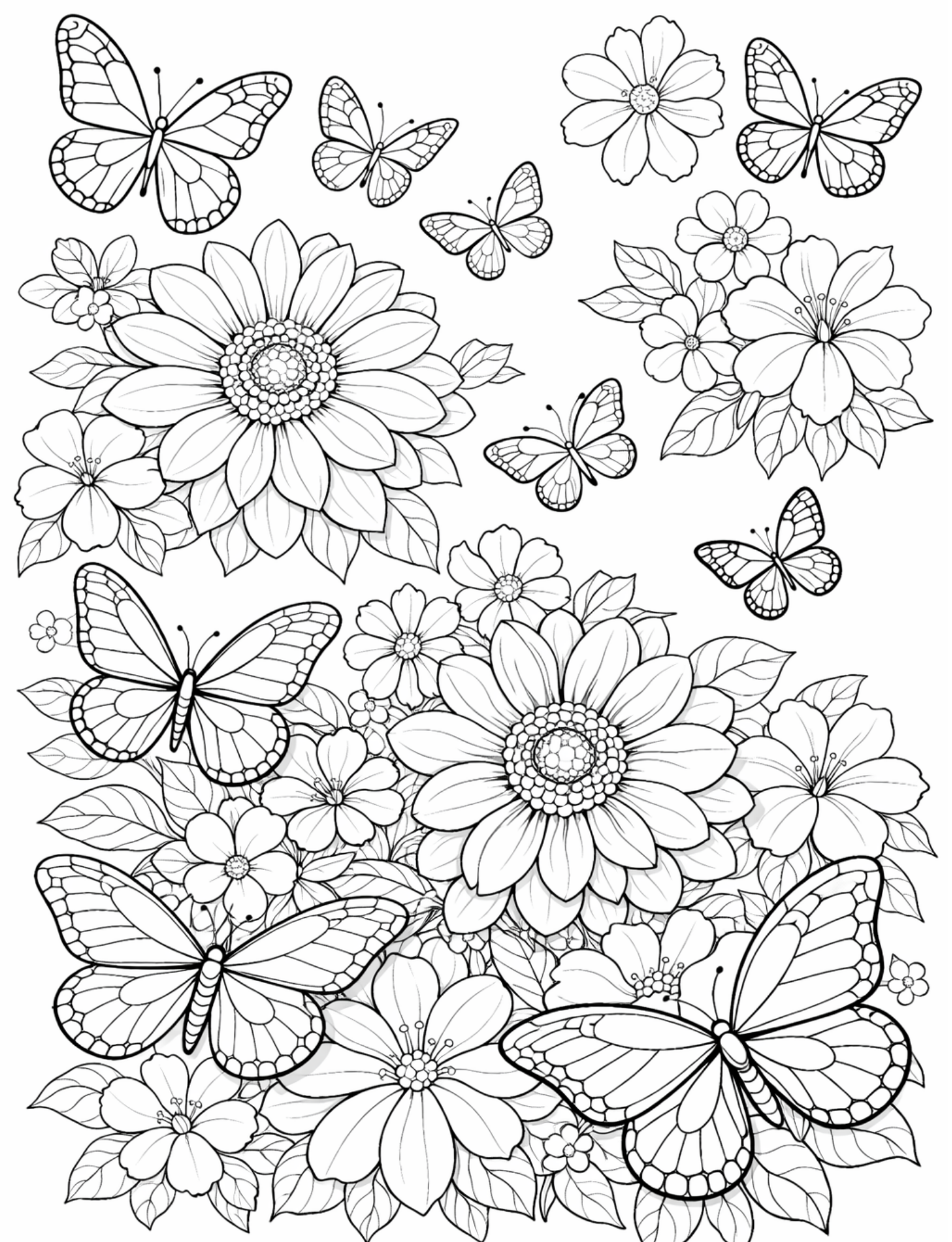
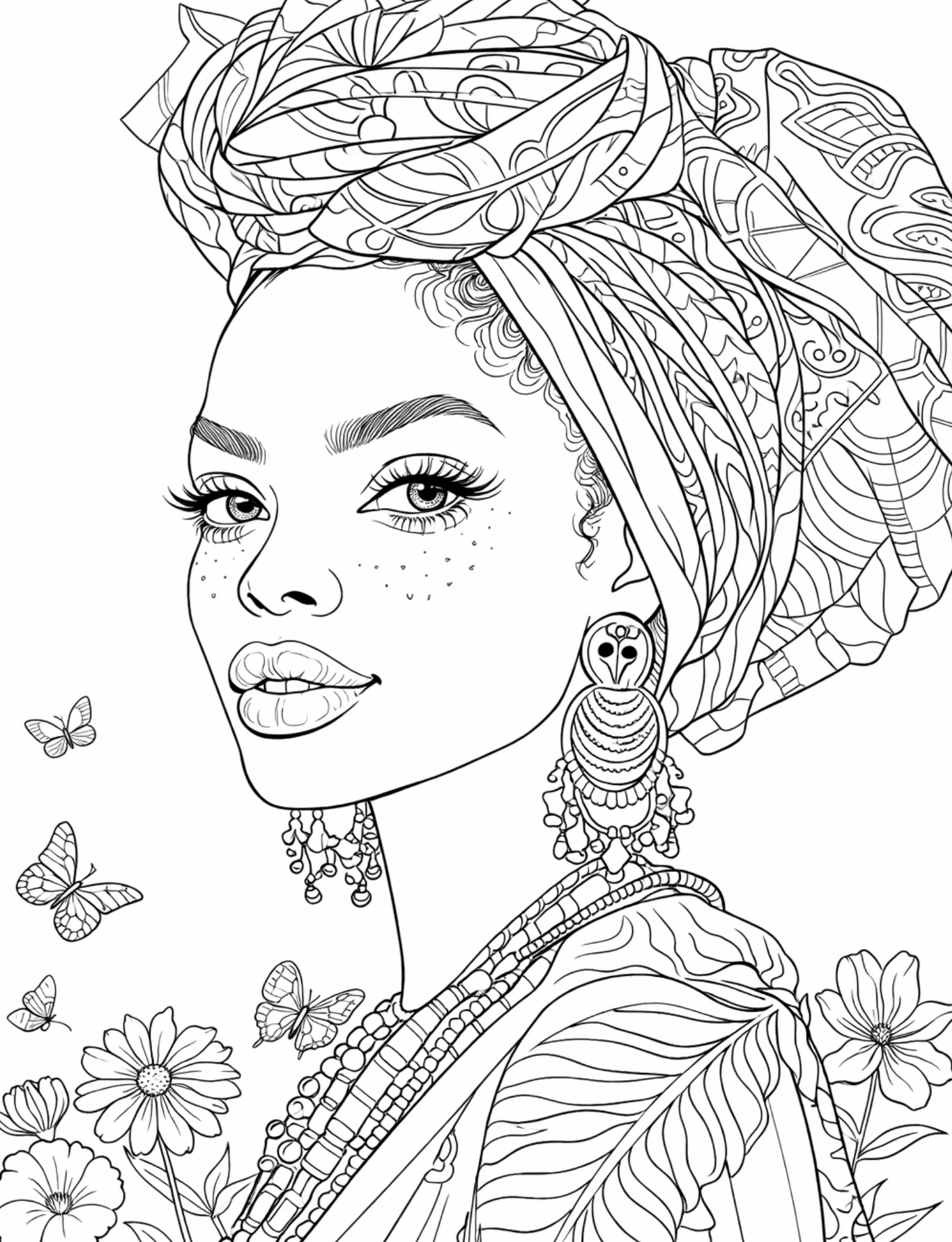
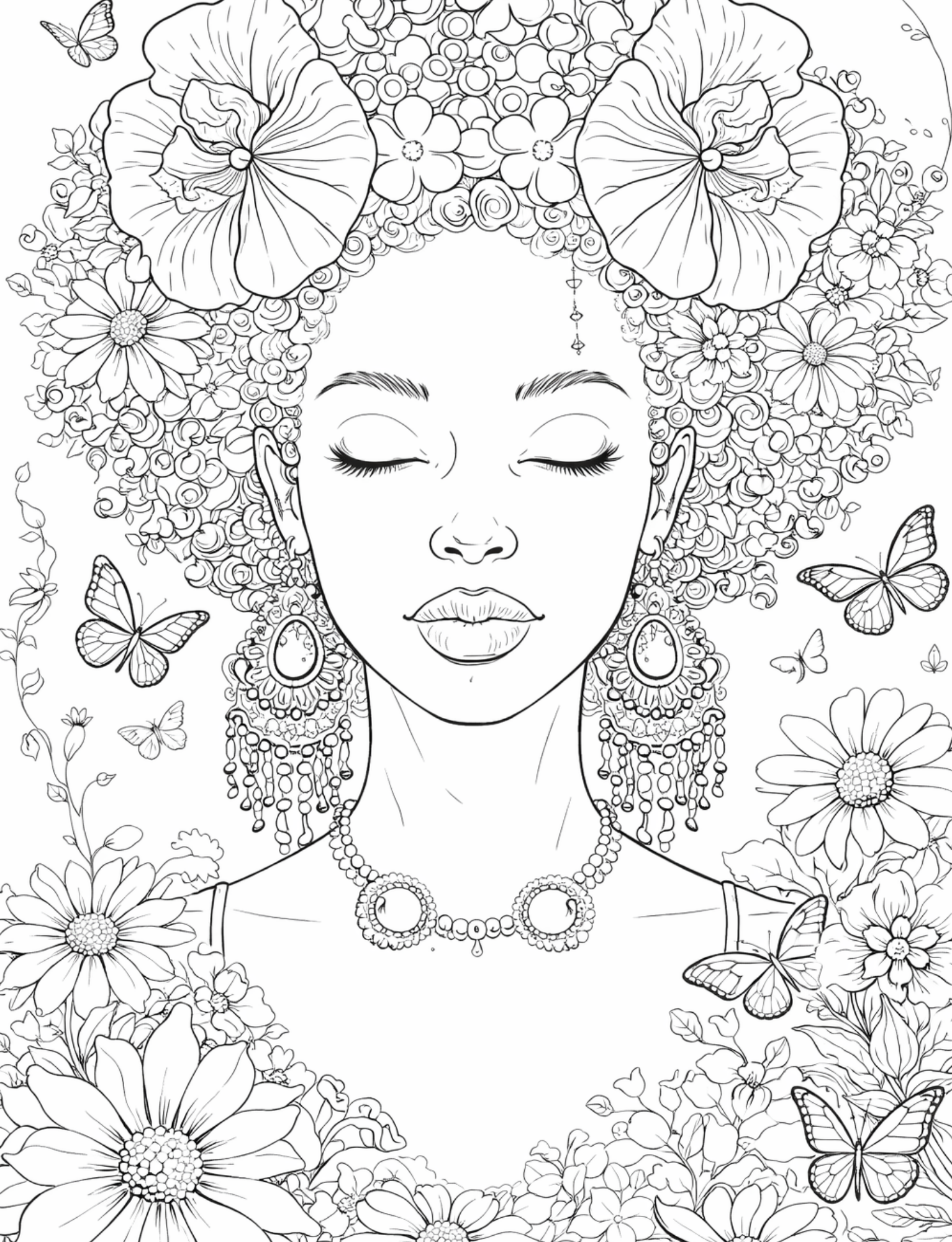
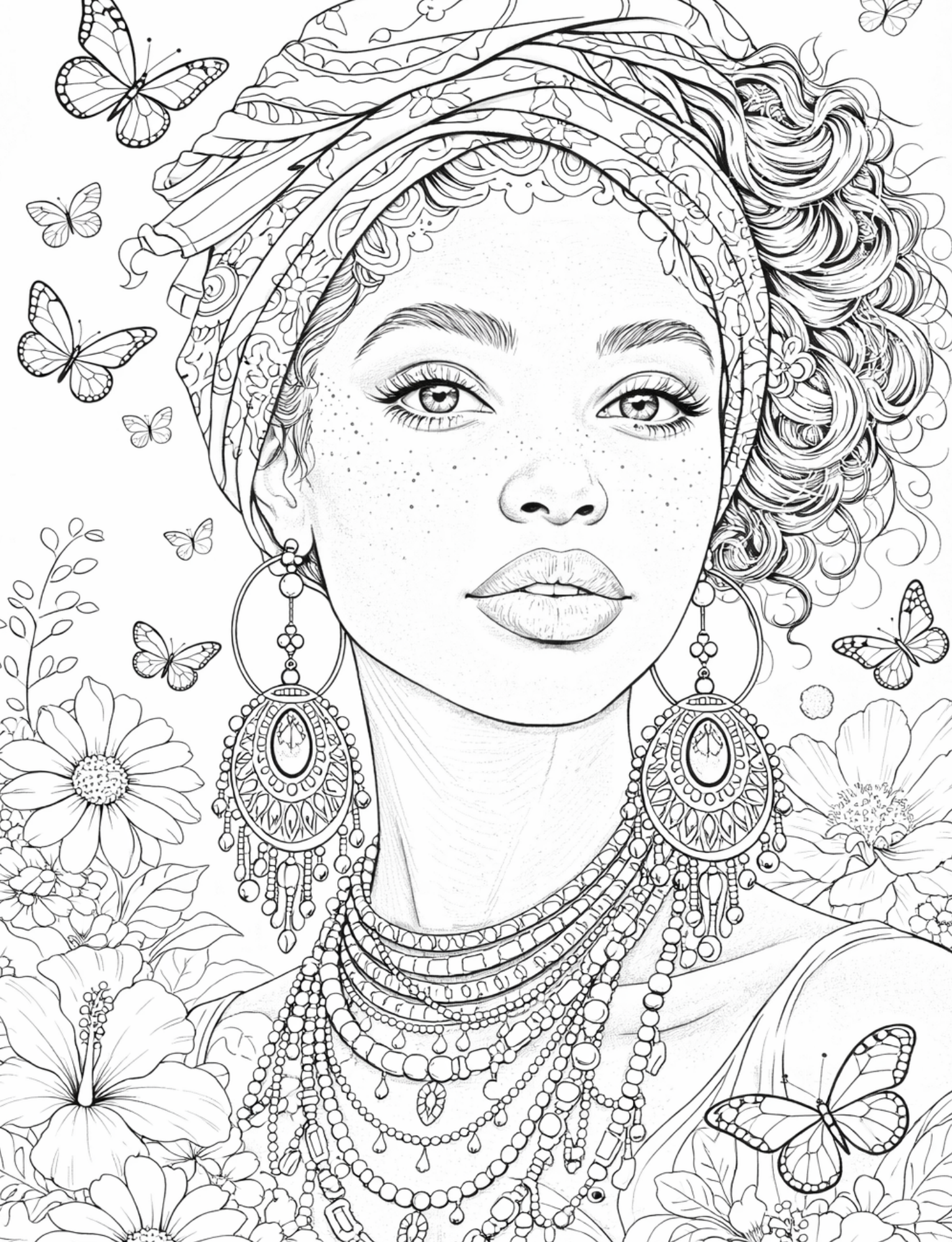
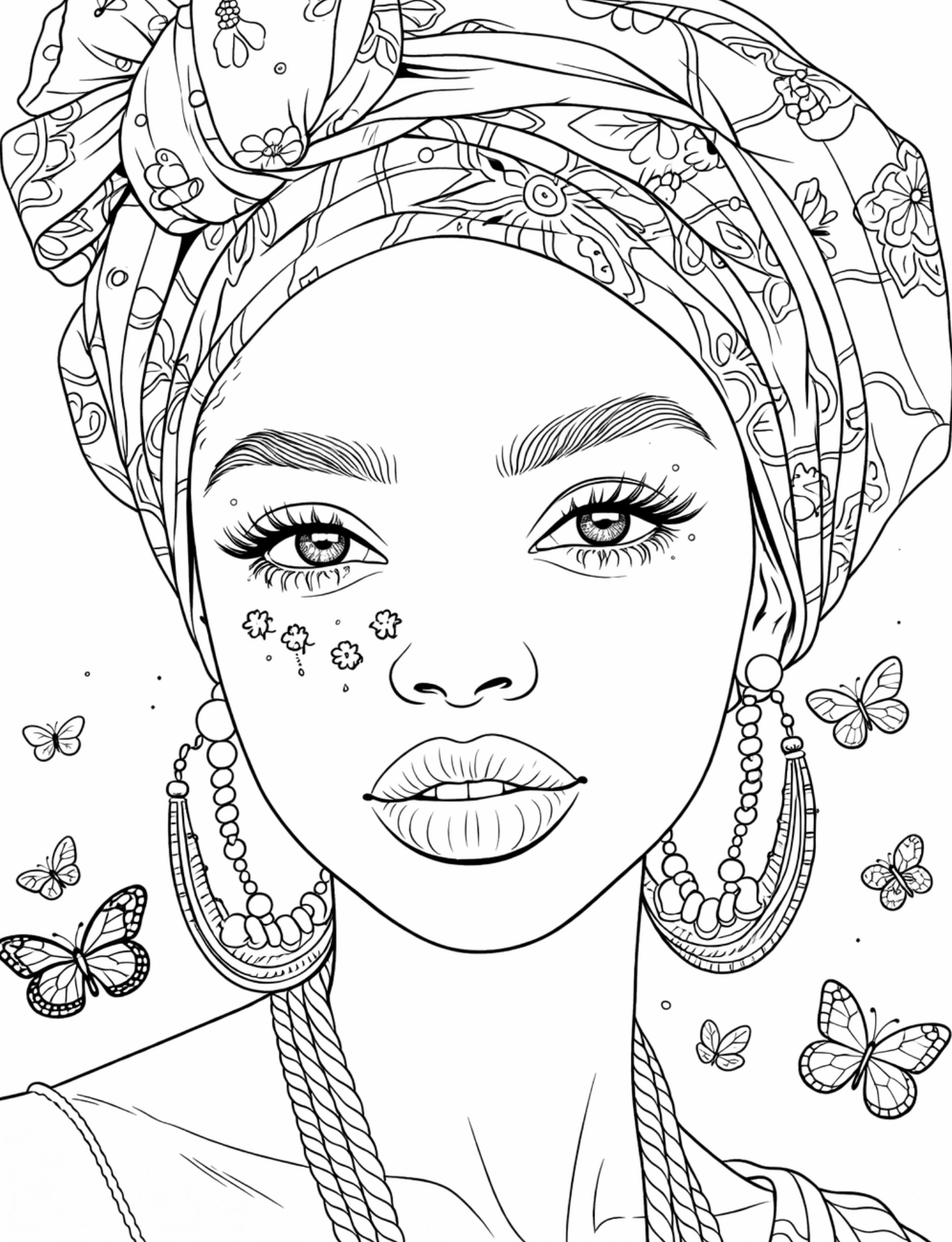
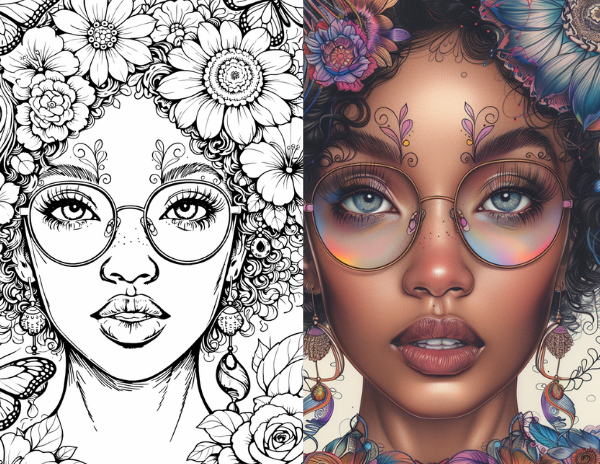
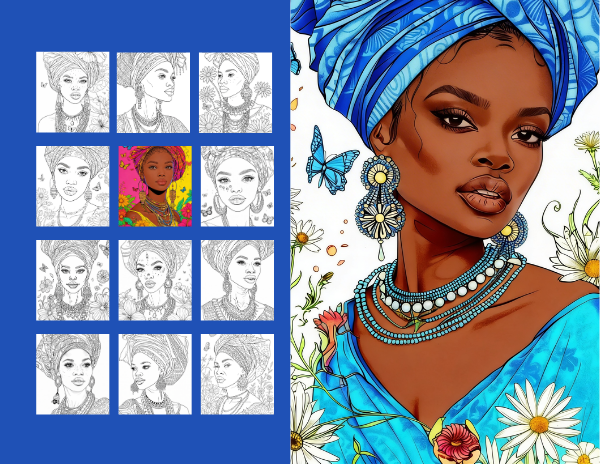
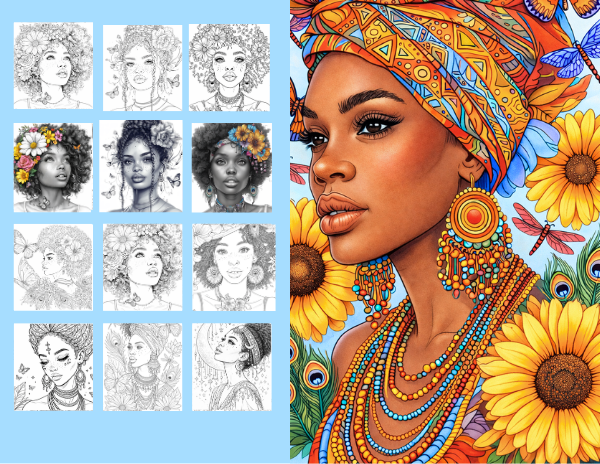
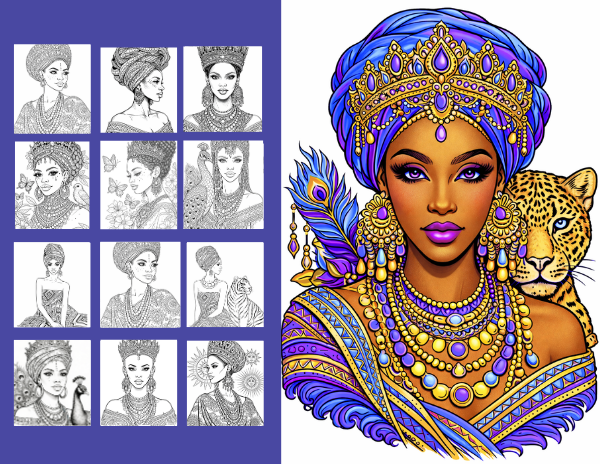
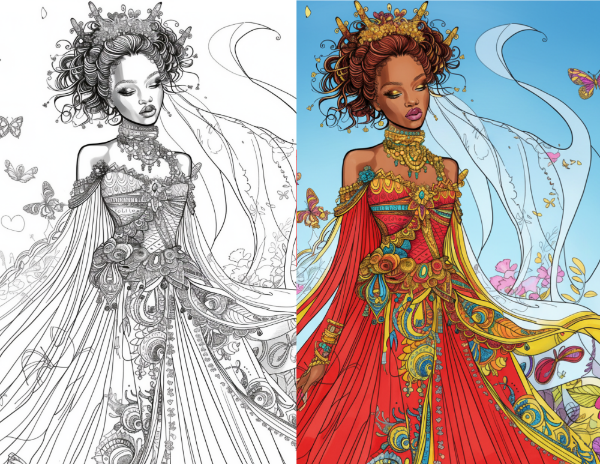
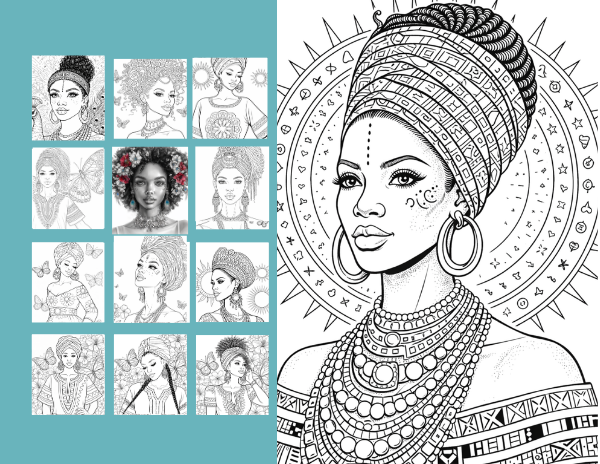
The 33-page Butterfly & Beauty series is built around a consistent aesthetic: African American women portrayed in lush botanical settings, surrounded by butterfly wings and floral elements that frame each portrait with natural beauty. Every page is designed at 300 DPI, which means the lines are crisp and clean at any standard print size. The designs range from close portrait studies to fuller compositional scenes with more background detail.
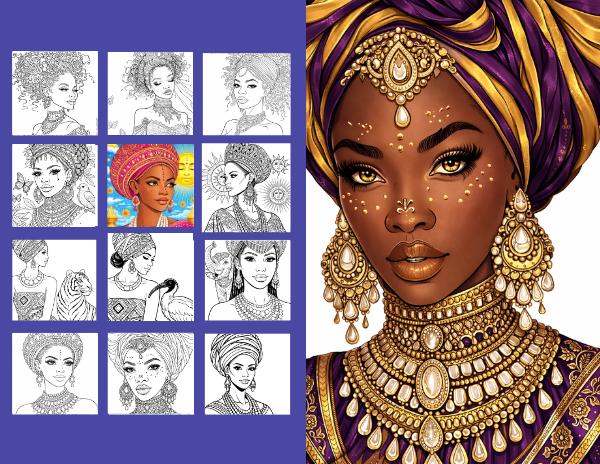
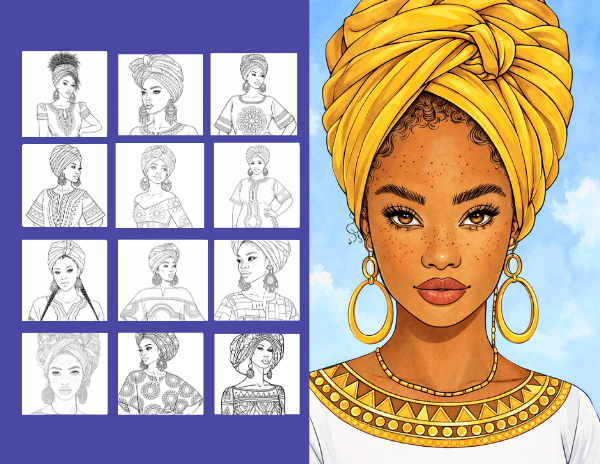
What makes this collection distinctive is the cultural intentionality behind every design. Natural hair — coils, locs, afros, twists — is celebrated rather than simplified. Facial features are rendered with care and specificity. The women depicted have presence and personality rather than being generic stand-ins. This specificity is what makes these pages feel meaningful to color, rather than just technically satisfying.
Best Coloring Supplies for Printed Pages
Your paper choice determines which supplies work best. On standard copy paper, colored pencils are ideal — they don't bleed through and give you excellent control for portrait work. Soft-core pencils like Prismacolor Premier blend beautifully and layer well. Wax-based pencils are more lightfast and produce richer color saturation, while oil-based pencils are harder and better for fine detail lines.
On cardstock, you have more options. Alcohol markers (Copic, Ohuhu, Arteza) work beautifully and produce professional-quality fills. Water-based markers are more forgiving for blending and less likely to bleed. Watercolor pencils applied wet create beautiful washes for backgrounds. Whatever medium you choose, test it on the included color test page first — it's there for exactly that purpose.
Building a Printable Coloring Page Collection
Think of your $2.99 download as the foundation of a coloring collection rather than a single coloring book. As you color through the series, try organizing your completed pages in a binder with clear page protectors — you can build a beautiful portfolio of finished work that also functions as an art book celebrating African American beauty. Some colorists number their pages and note which supplies they used on the back.
The full Butterfly & Beauty series includes nine volumes, all available in the same printable PDF format. Building a complete digital collection of all nine volumes gives you over 200 pages of African American portrait coloring art — enough to sustain a coloring practice for years. Each volume has its own distinct visual theme while sharing the cohesive aesthetic of Black women in botanical, butterfly-filled settings.