African American Art in Coloring Books — a Cultural Tradition
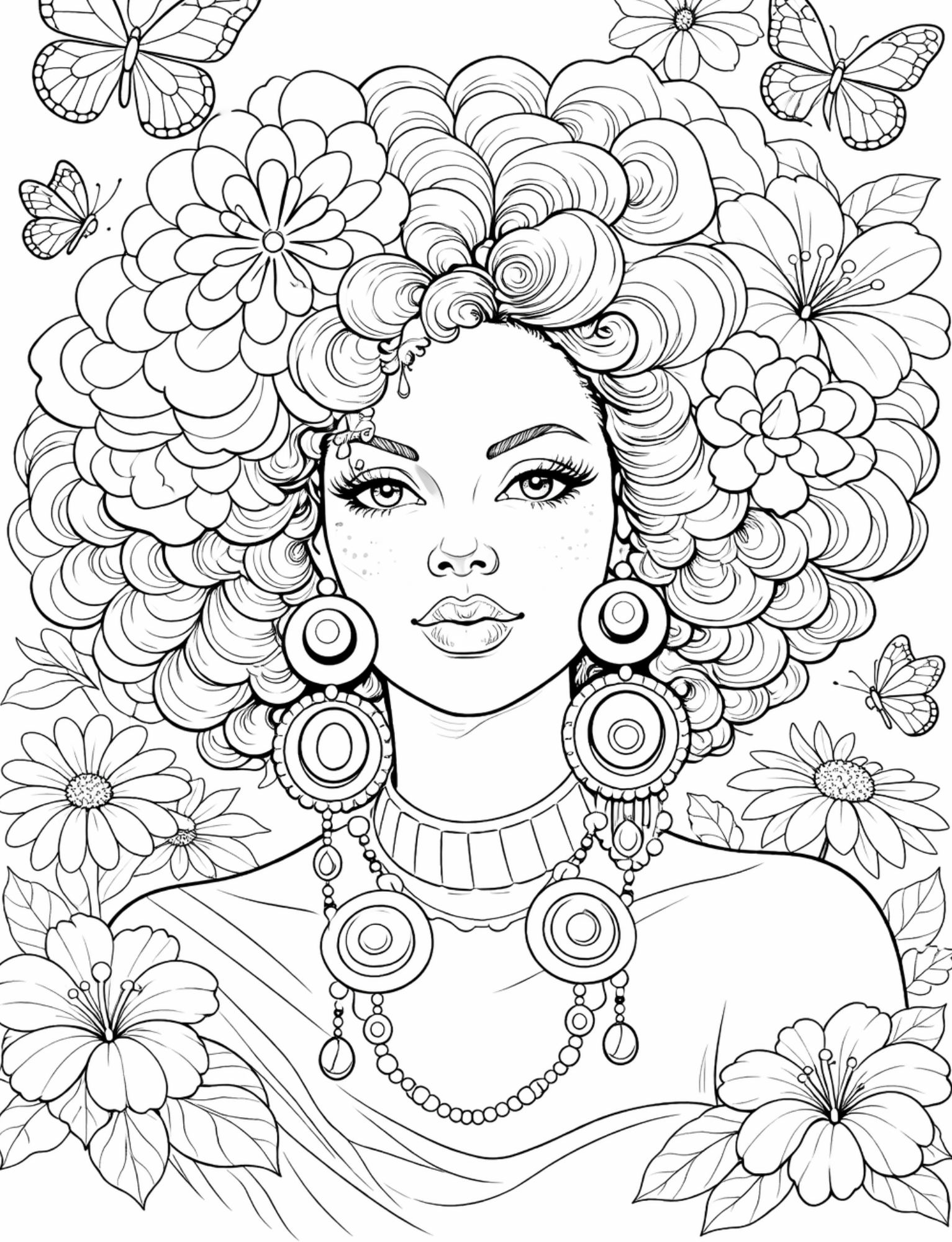
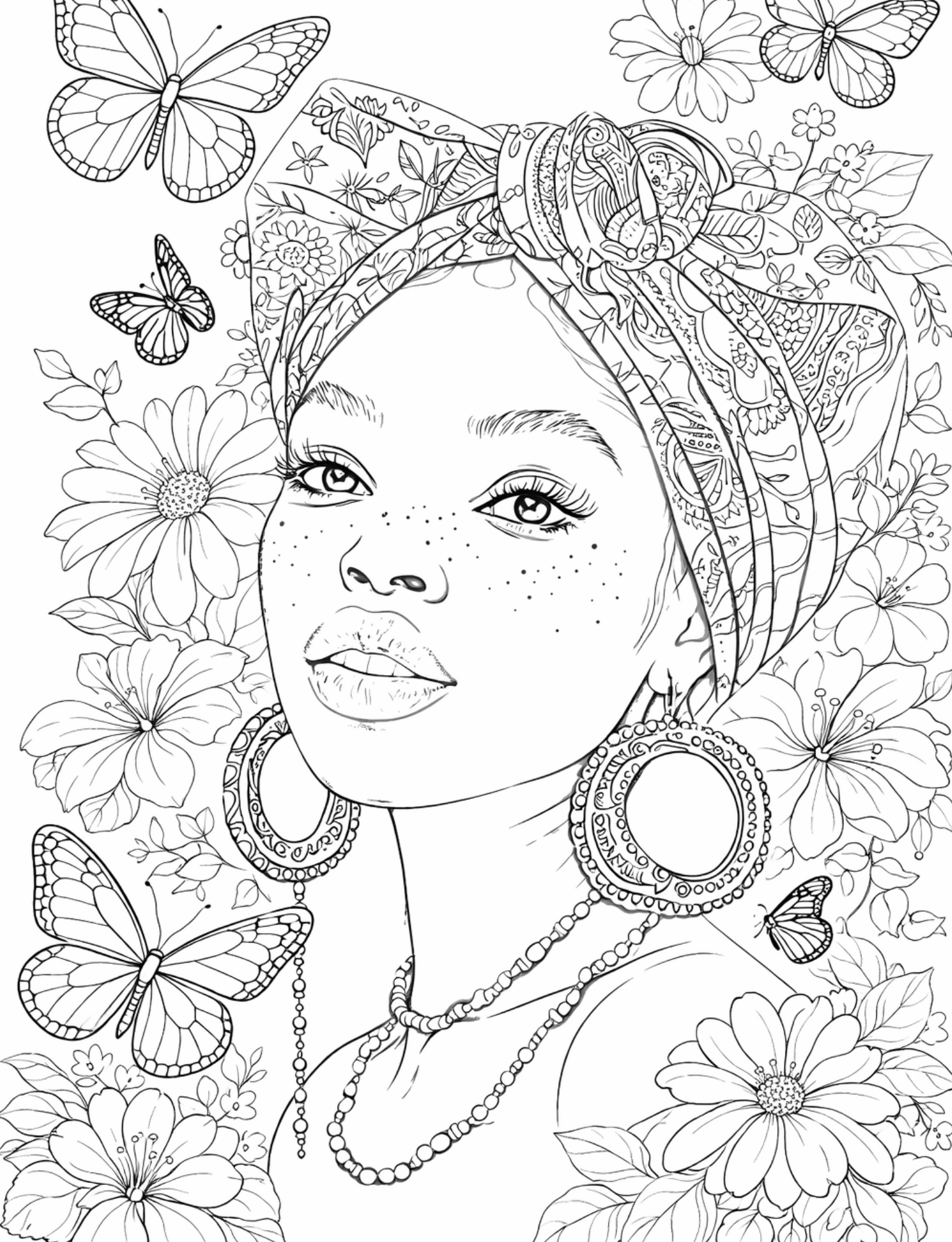
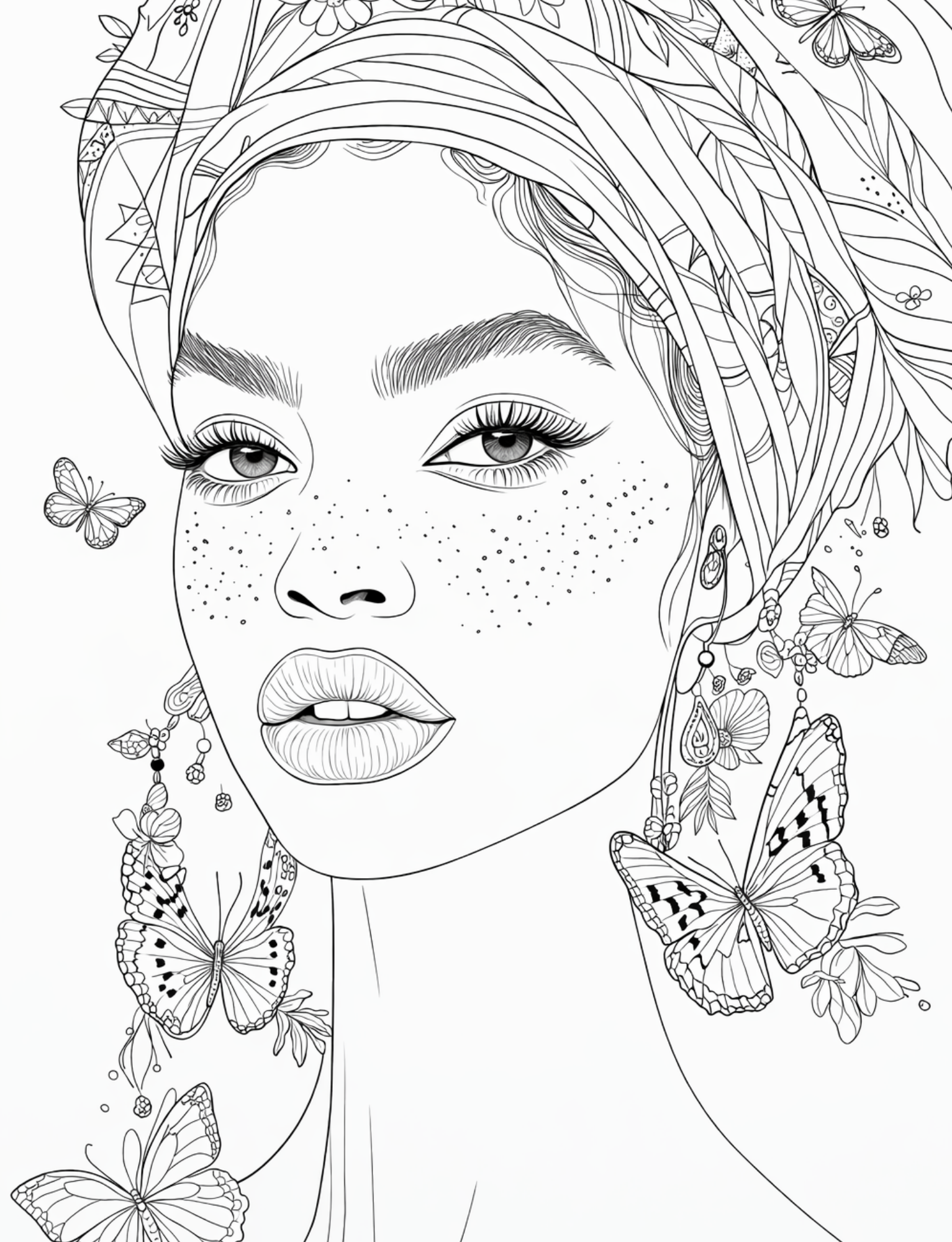
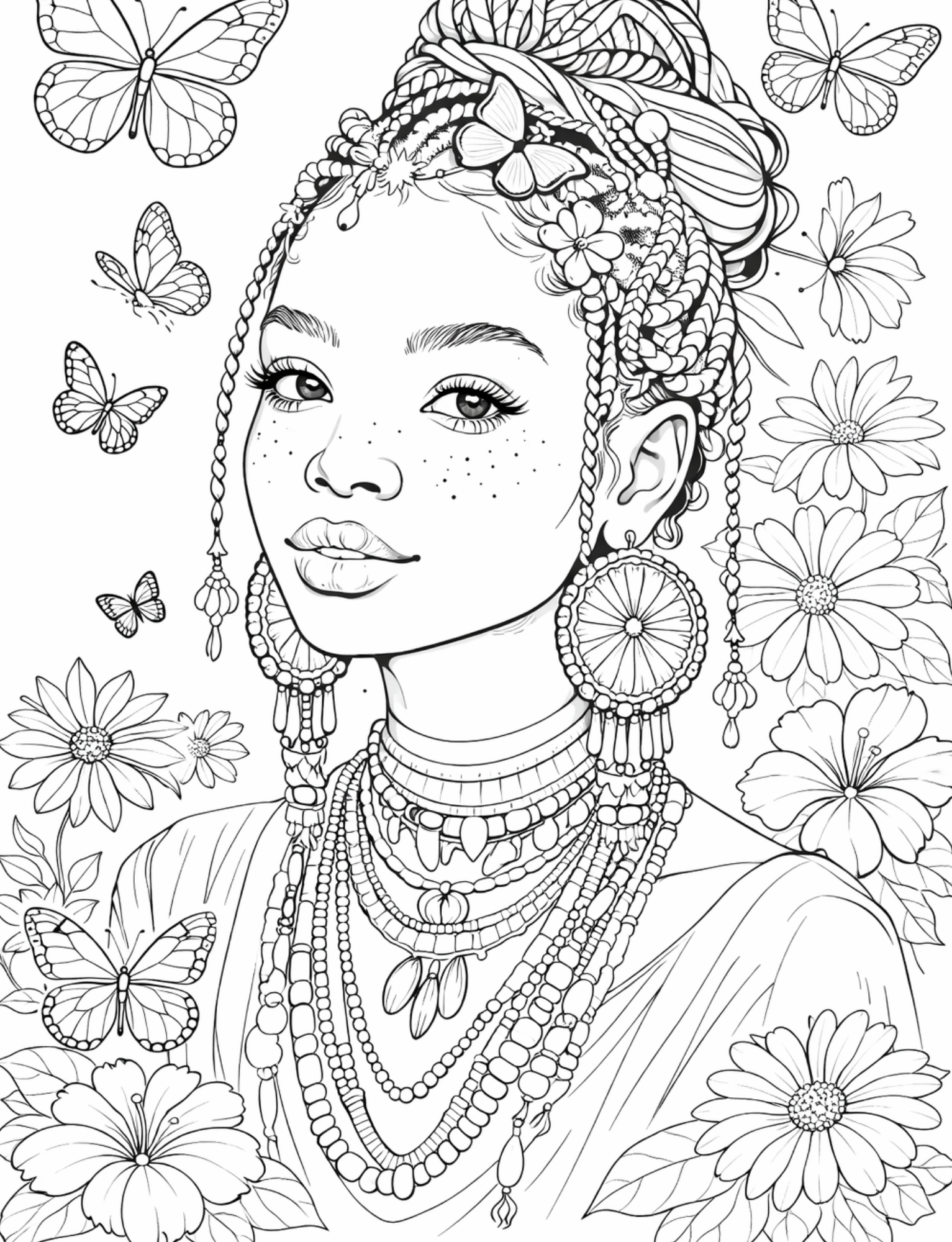
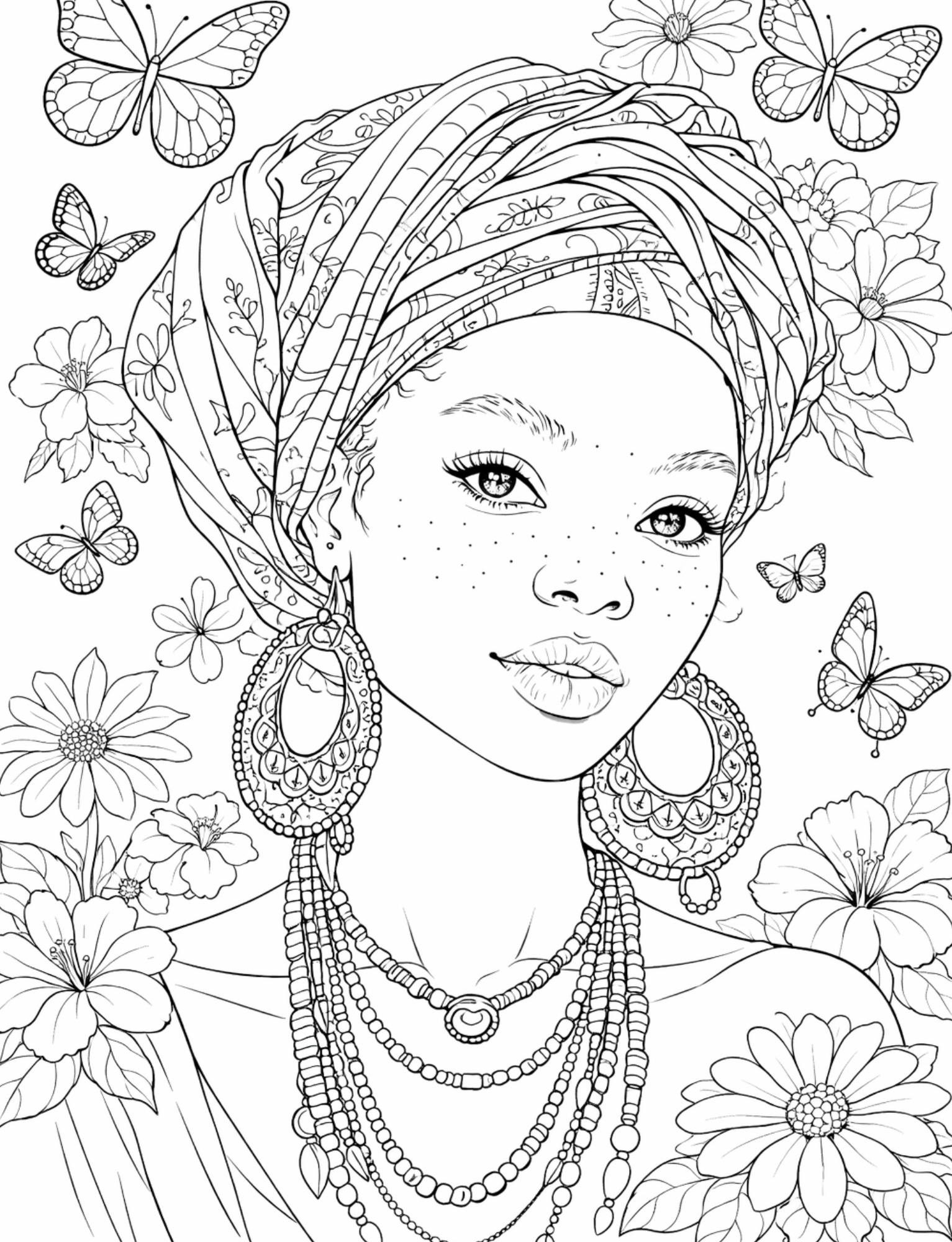
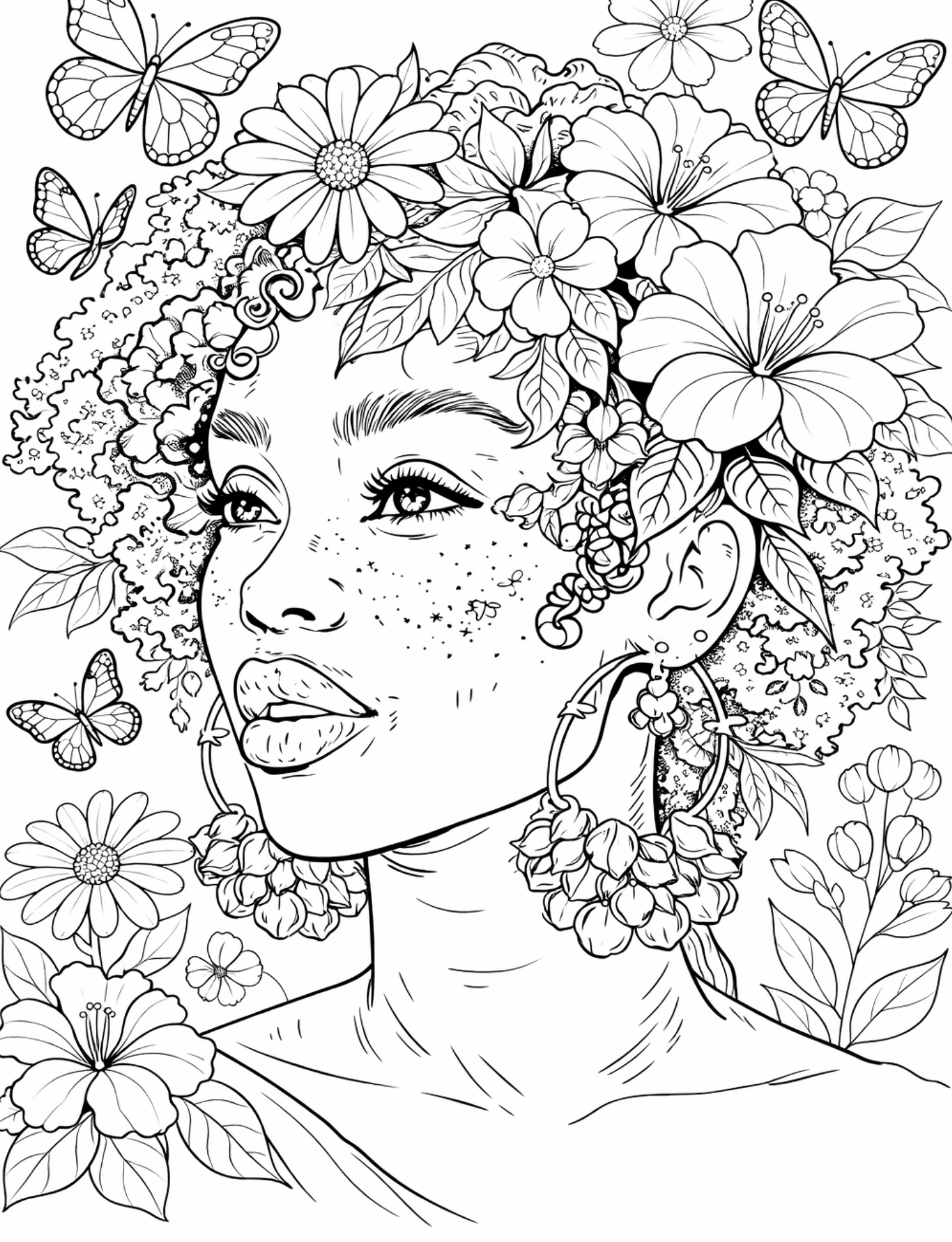
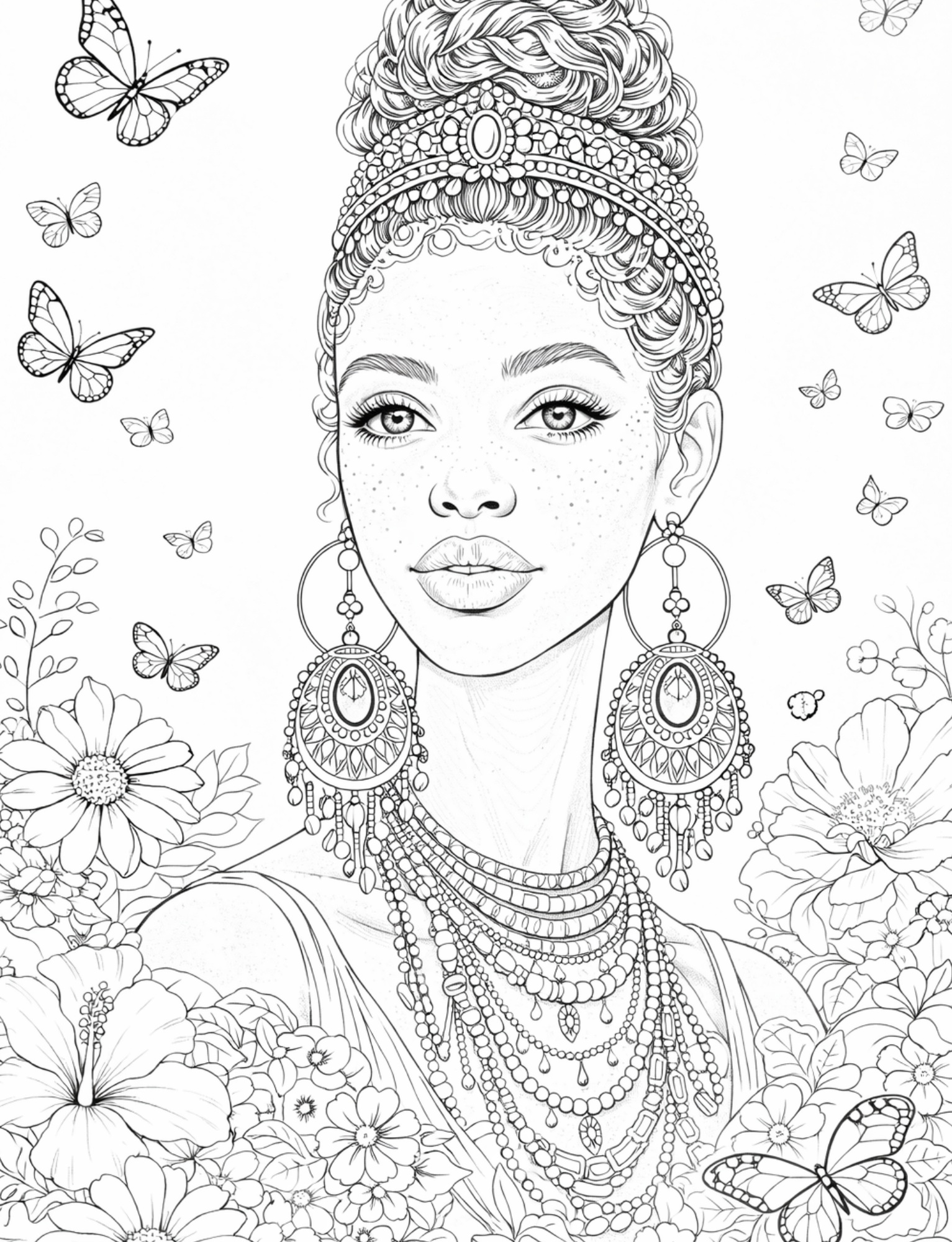
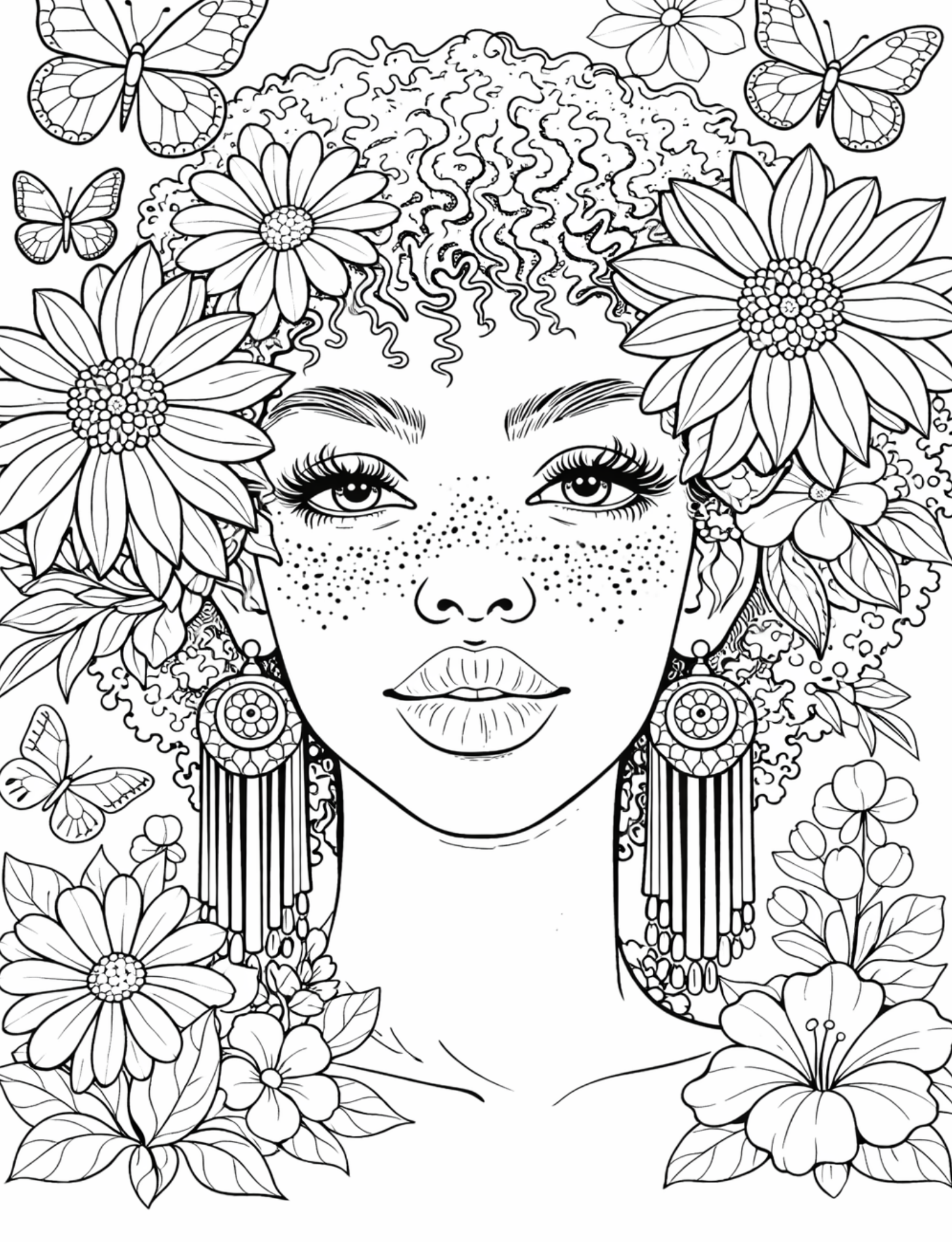
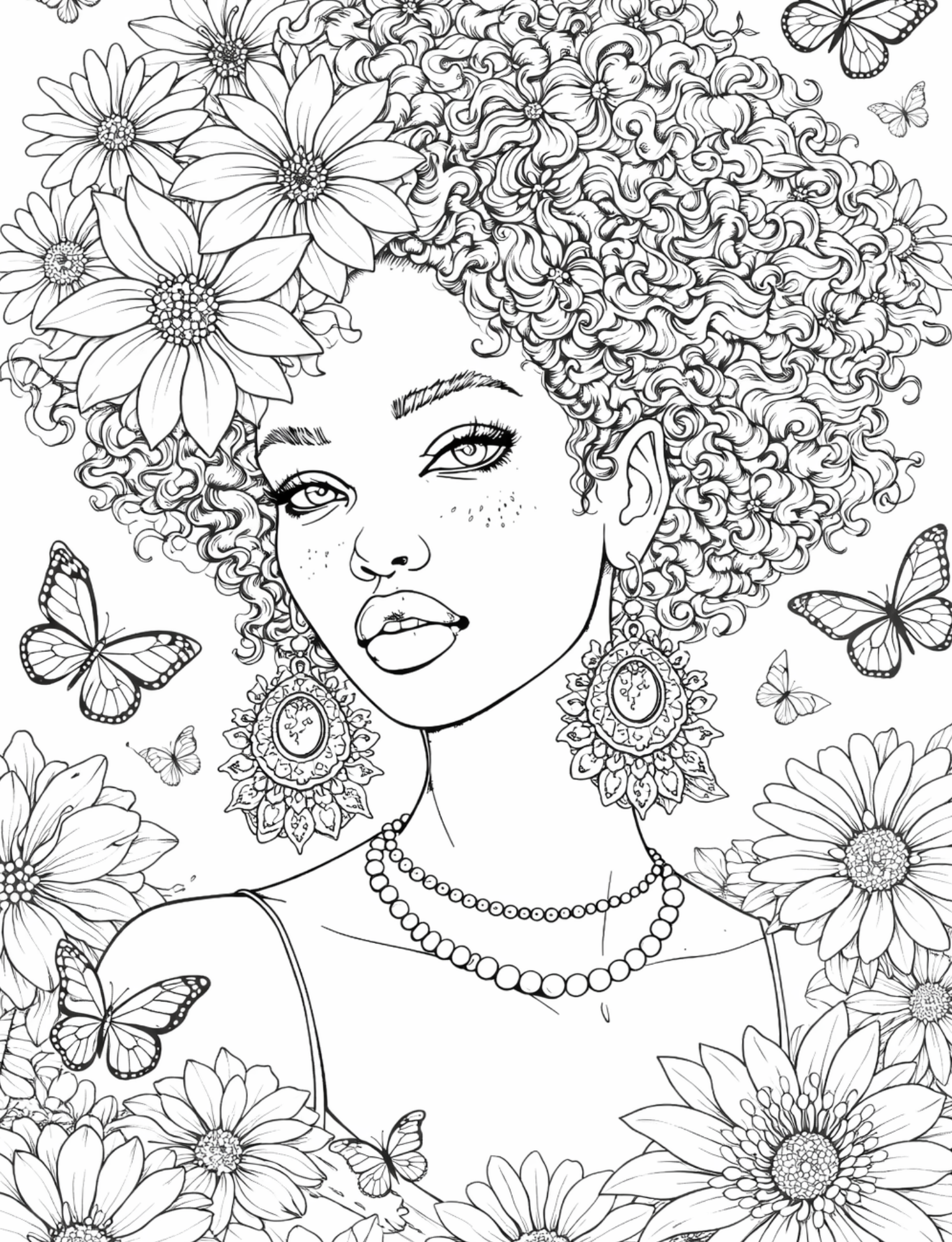
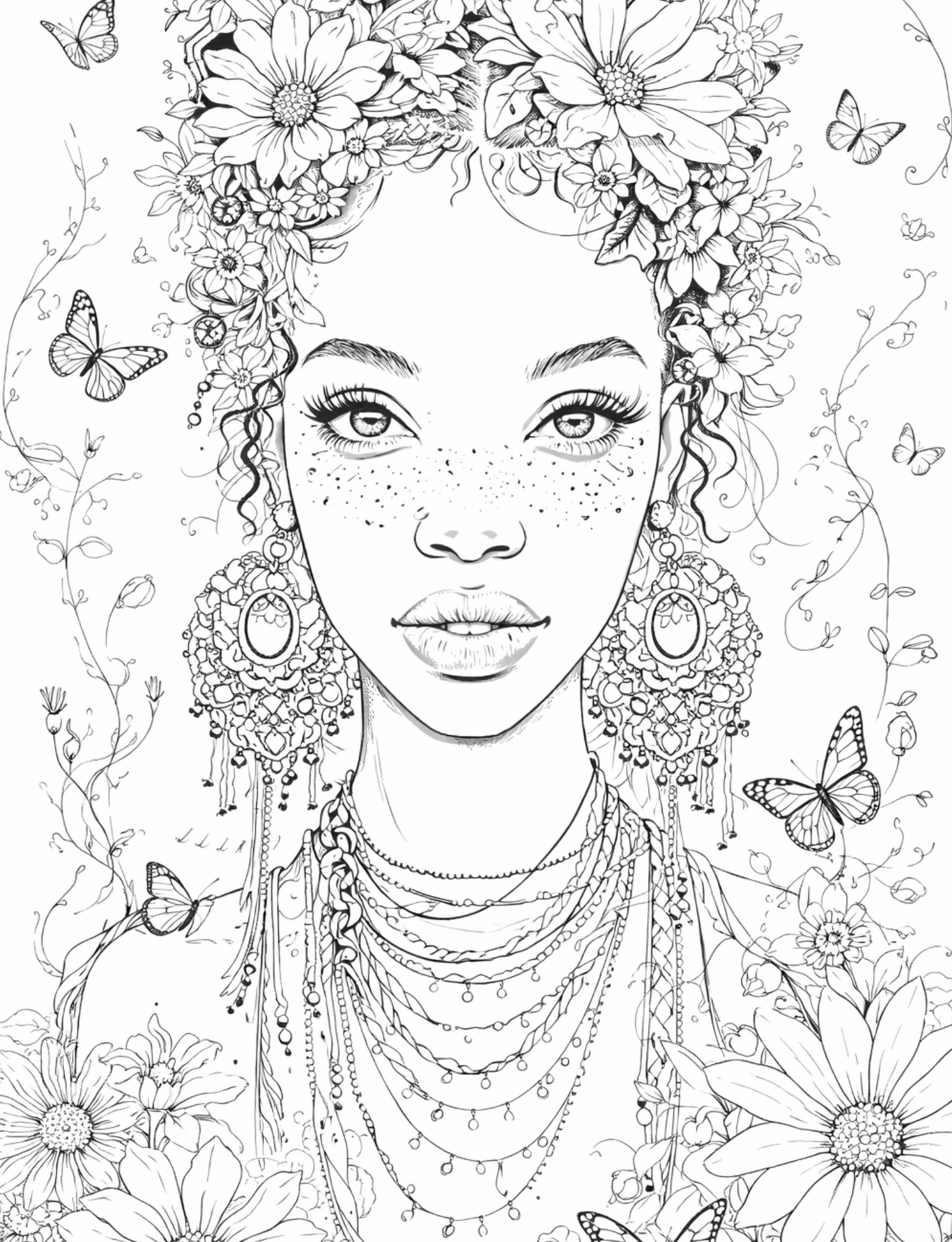
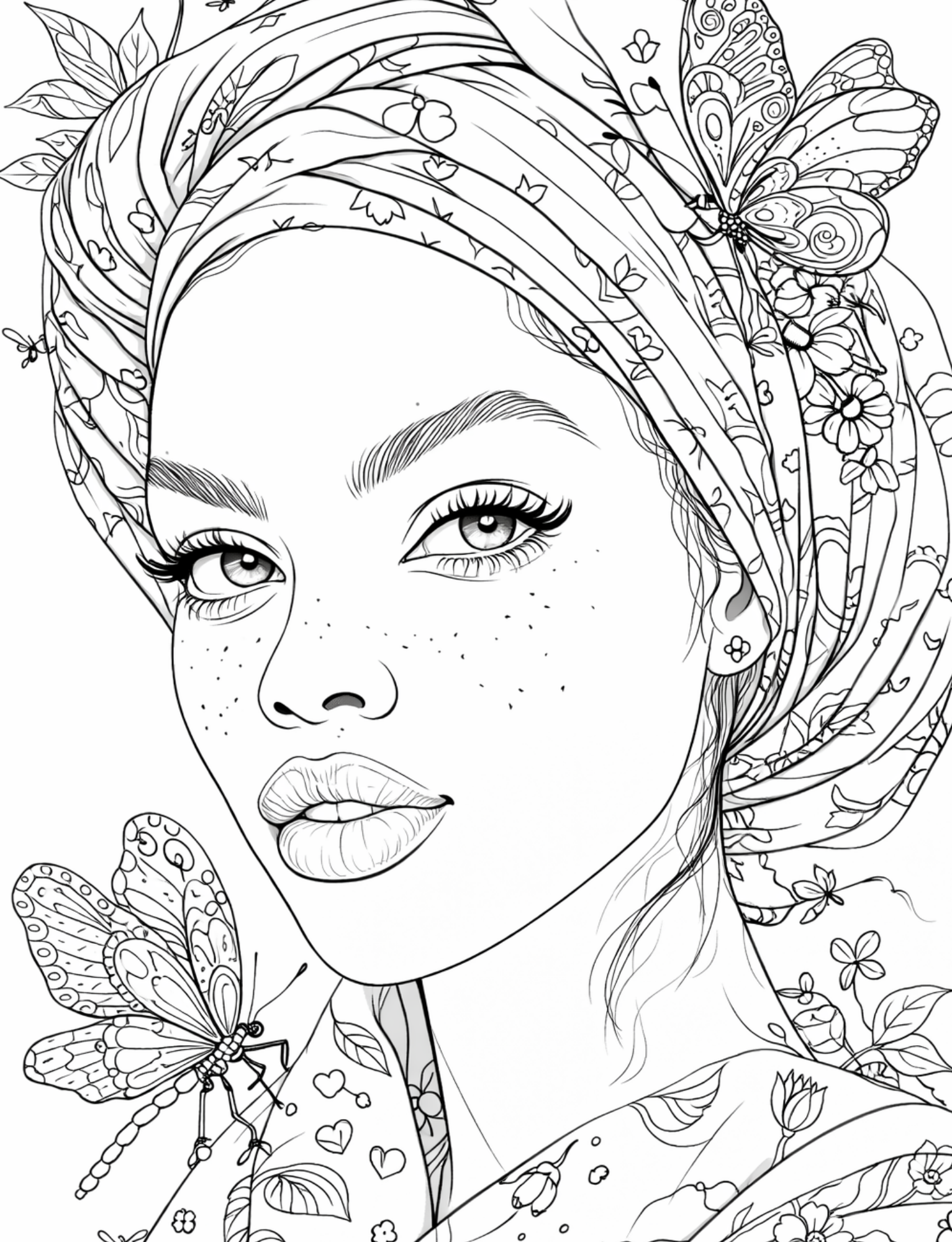
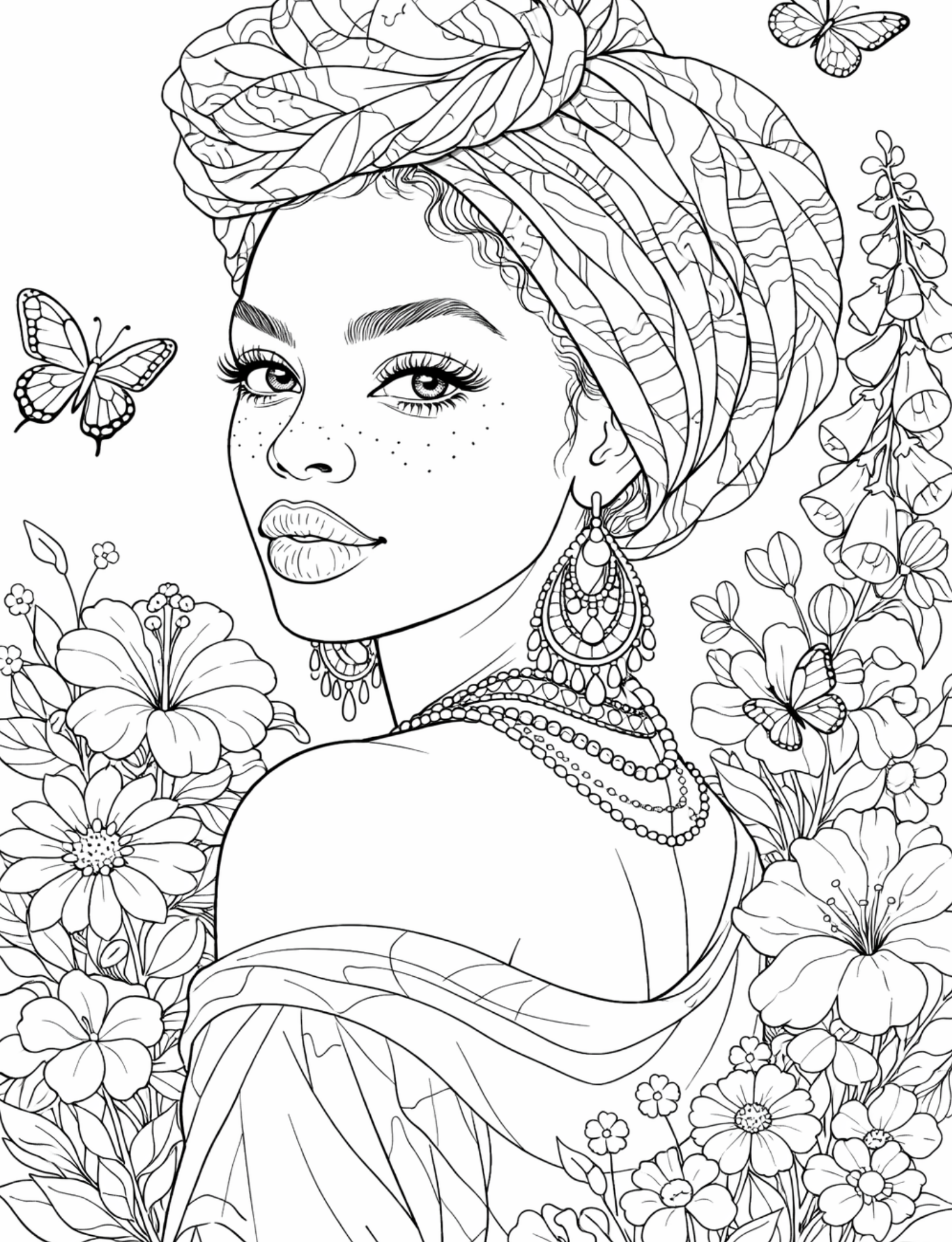
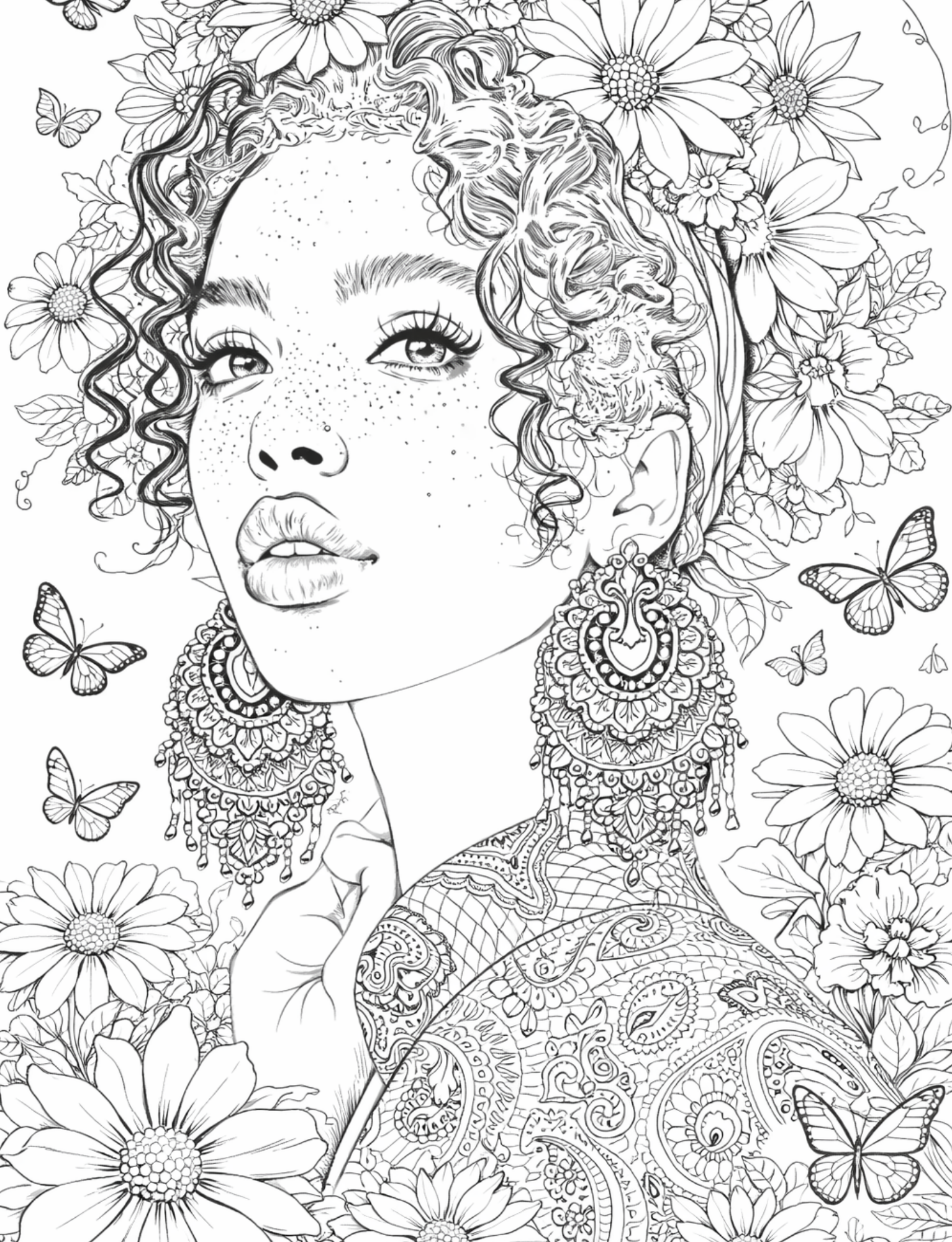
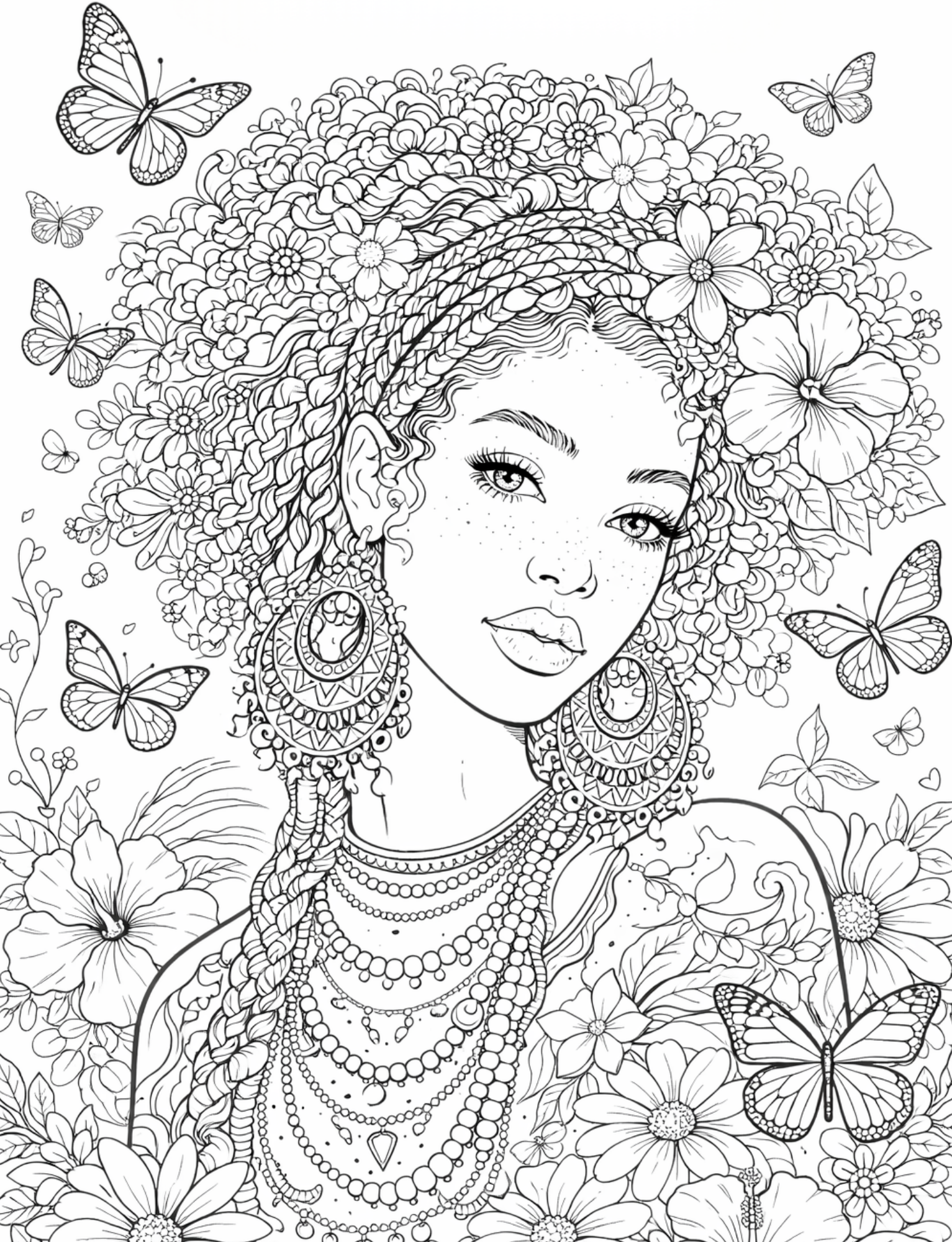
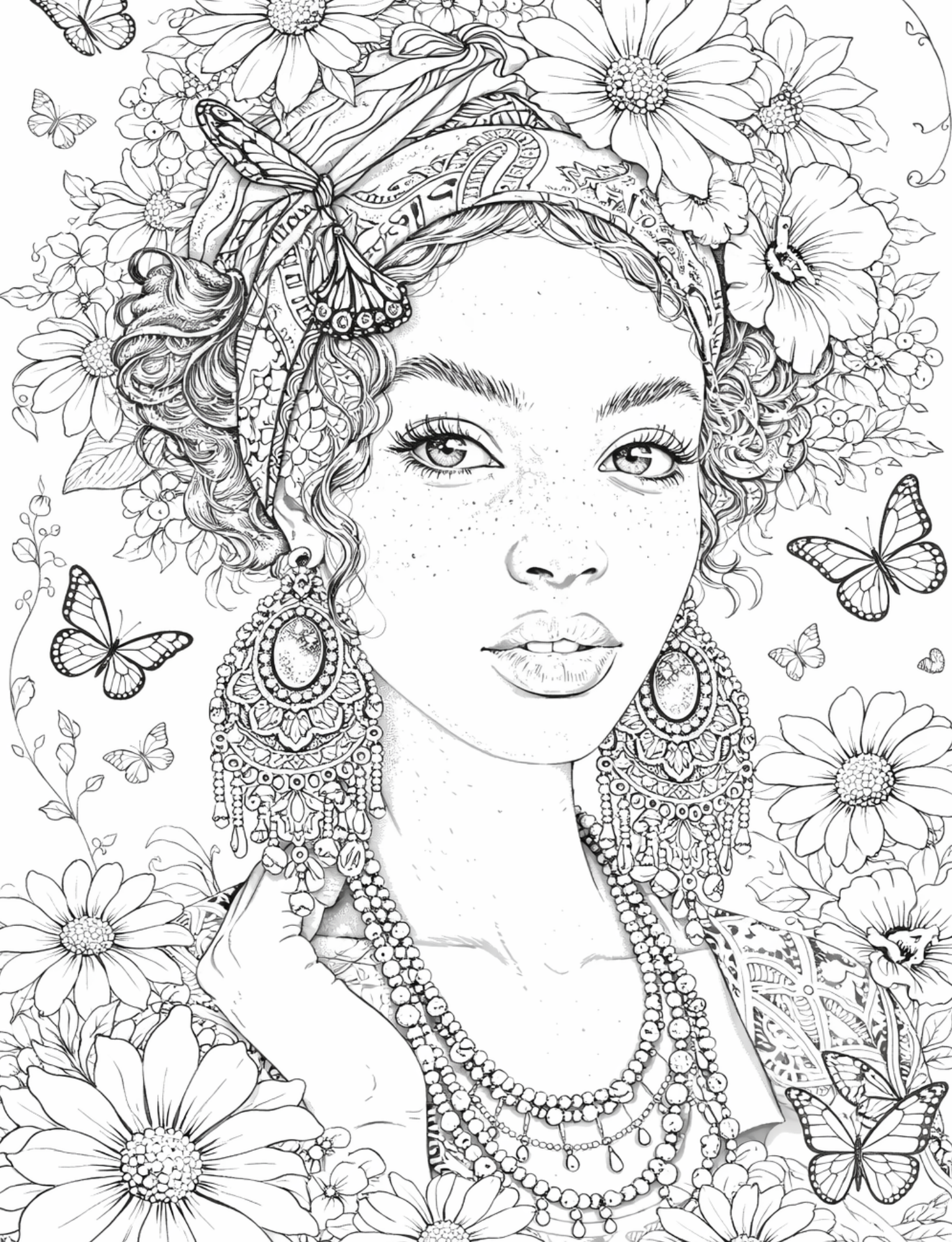
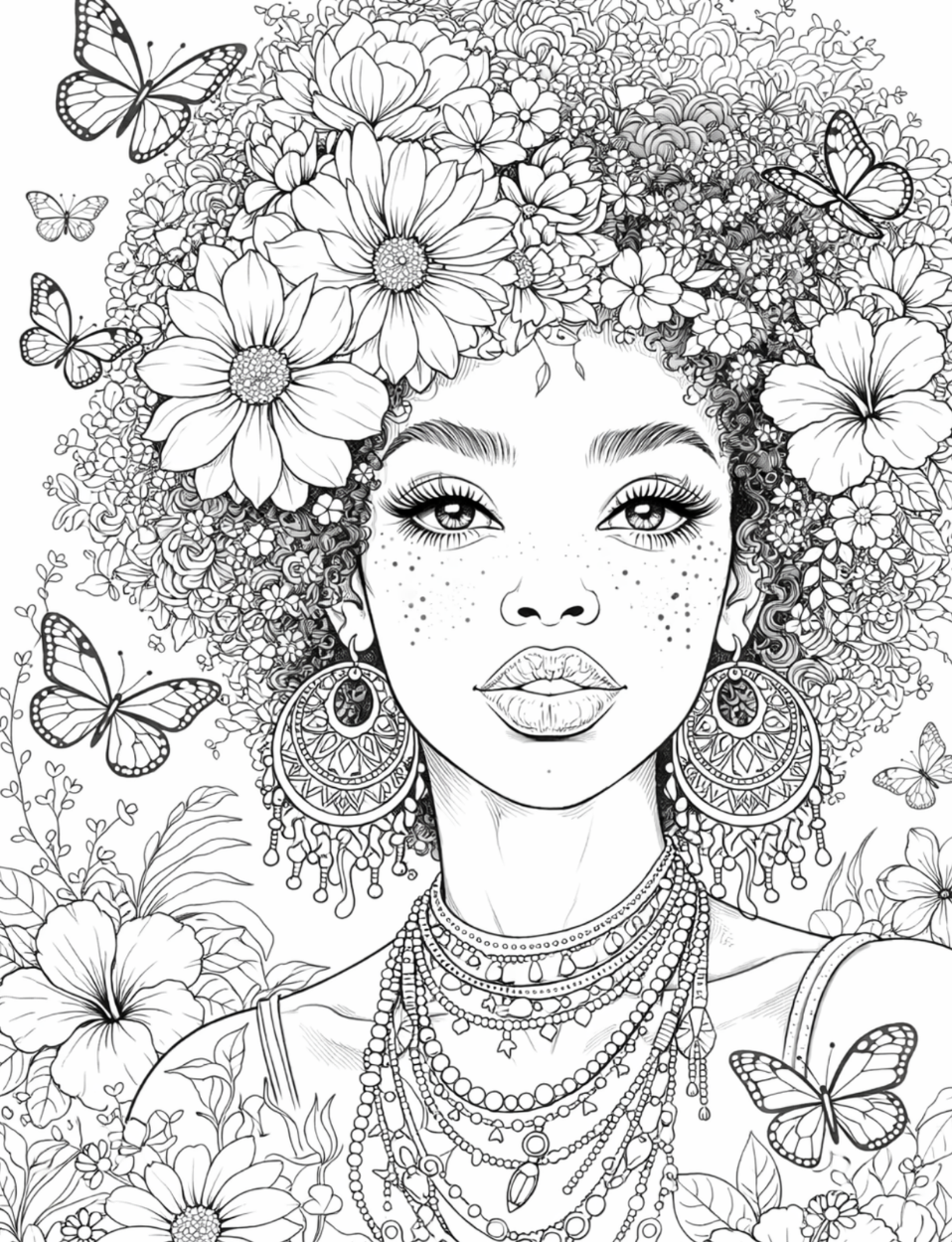
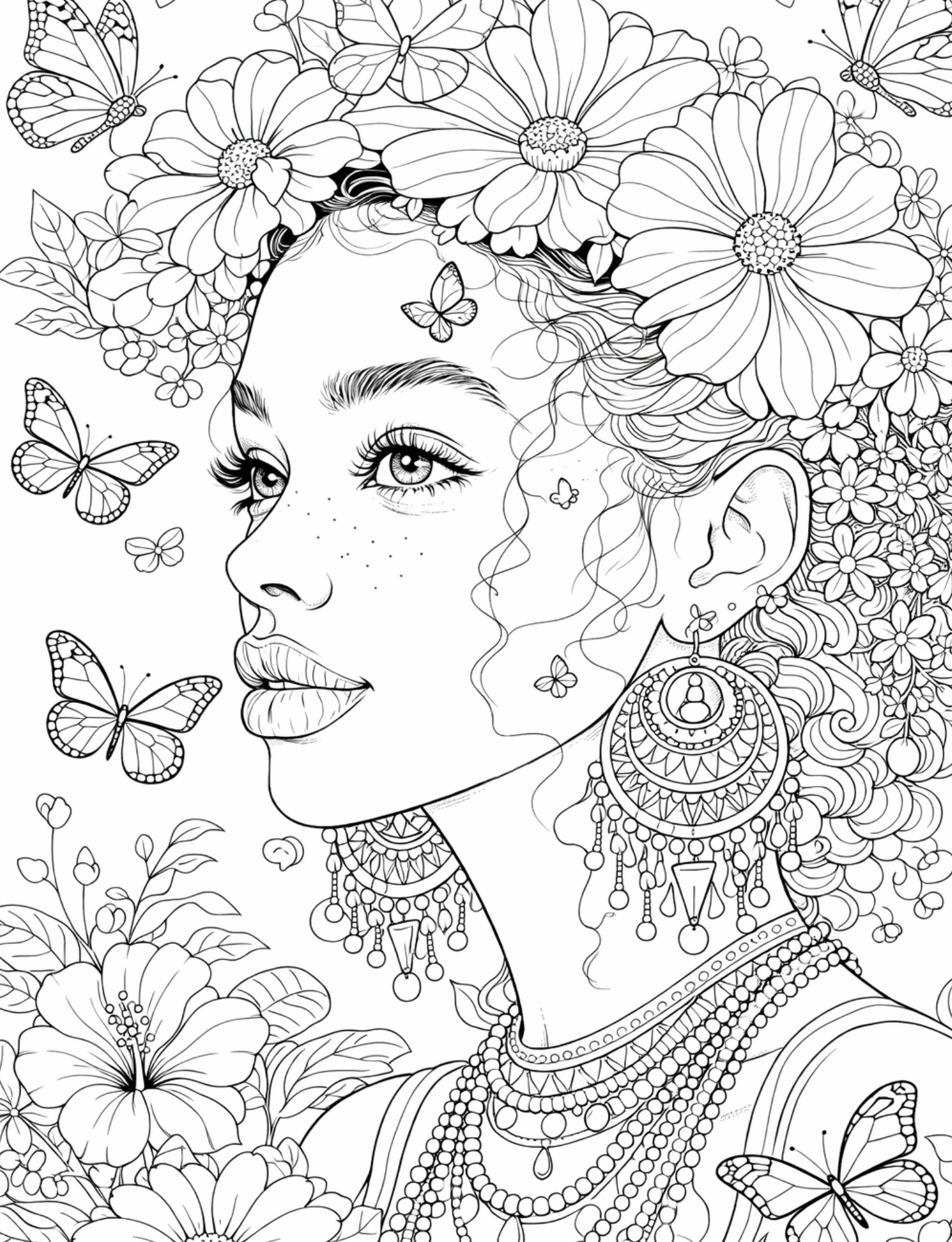
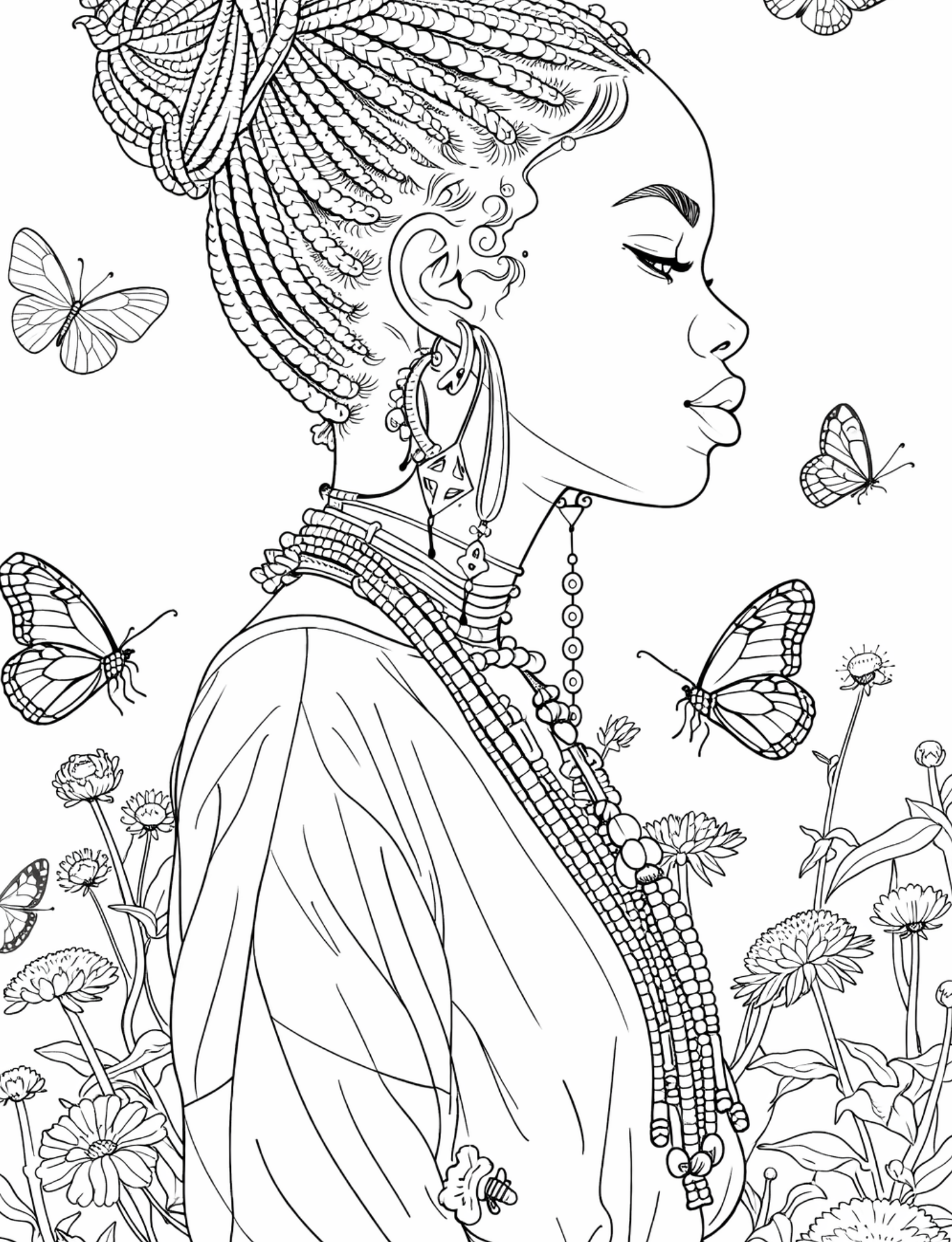
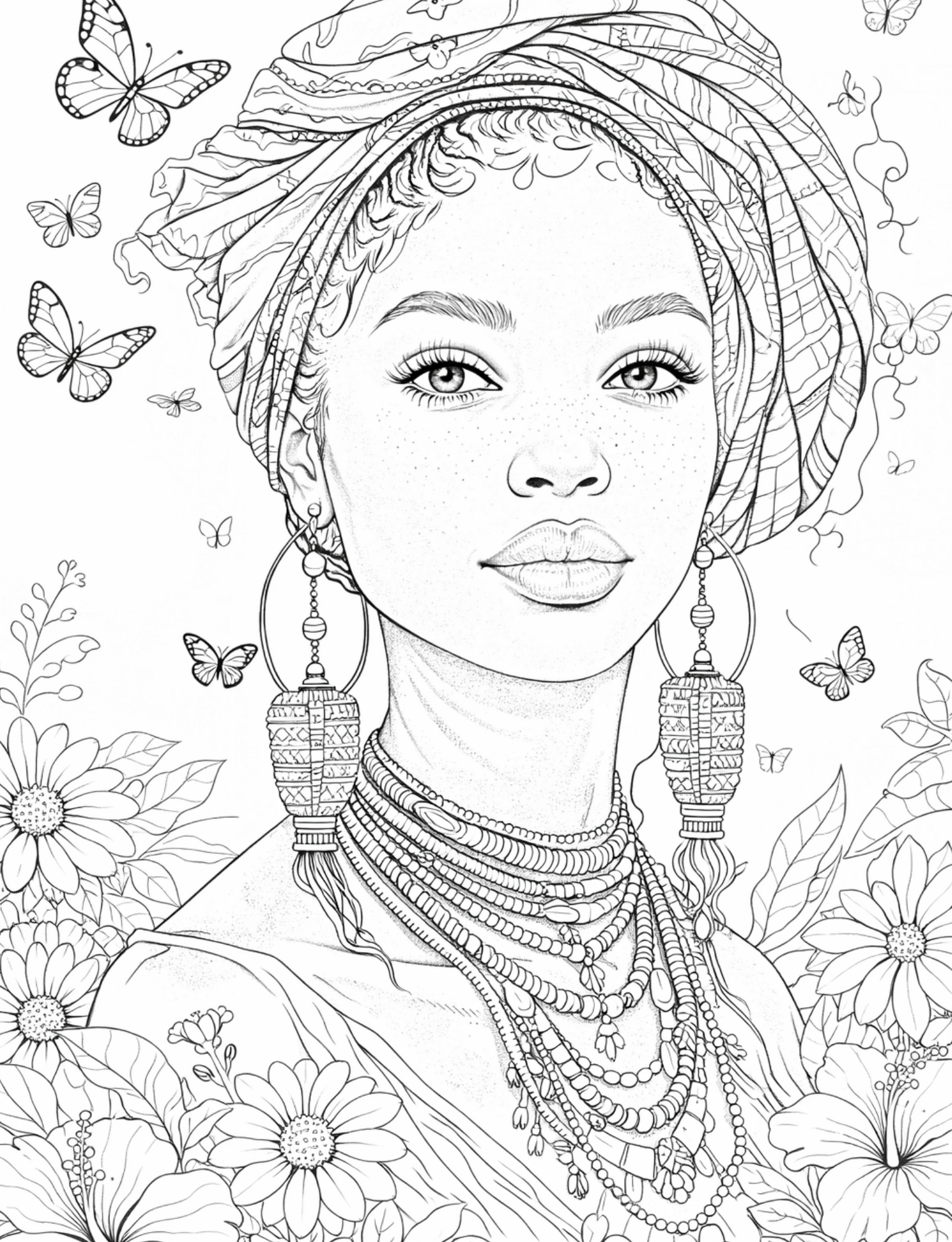
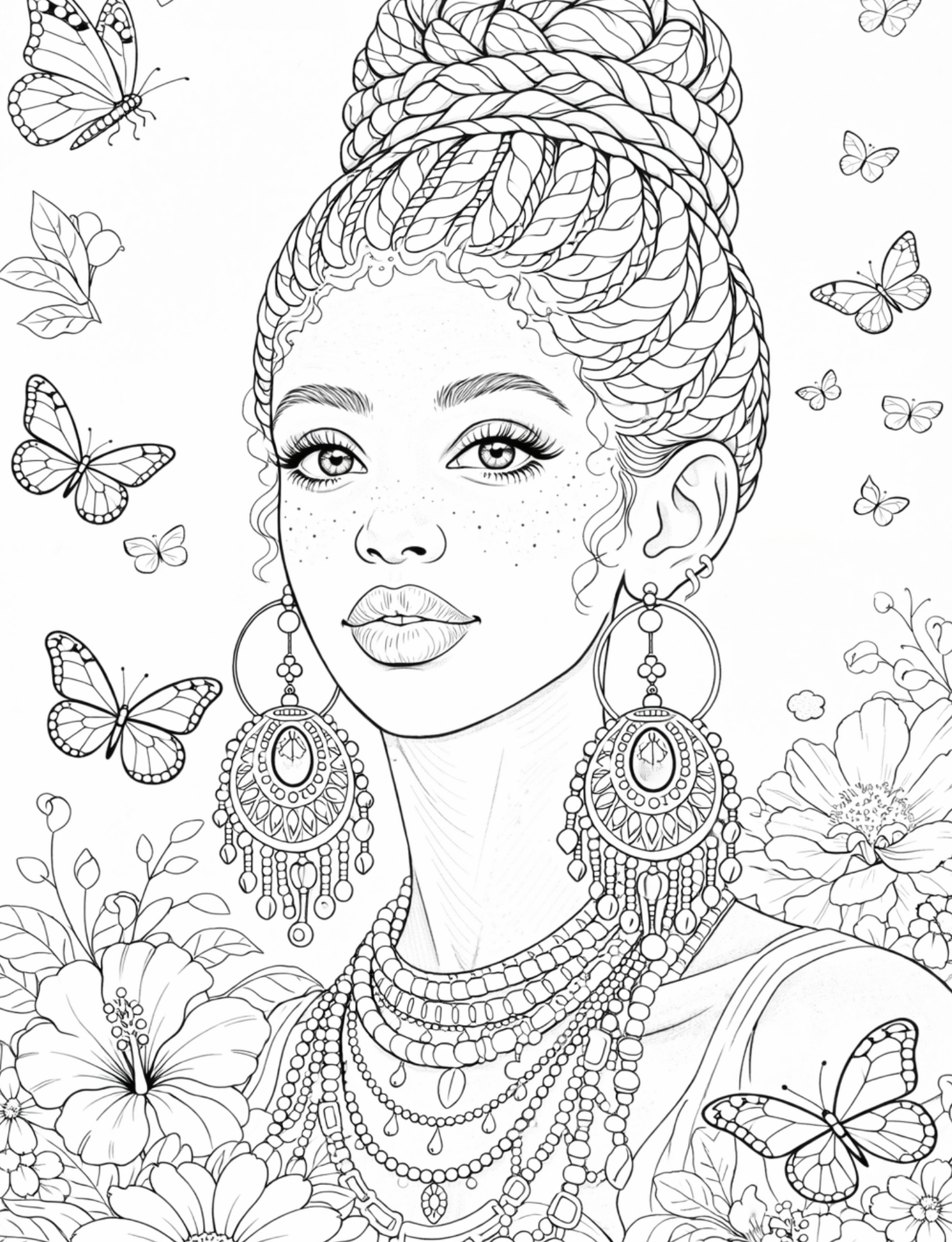
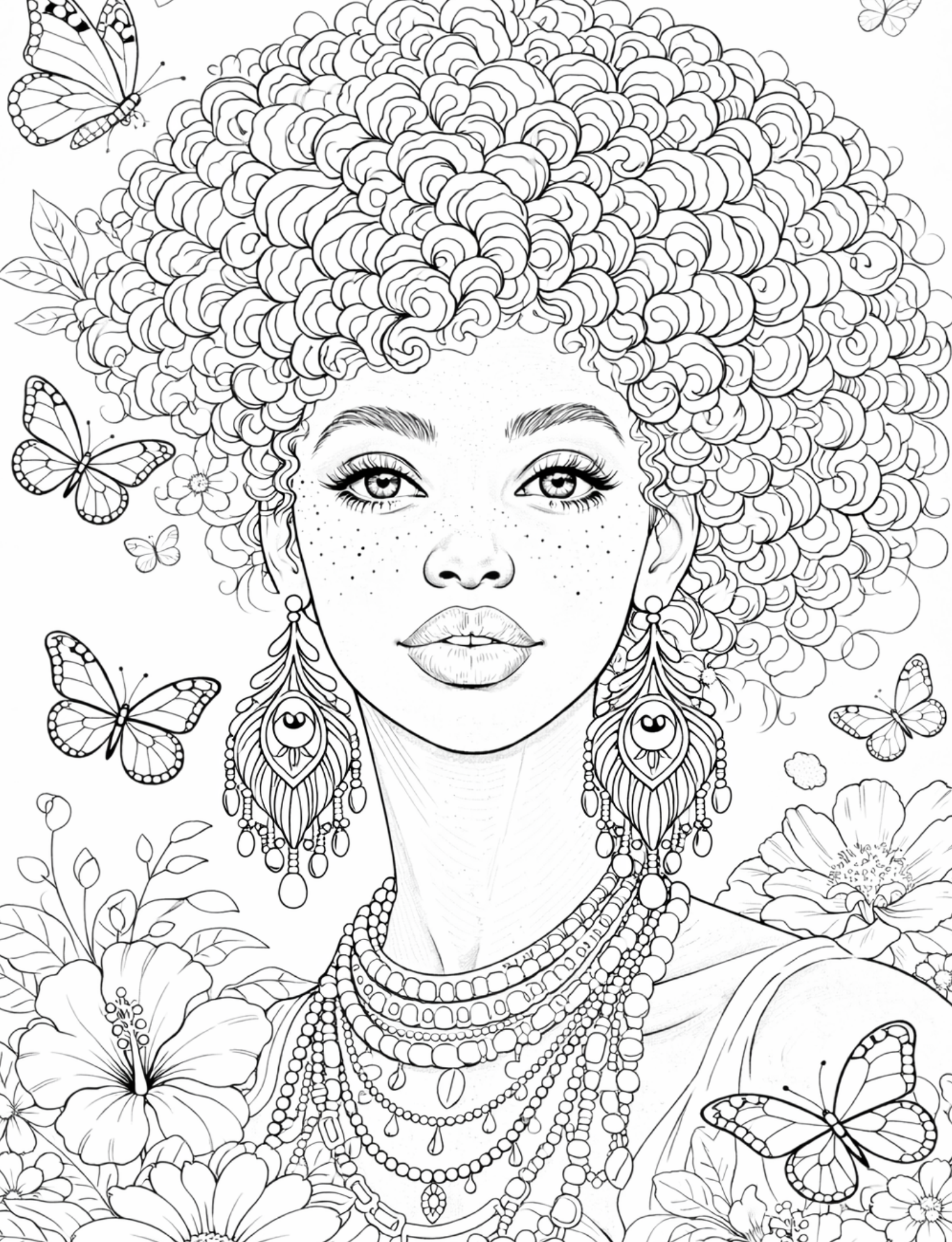
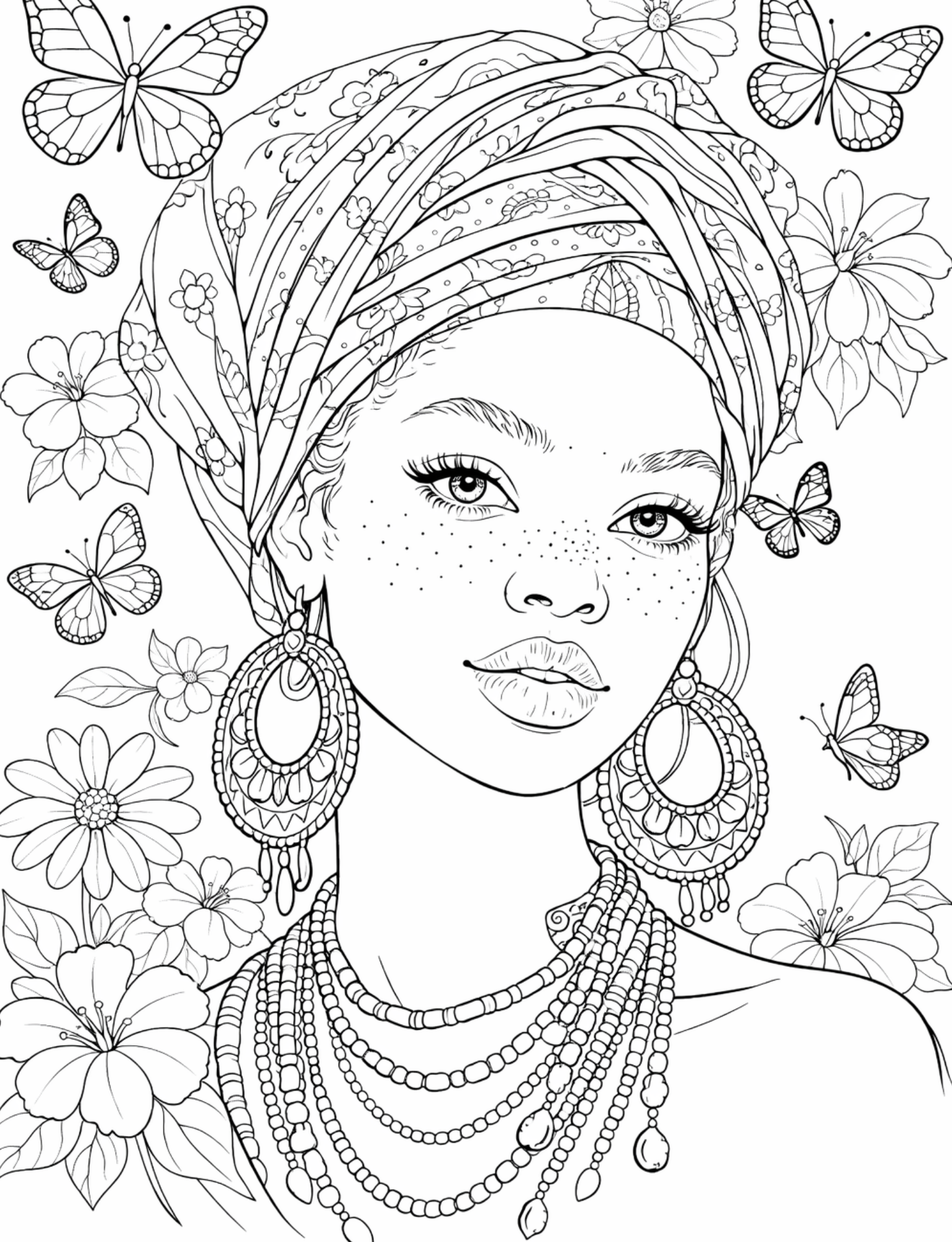
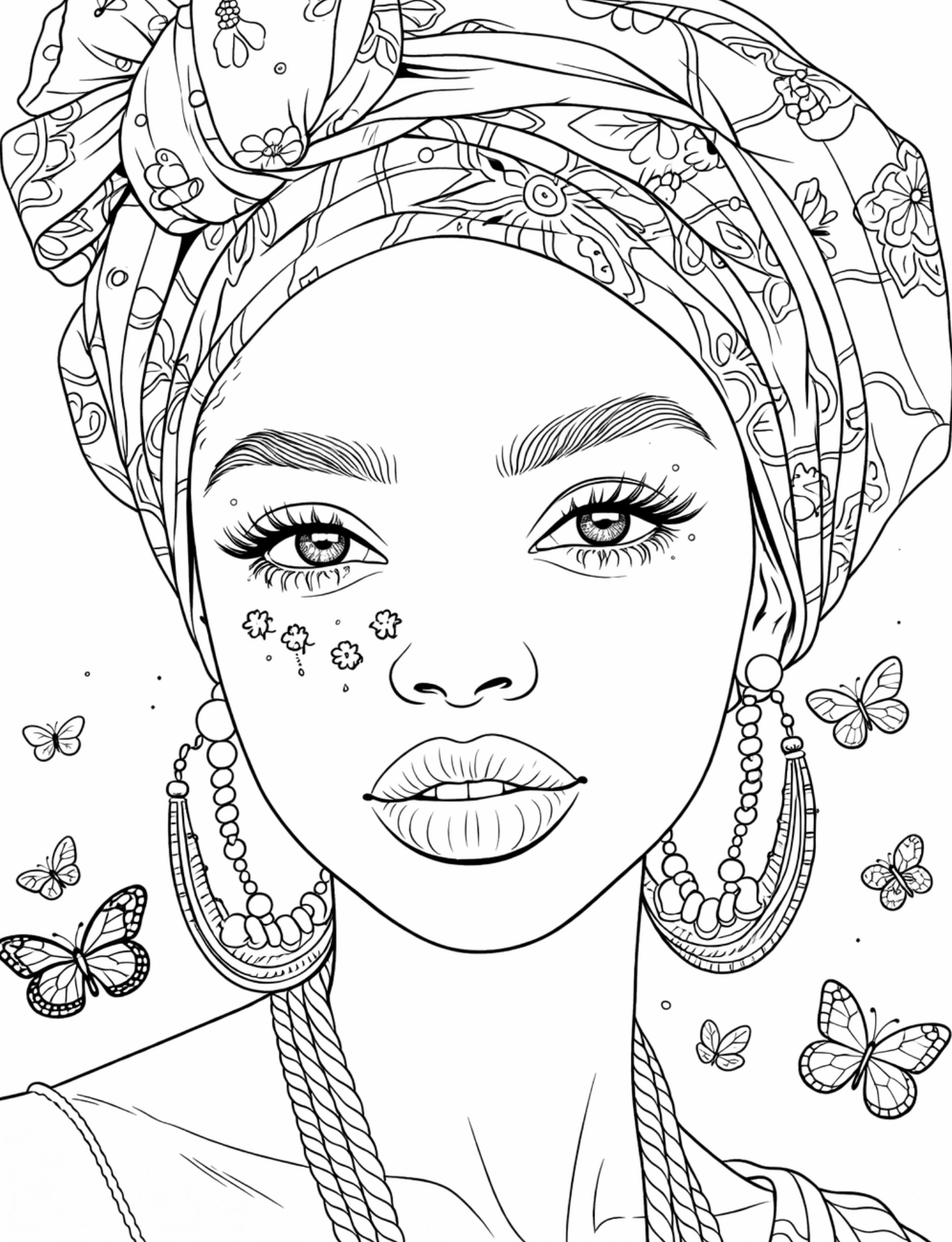
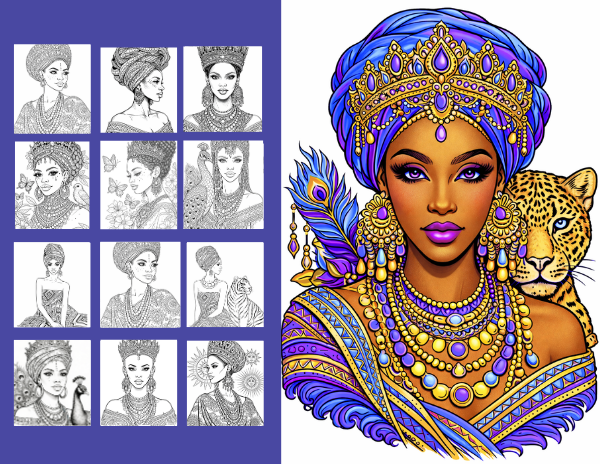
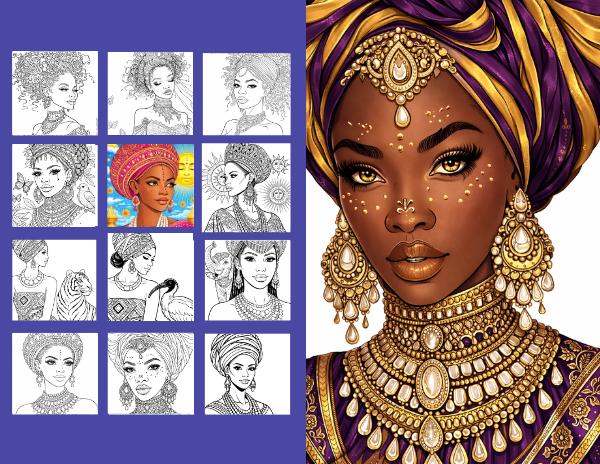
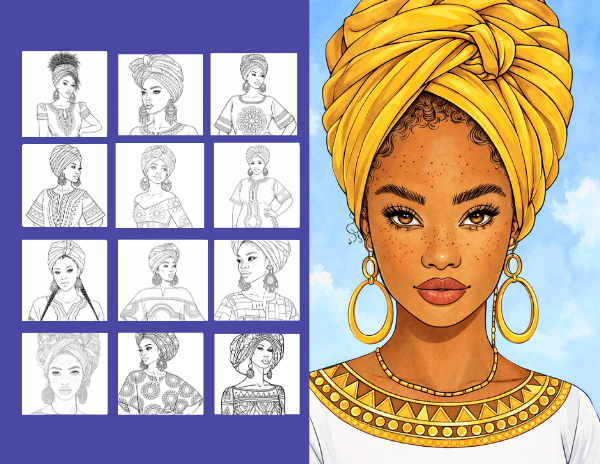
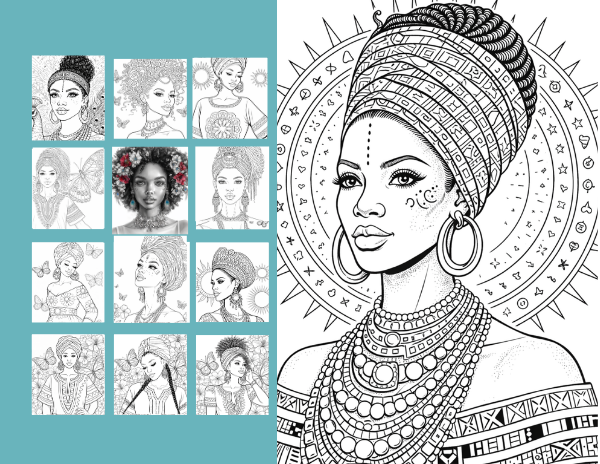
African American visual art has a rich and deep tradition — from the portraiture of Henry Ossawa Tanner and Aaron Douglas to the contemporary work of Kehinde Wiley and Amy Sherald. The Butterfly & Beauty coloring series draws from this tradition of centering Black subjects in fine art, creating coloring pages that feel connected to a cultural legacy of visual celebration.
When you color a page from this collection, you're participating in a form of artistic engagement that has cultural weight. You're not just filling in lines — you're making interpretive decisions about how to represent Black beauty, which colors best honor the portrait, how to render natural hair with care. These are the same questions fine artists ask. The coloring book format makes that creative engagement accessible to everyone.
What Makes This an Art Coloring Book, Not Just a Coloring Book
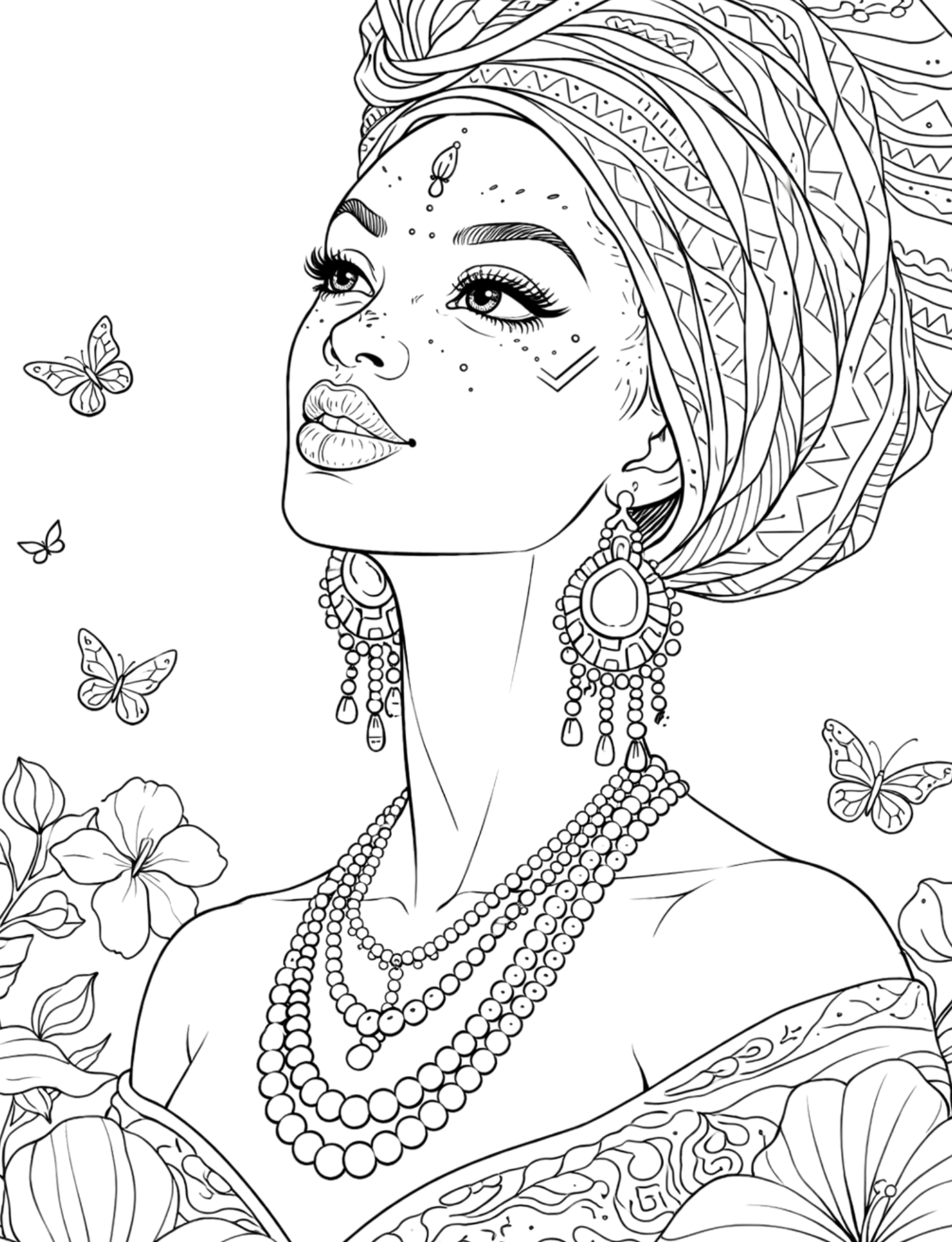
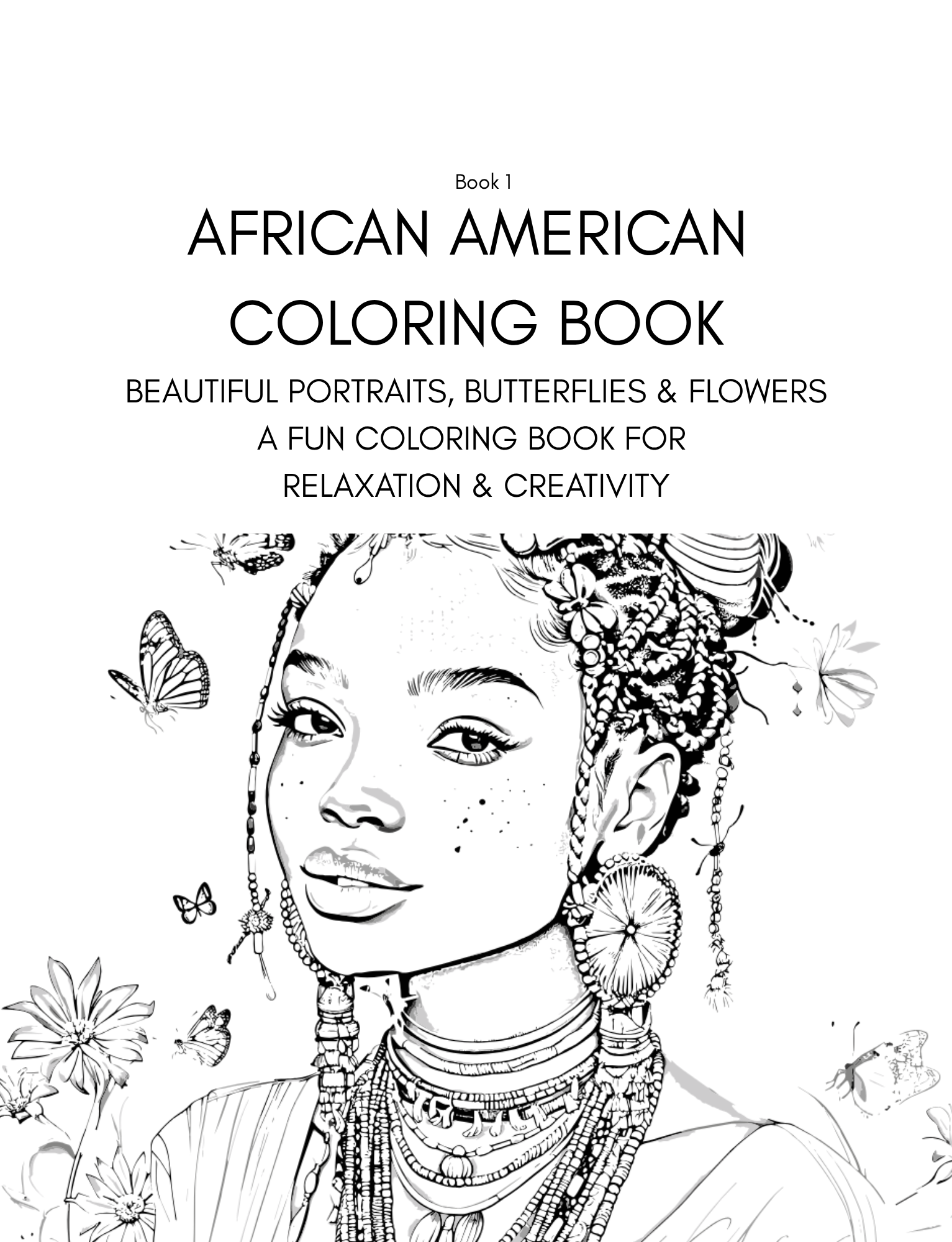
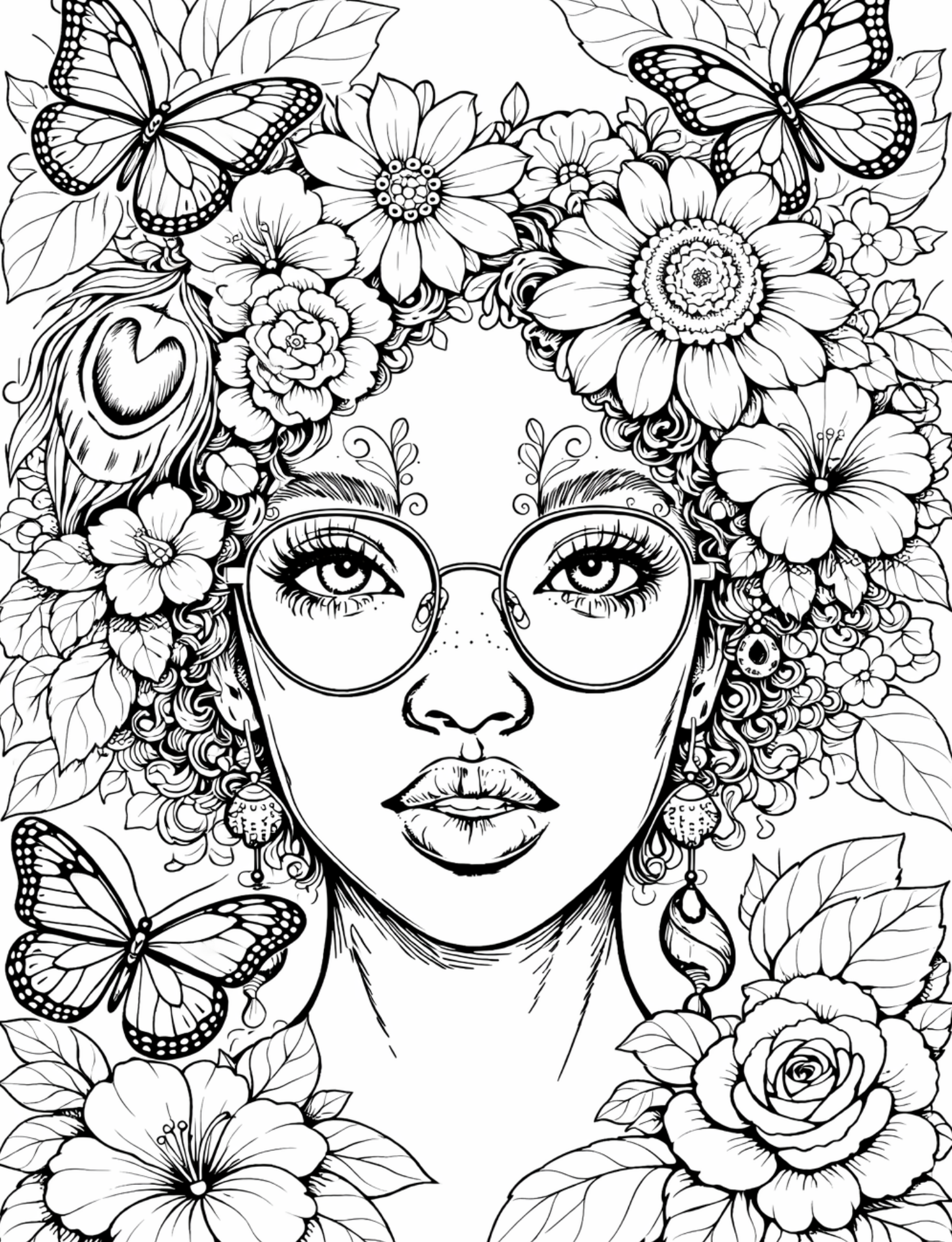
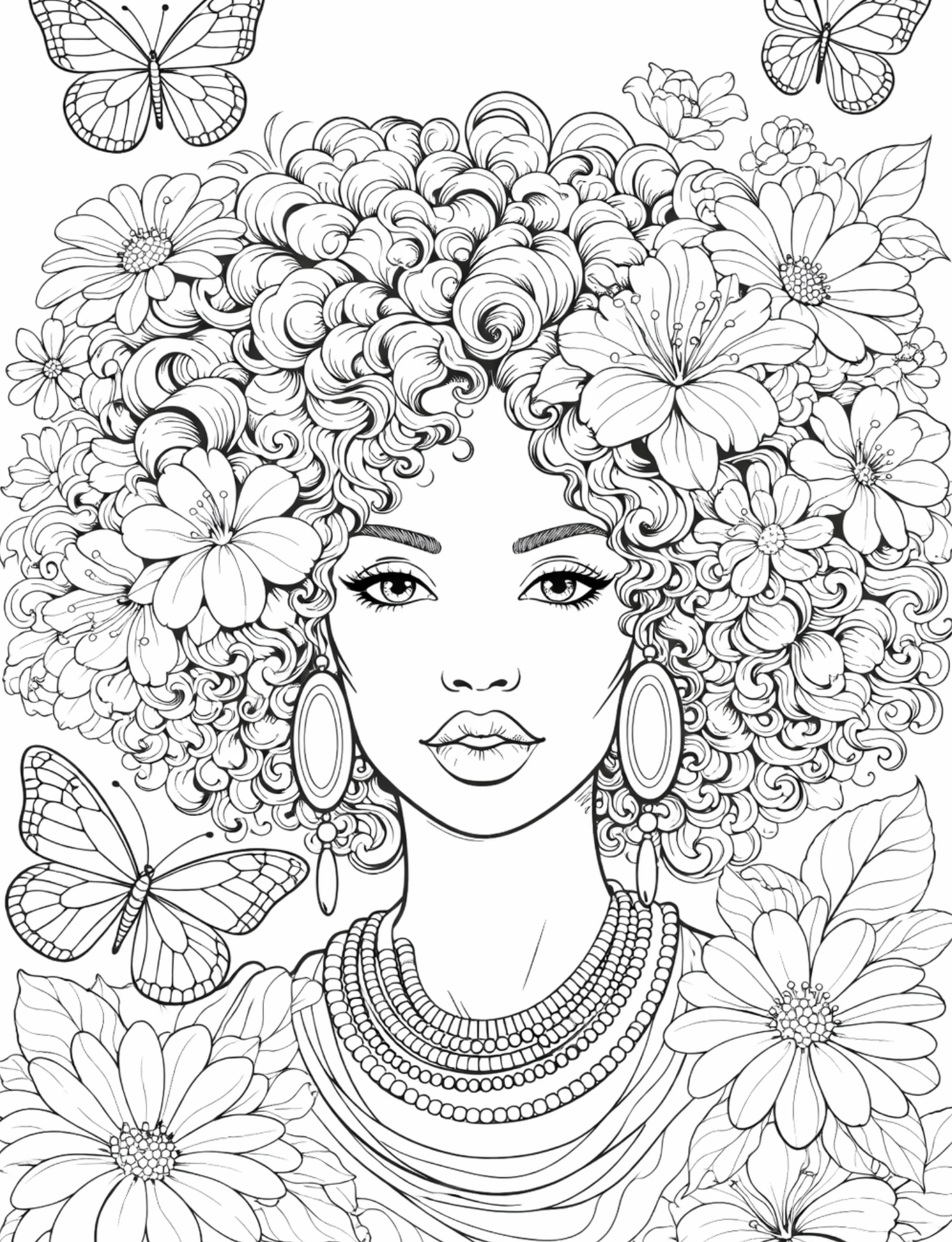
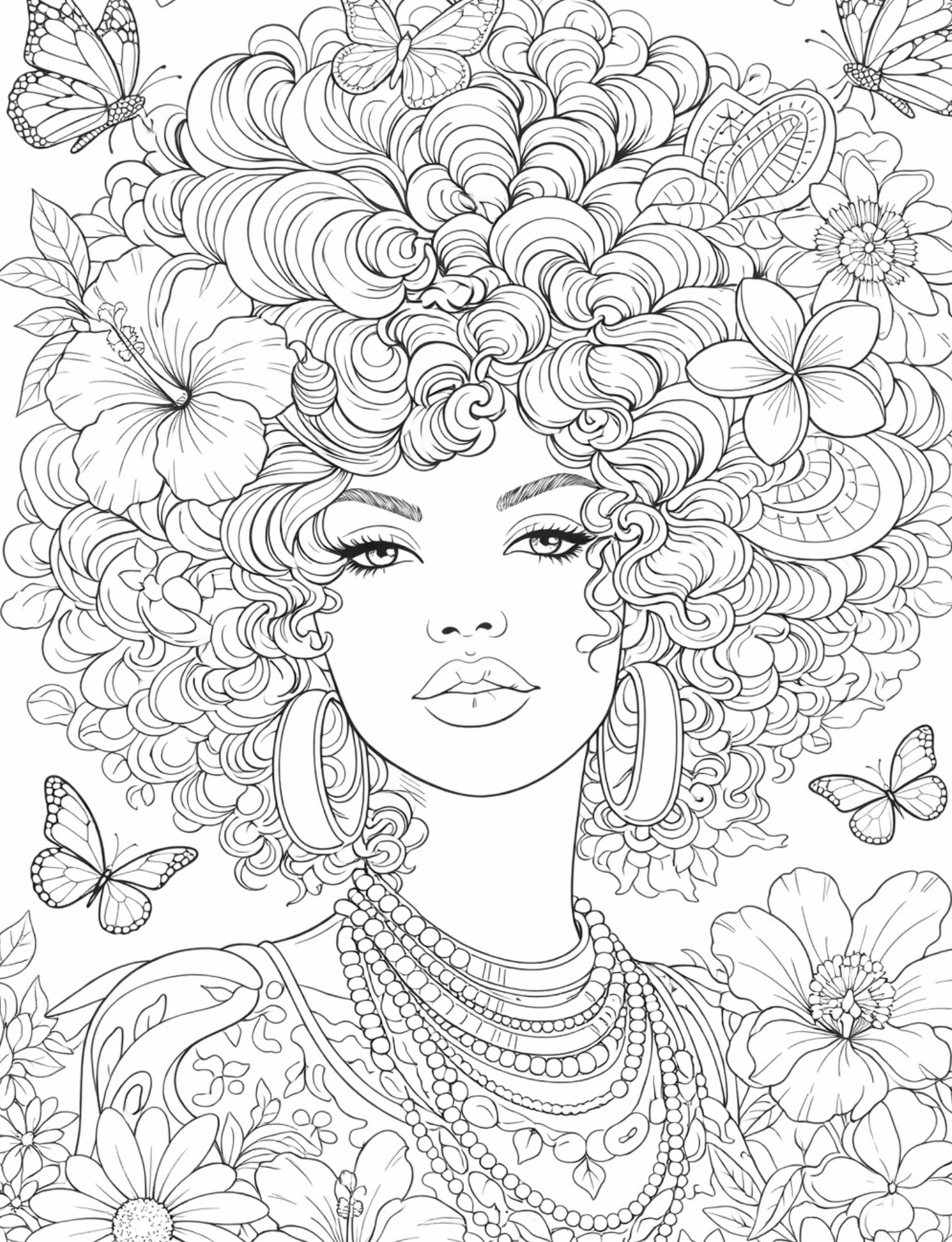
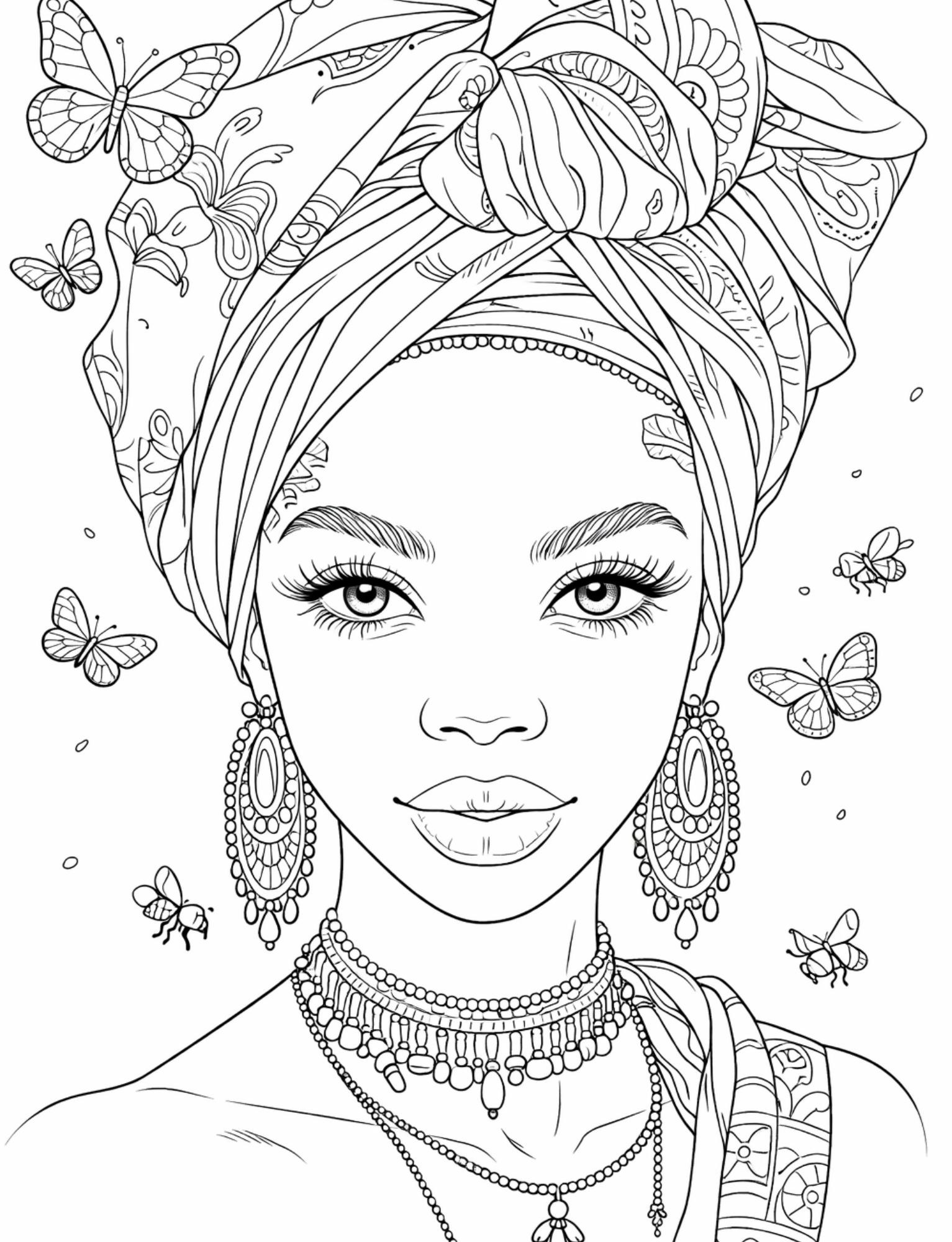
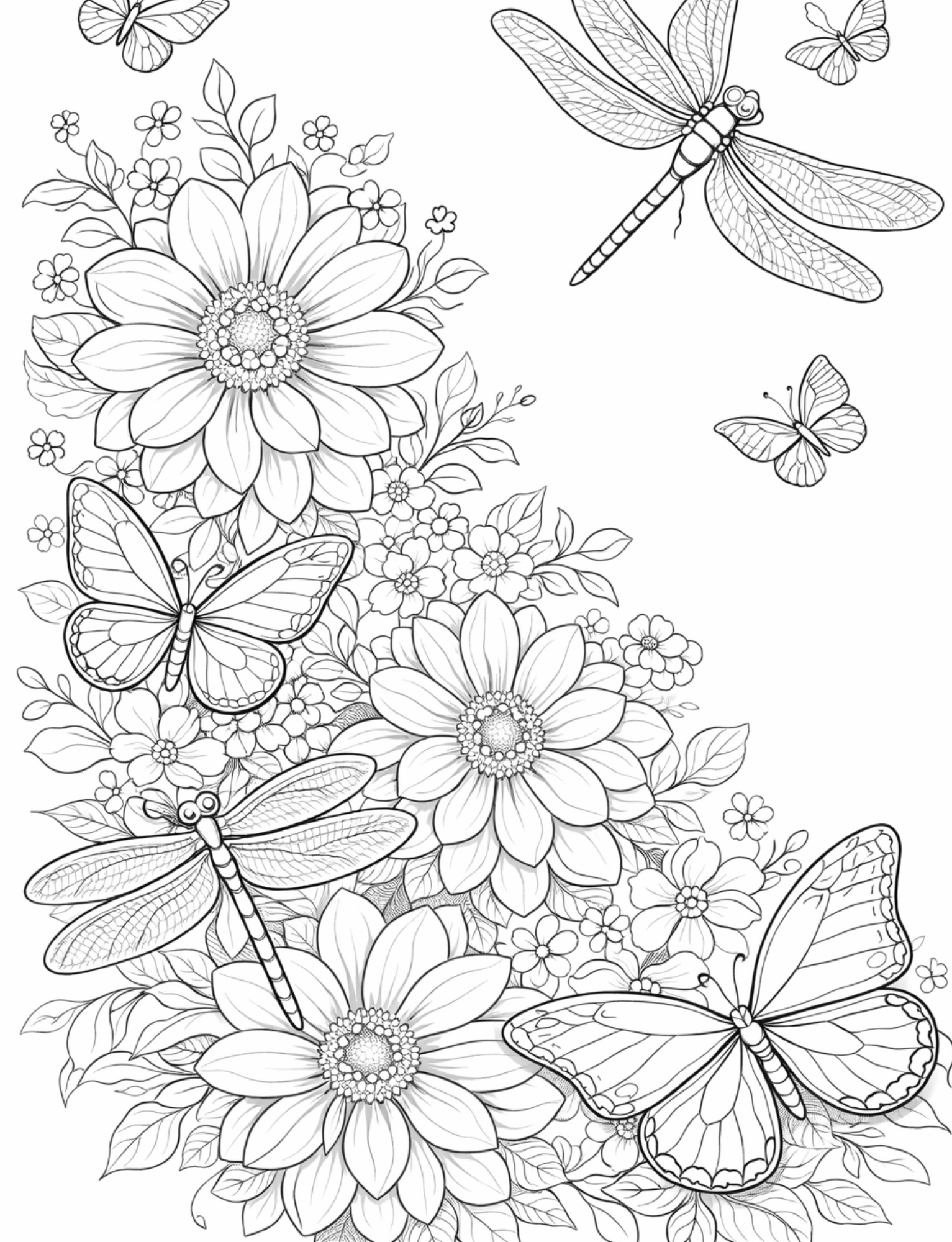
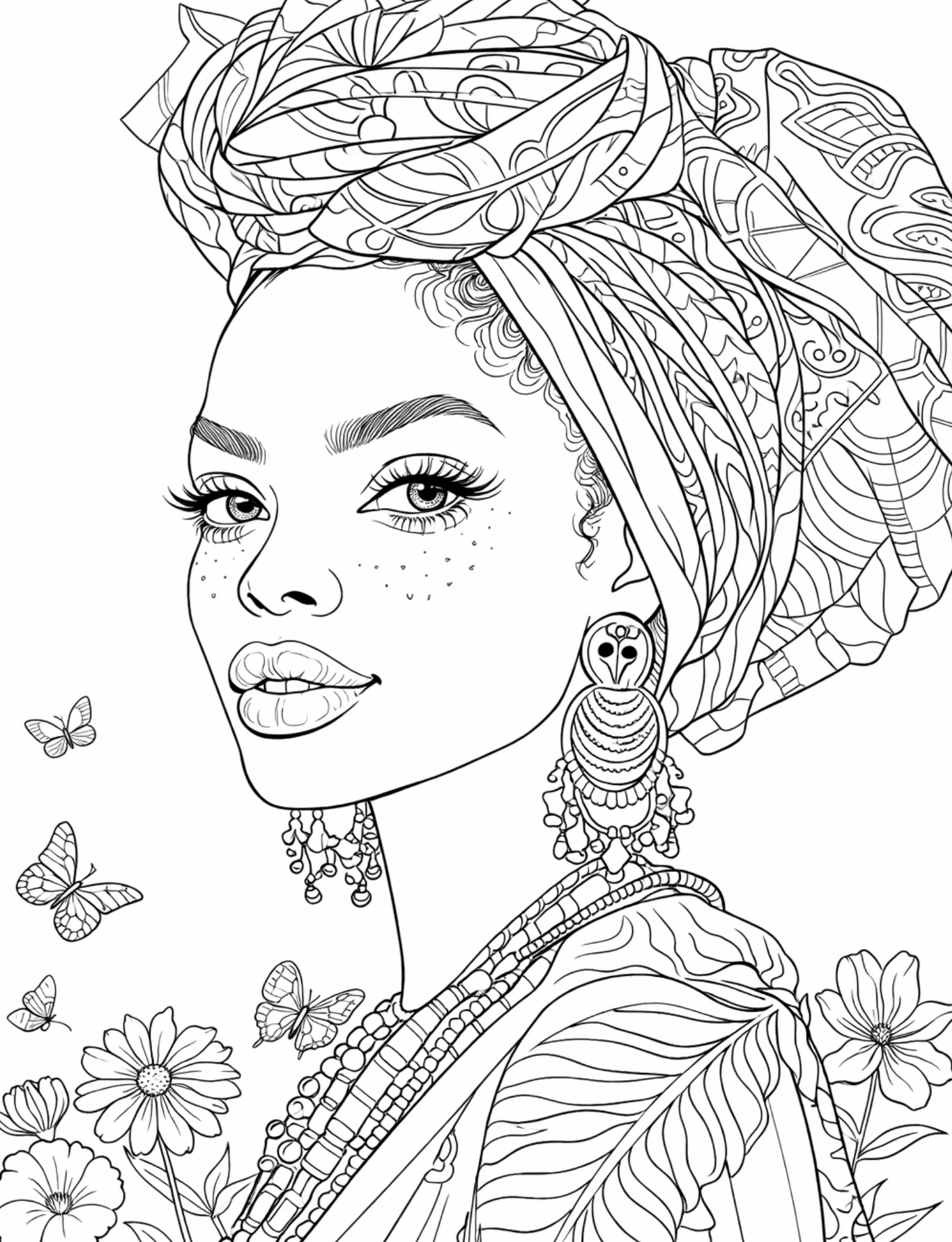
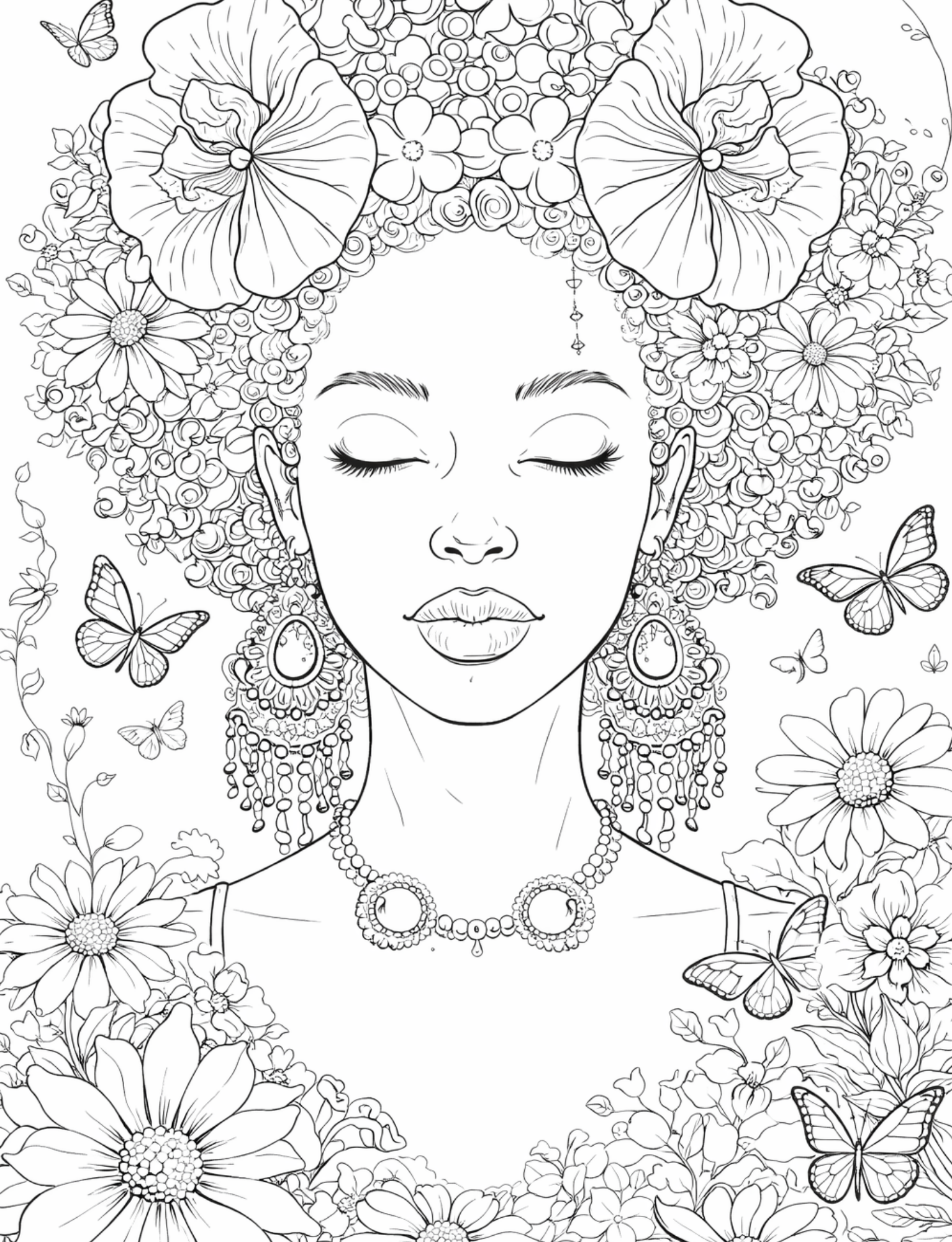
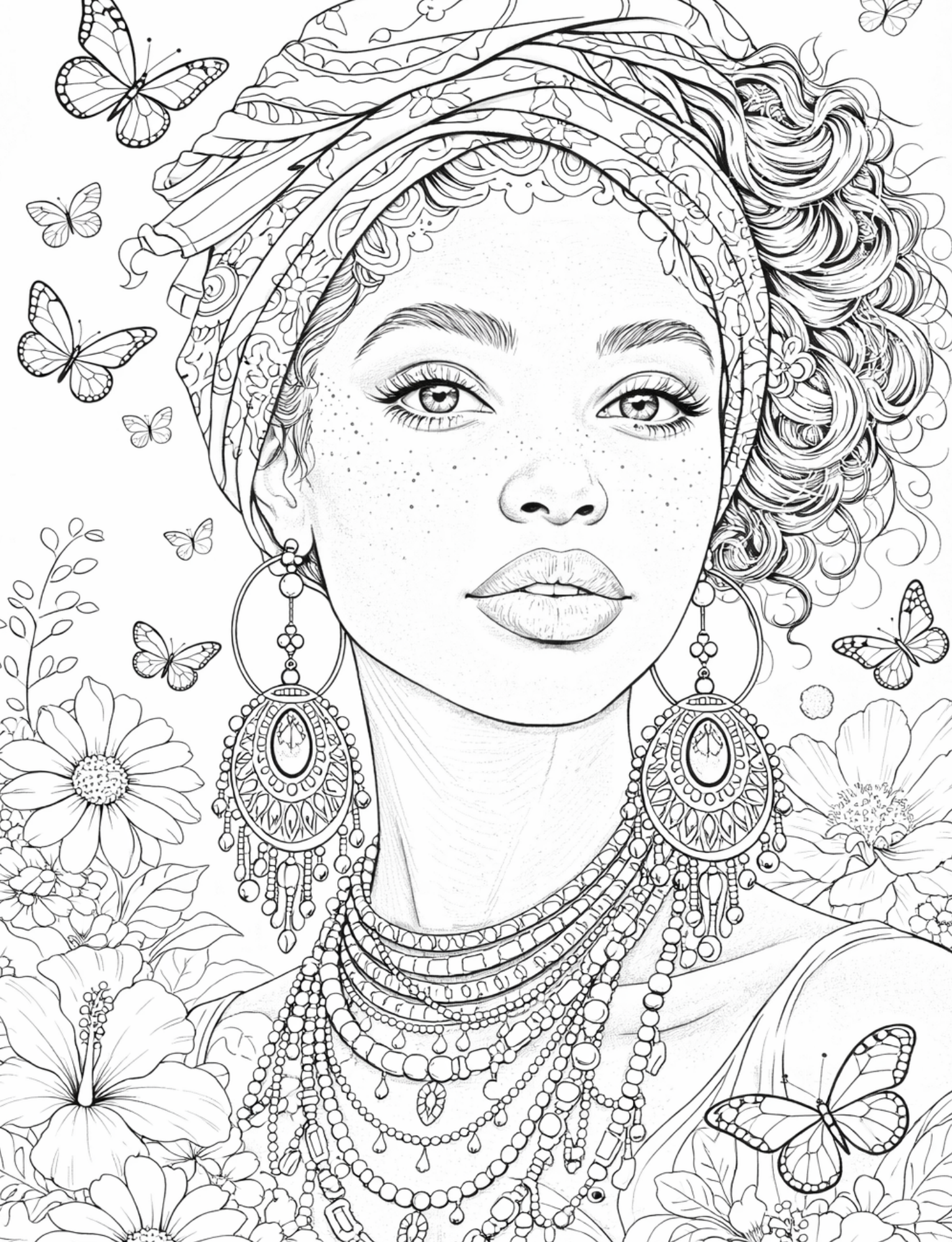
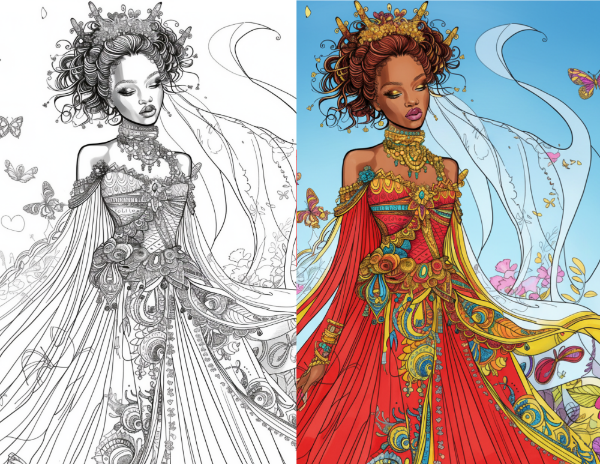
The difference between a genuine art coloring book and a standard coloring book is intention. In this collection, every page began as an artistic decision: what story does this portrait tell? How do the butterfly elements interact with the woman's presence? What does the floral composition communicate about beauty and growth? These questions inform every line, creating pages that have compositional integrity rather than just decorative pattern.
The result is pages that reward artistic engagement rather than simple filling-in. The more carefully you approach these pages — planning your palette, studying the composition, making intentional choices about where light falls — the more the art quality of the underlying design reveals itself. These pages grow with your skill as a colorist.
Bringing African American Portrait Art to Life With Color
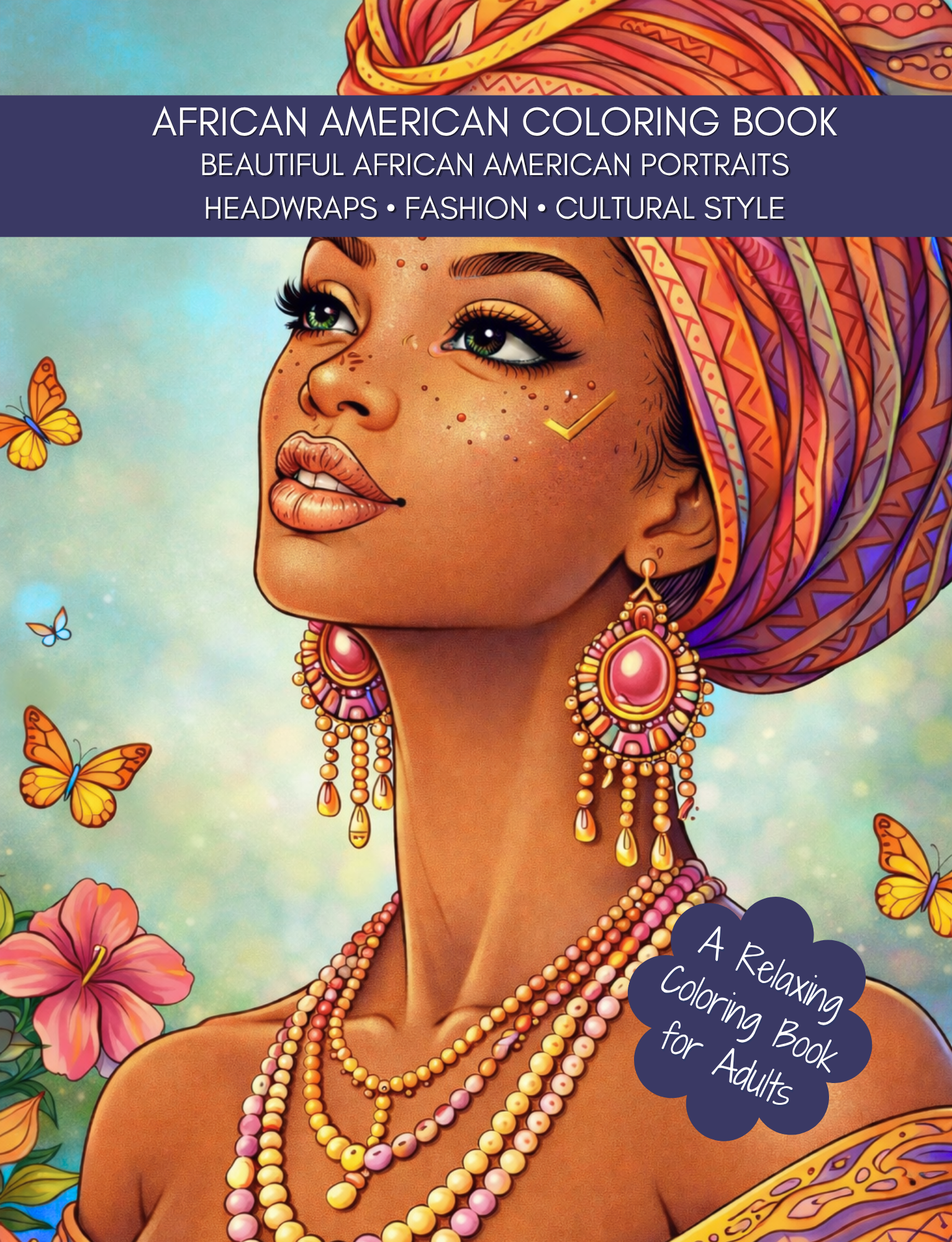
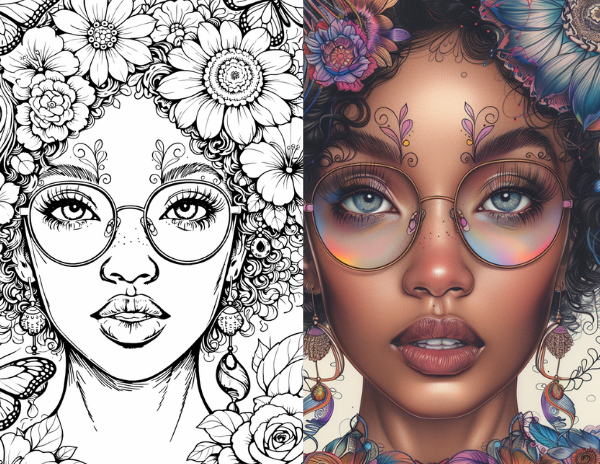
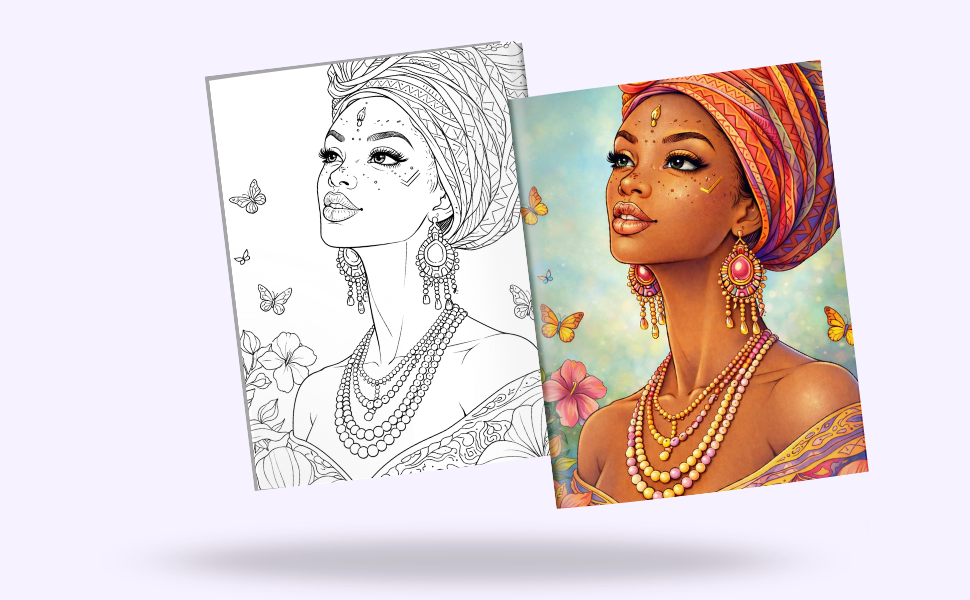
Coloring a portrait is a conversation with the artist who drew it. Your color choices are interpretive decisions: what time of day does this scene take place? What mood does the skin tone communicate? Are the flowers warm and celebratory or cool and serene? Every decision changes the emotional character of the finished piece. This is what separates portrait coloring from pattern coloring — the presence of a subject who has presence.
For maximum artistic impact, start by studying the page before you pick up a single pencil. Identify where the light source is implied by the line shading. Plan your skin tone range from lightest highlight to deepest shadow. Choose a color story for the floral elements that complements rather than competes with the portrait. Then work slowly, from lightest to darkest, building the painting over multiple sessions if needed. The investment of time and care produces finished work that genuinely looks like art.
Displaying Your Completed African American Art Pages
Completed pages from this collection display beautifully. The portrait format is ideal for framing — standard 8x10 or 8.5x11 frames work perfectly for printed pages. For the most polished presentation, use an archival-quality frame with UV-protective glass to protect your coloring investment. A matted frame with a white or cream mat gives the finished page a gallery-quality presentation.
Some colorists create a rotating gallery wall of their best completed pages — swapping out frames seasonally or as they complete new favorites. Others keep a portfolio binder of completed work as a record of their artistic development. Photographing completed pages and sharing them on social media is another way to celebrate the work — many artists in the coloring community share their completed pages on Instagram and Pinterest, building connections around shared appreciation of the art.
The Cultural Significance of This Collection
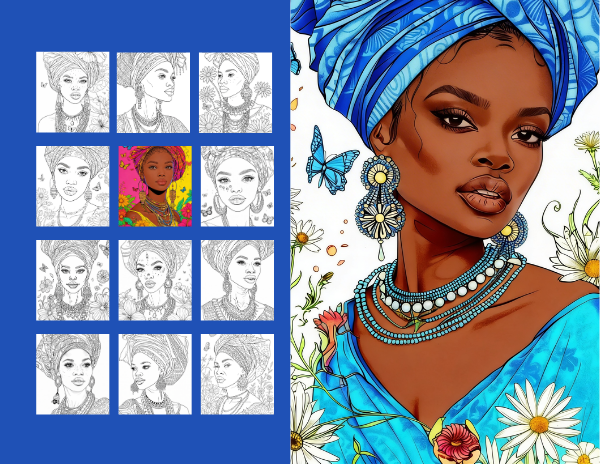
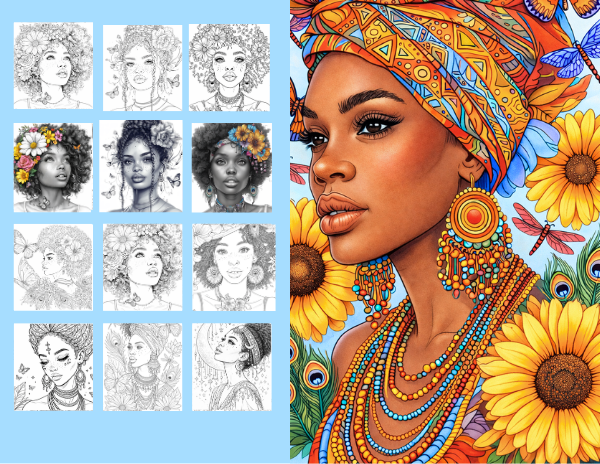
BE Designs & Creative Publications created the Butterfly & Beauty series with a clear cultural mission: to make African American women the subject of beautiful, detailed fine-art coloring pages in a market that offered almost none. The series is a response to a real gap — the absence of Black women in adult coloring content — and an affirmation that Black beauty deserves the same artistic celebration as any other.
Every purchase of a digital download or physical book directly supports a Black-owned creative business dedicated to this mission. And every completed page — every African American woman brought to life through your color choices — is a small act of cultural affirmation. The art doesn't just sit on the page. It sits in your space, in your creative practice, in the care you brought to honoring someone else's beauty.