



































Why Coloring Works for Dementia Patients
Coloring occupies a unique therapeutic space in dementia care: it requires no verbal communication, no memory of previous sessions, and no complex rules, yet it provides purposeful, rewarding activity. The repetitive, rhythmic hand movements of coloring activate procedural memory pathways that often remain more intact than declarative memory in Alzheimer's and related dementias. This means that patients who cannot recall conversations from minutes ago may still successfully color for extended periods.
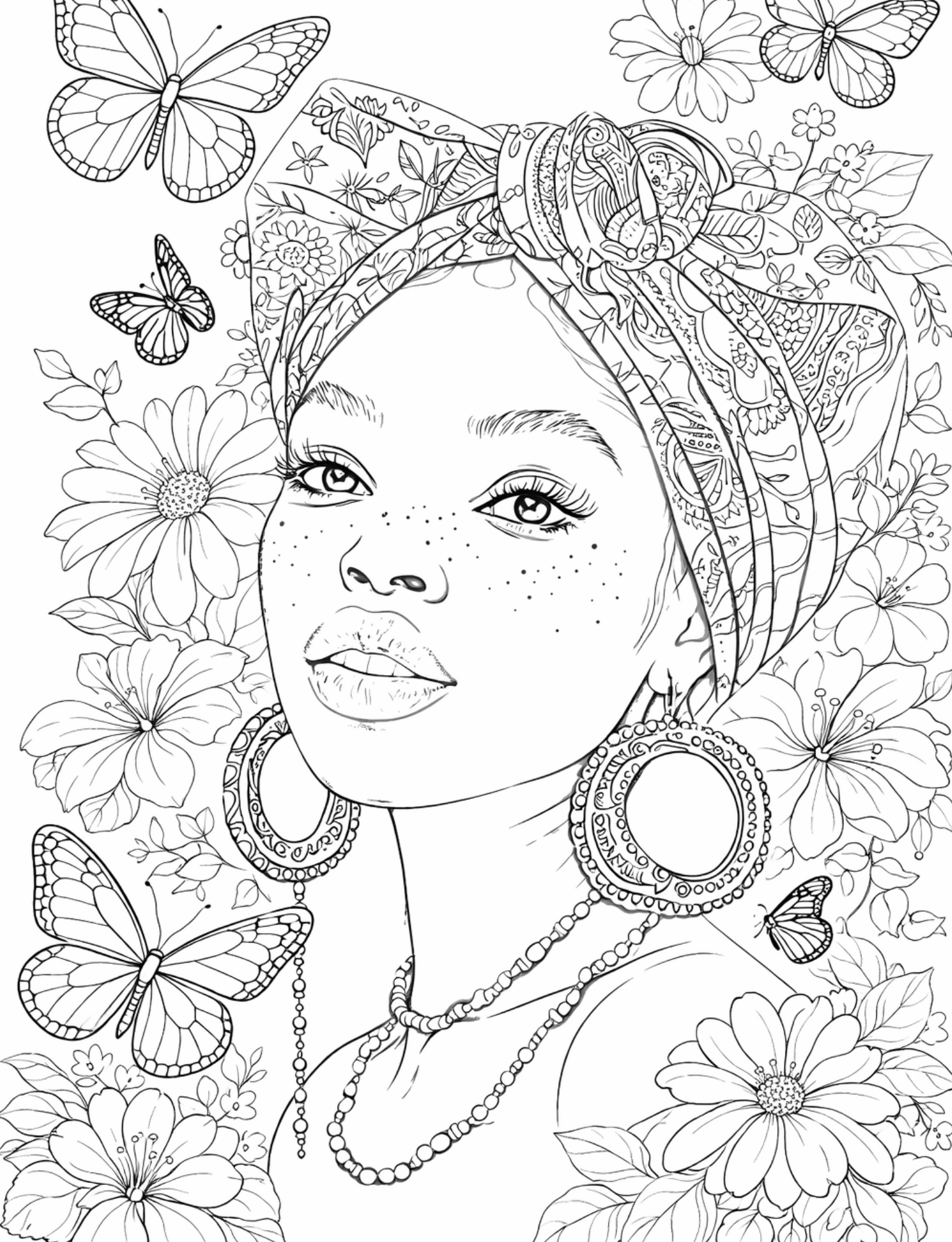
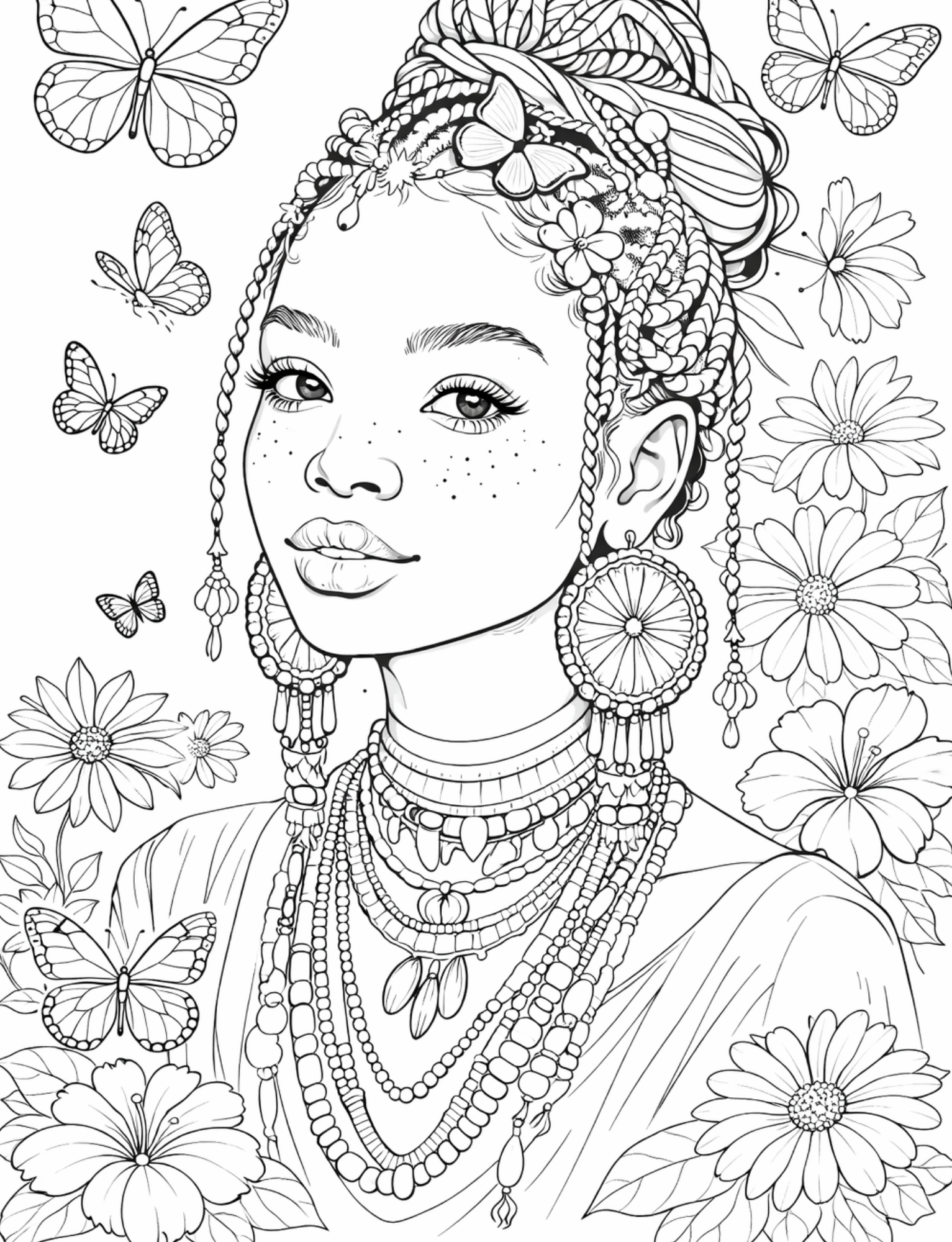
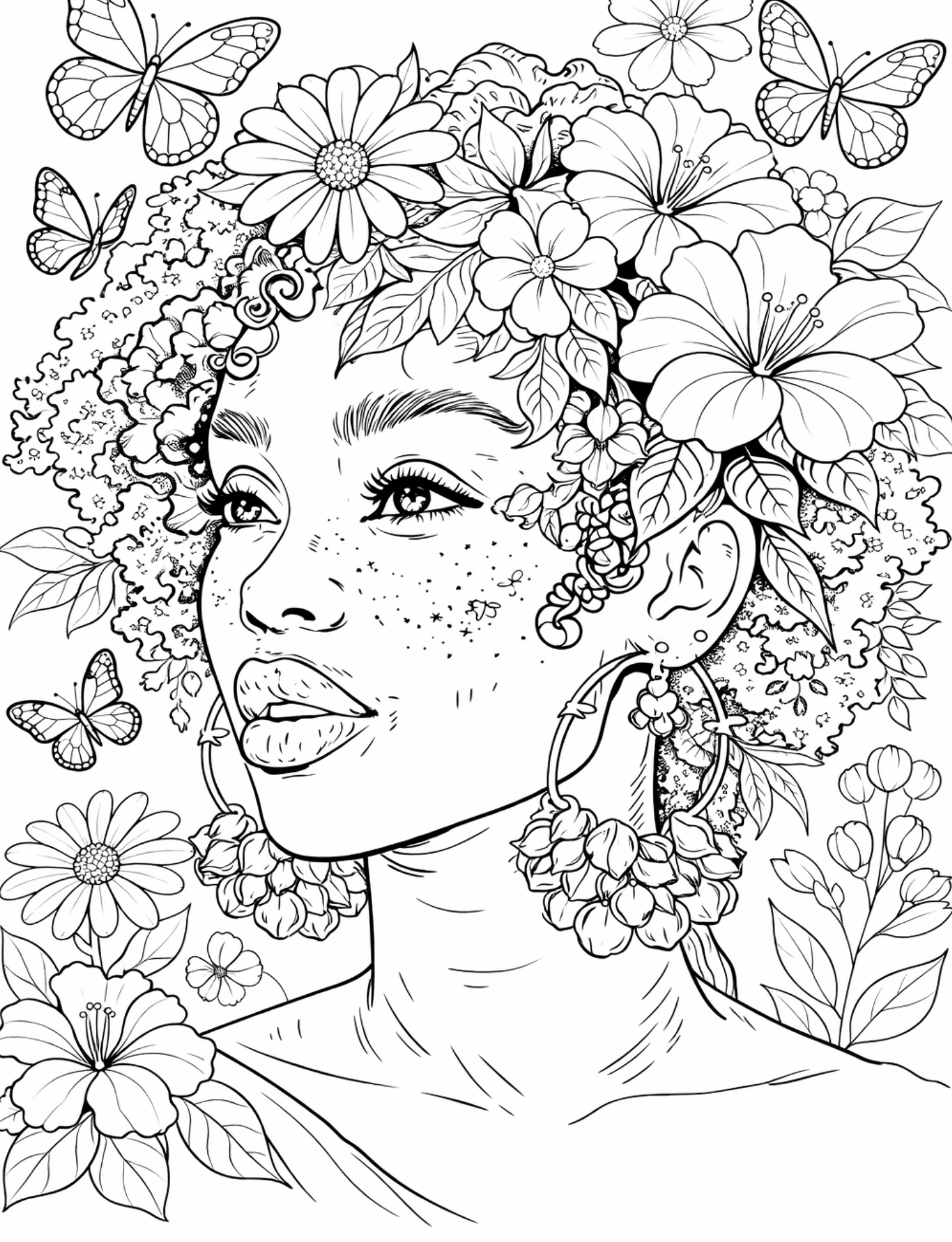
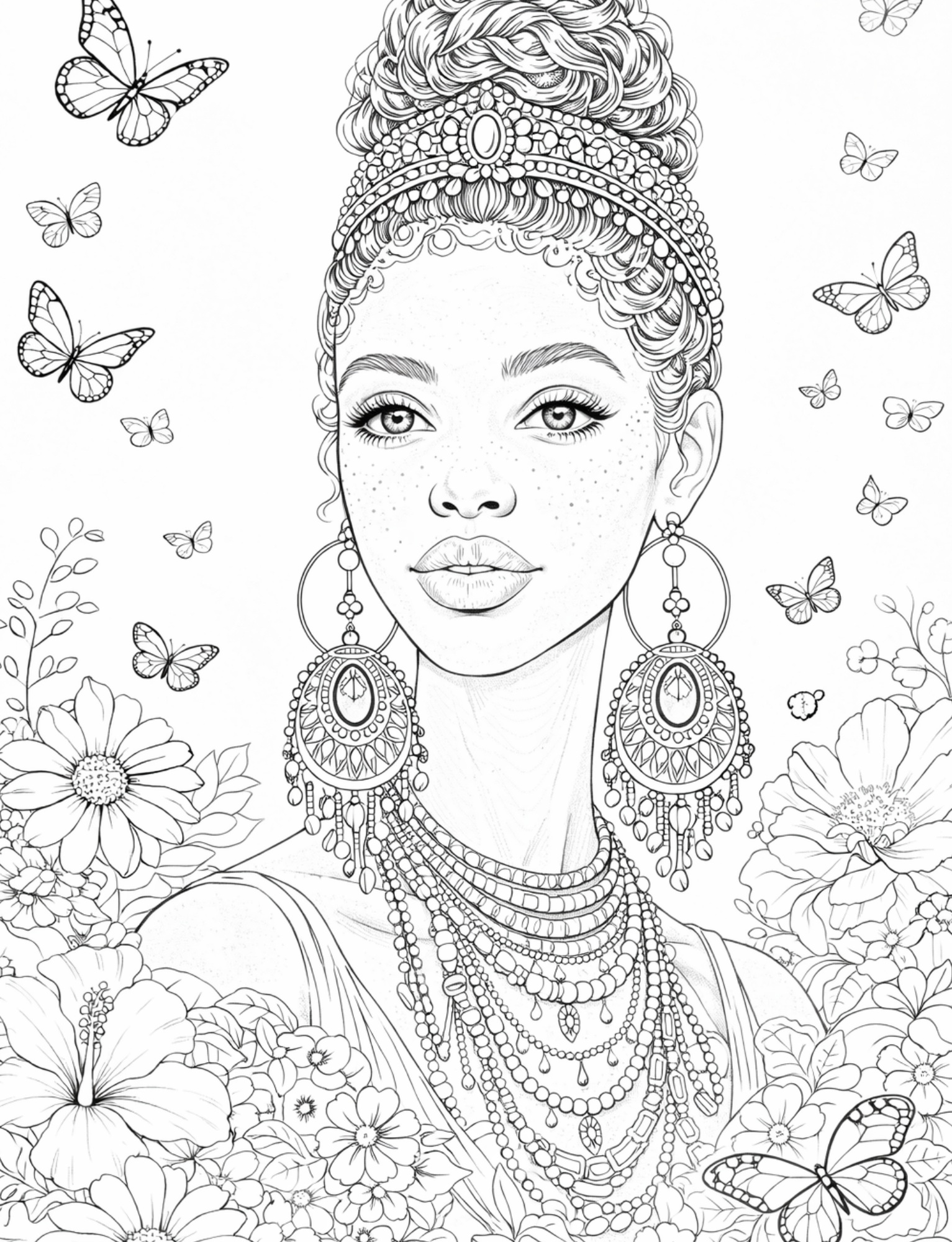
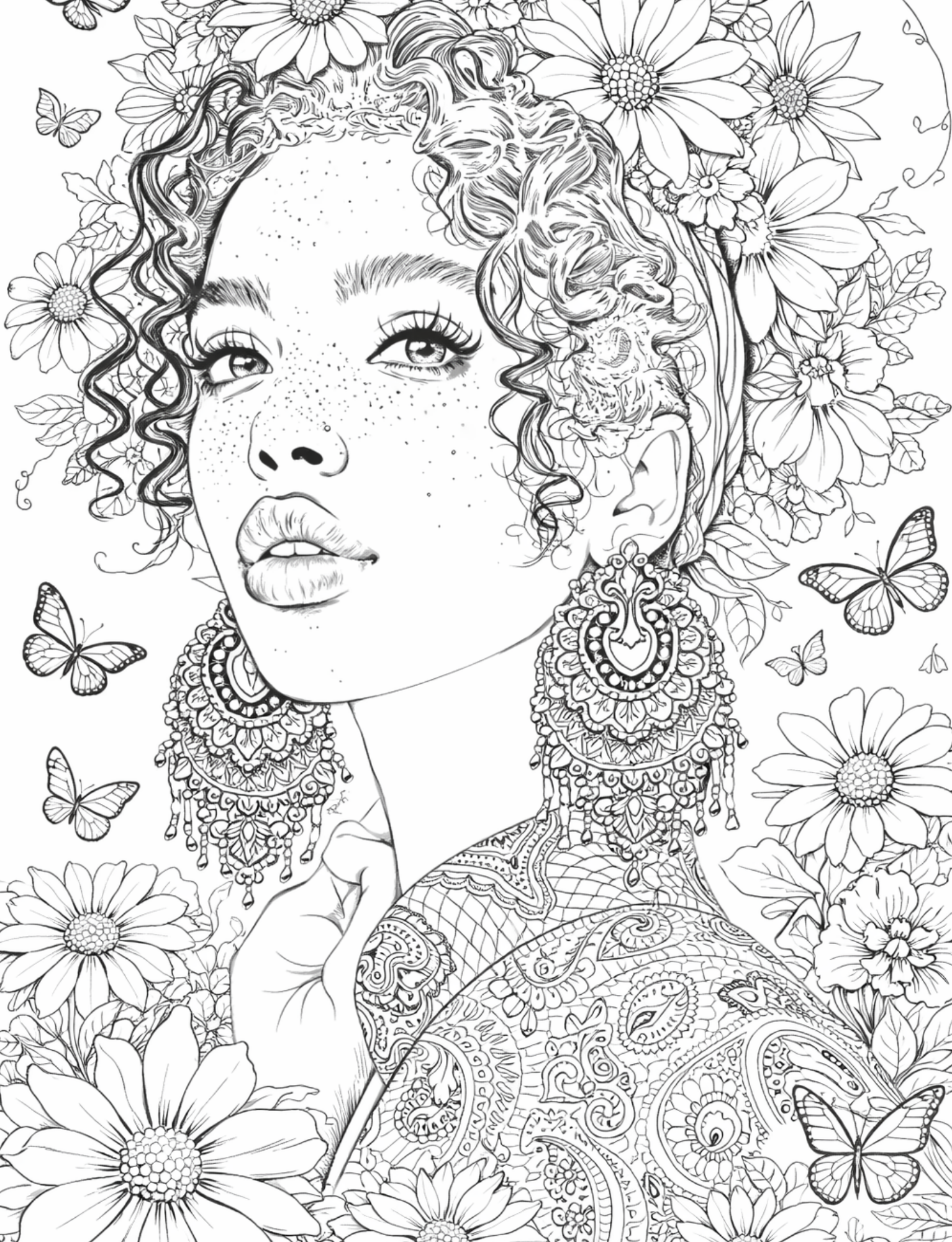
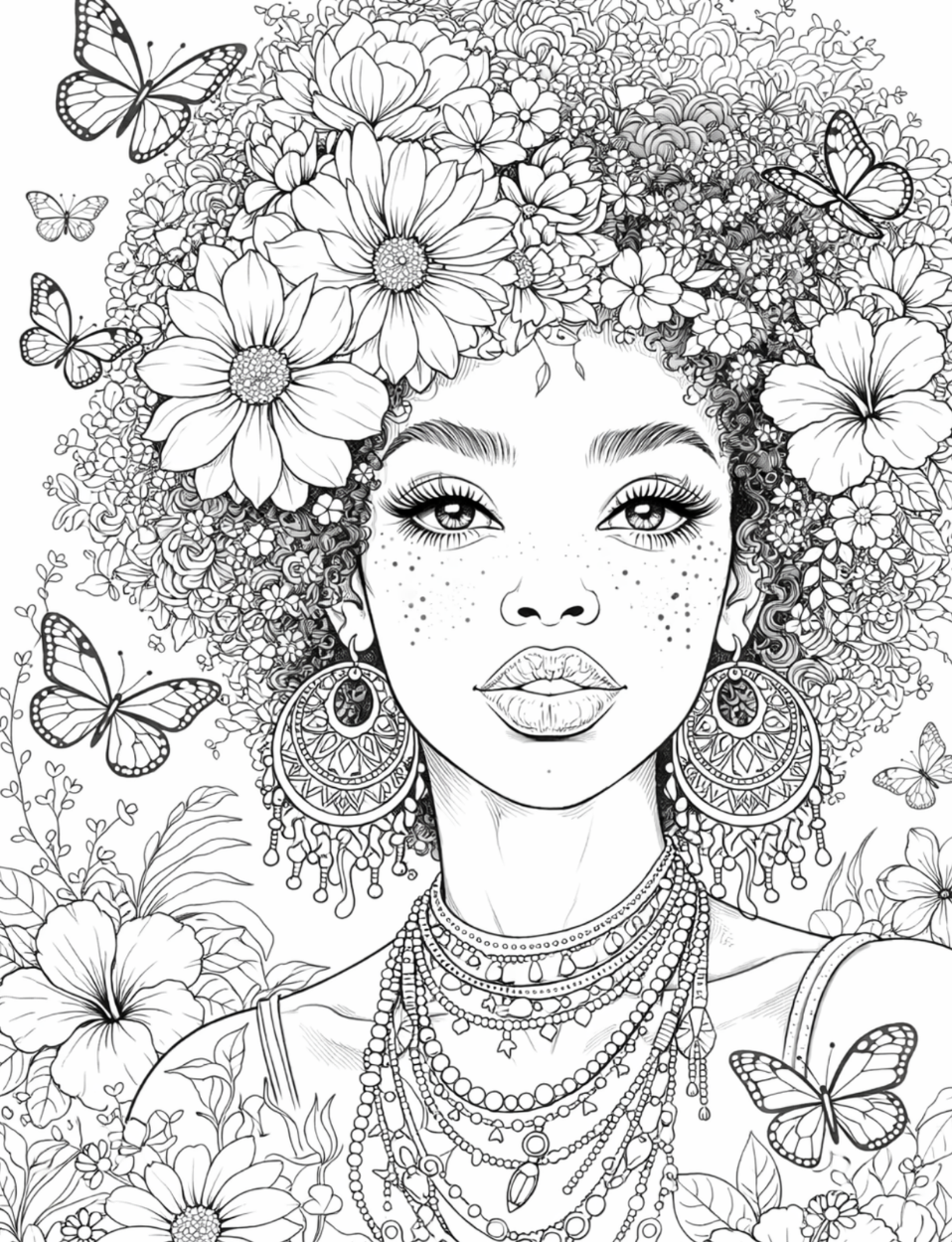
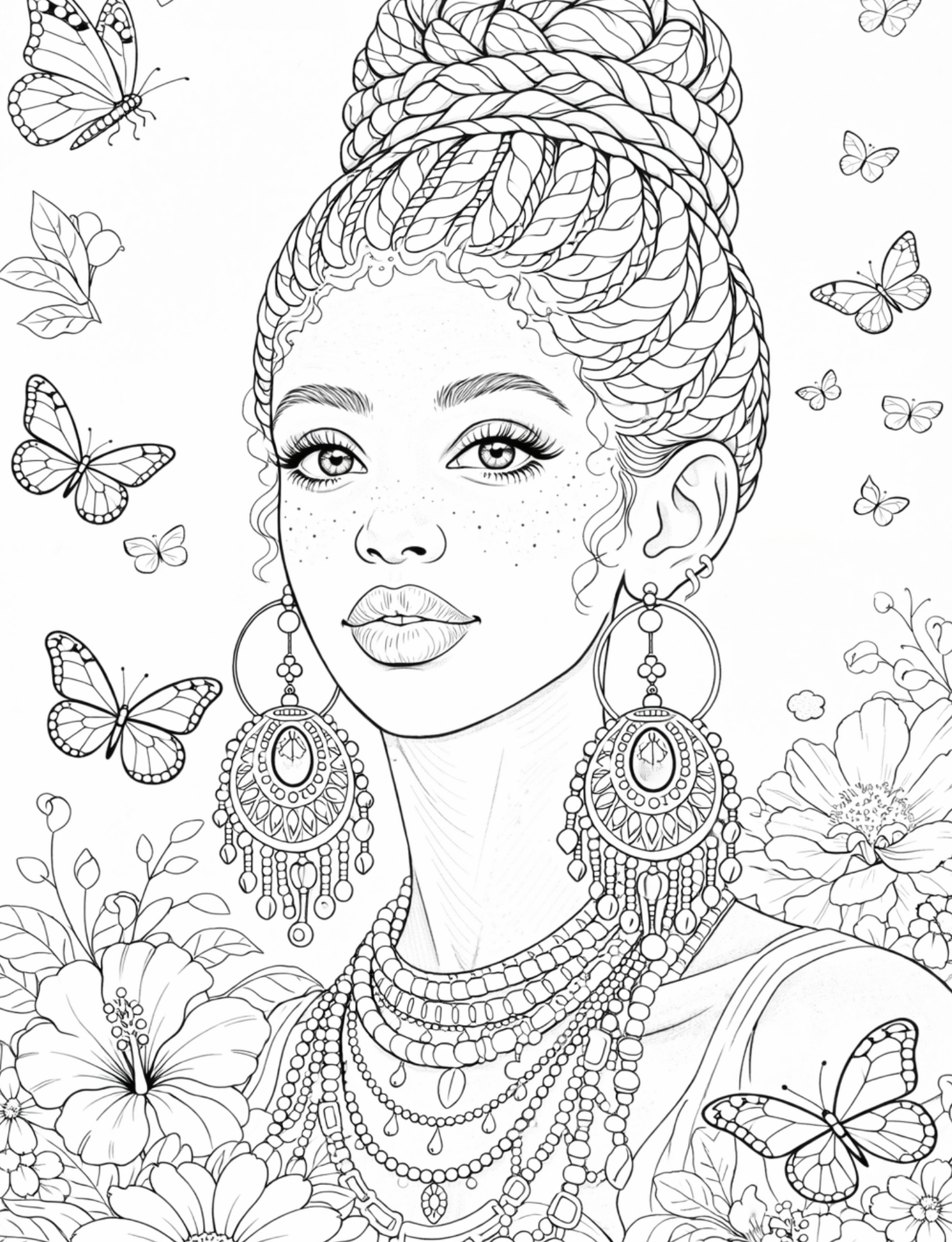
The meaningful portrait subjects in the Butterfly & Beauty series add another therapeutic dimension. Human faces are processed in dedicated neural pathways (the fusiform face area) that may remain more responsive than other cognitive systems in dementia. Coloring a beautiful, recognizable face can trigger emotional responses, spark conversation, and provide a sense of connection that more abstract designs cannot.
Practical Implementation in Memory Care Settings
Memory care facilities have found structured coloring programs most effective when implemented at consistent times — typically after lunch when energy is moderate and sundowning has not yet begun. Having pages pre-printed and supplies pre-organized removes setup barriers that can derail an activity before it starts. Playing familiar music softly during sessions enhances the calming effect and can reduce the need for verbal prompting.
Group coloring sessions have an important social dimension: residents can color independently while sharing a table and occasionally commenting on each other's work. This parallel social engagement is easier for many dementia patients than structured conversation, and provides connection without cognitive demand. The identical portrait designs allow residents to compare their color choices, generating natural, low-stakes conversation.
Research on Creative Activity and Cognitive Health
A growing body of research supports creative activity as a meaningful component of dementia care. Studies published in the American Journal of Geriatric Psychiatry have found that regular engagement in creative arts is associated with reduced behavioral symptoms, improved mood, and reduced caregiver stress in dementia patients. The mechanism appears to involve multiple factors: sensory stimulation, fine motor engagement, and the emotional satisfaction of completing a creative task.
Art therapists working in memory care settings consistently report that visual art activities — including coloring — can reach patients who no longer respond to verbal activities. The pre-verbal, sensory nature of coloring bypasses cognitive barriers and connects directly with emotional and procedural memory systems. For many families and care teams, seeing a dementia patient engage meaningfully with a coloring book represents a significant quality-of-life improvement.
Selecting the Right Pages for Each Patient
Different patients respond to different design characteristics. Some dementia patients are drawn to highly detailed pages that offer extended engagement; others are overwhelmed by complexity and need simpler large-area designs. The Butterfly & Beauty series includes this natural variation across its 33 pages — some pages feature close portrait work with fine details, others open with large background areas and flowing garment sections that are easy to fill confidently.
Caregiver observation is the best guide: if a resident seems frustrated or stops engaging, switch to a page with larger areas. If a resident seems bored or distracted, try a more detailed page that requires closer attention. Having the full 33-page book as a digital download provides the flexibility to select the right page for each patient's state on any given day, rather than being locked into the pages in a single physical book.